

Key Information
Tuna
| Species | 15 species |
| Diet | Carnivore |
| Length | 1.6 ft to 15 ft |
| Weight | 4 to 1,508 lb |
| Classification | Actinopterygii > Scombriformes > Thunnini |
| Conservation Status | Varies, some endangered |
| Habitat | Oceans and Seas |
Learning Point
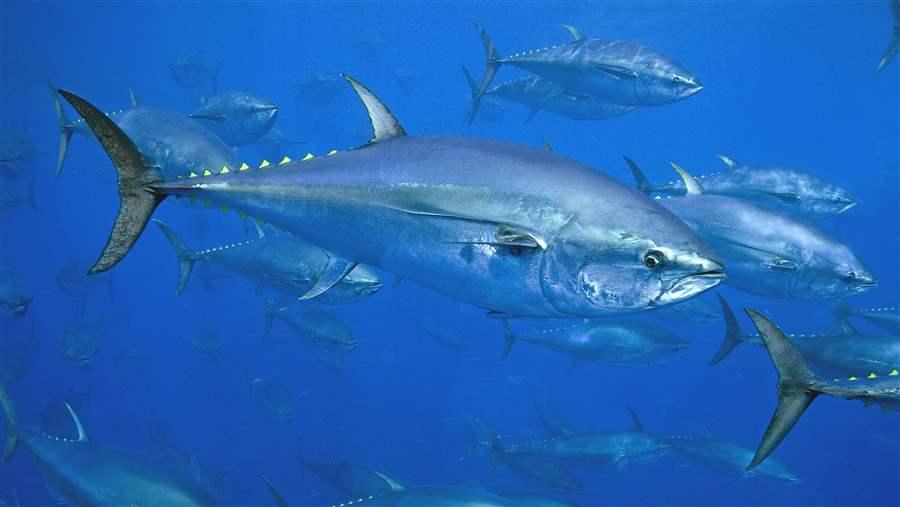
- Tuna are large, predatory fish found in oceans worldwide. Known for their sleek bodies and powerful swimming abilities, tuna are highly prized for their meat, which is used in sushi, sashimi, and other dishes. These fish are incredibly fast swimmers, capable of reaching speeds of up to 45 miles per hour. Tuna play important roles in marine ecosystems, serving as both predators and prey. Overfishing has posed a significant threat to tuna populations, leading to conservation efforts to protect these valuable species.
Project
- Draw a picture of a shoal of tuna.
- Overview
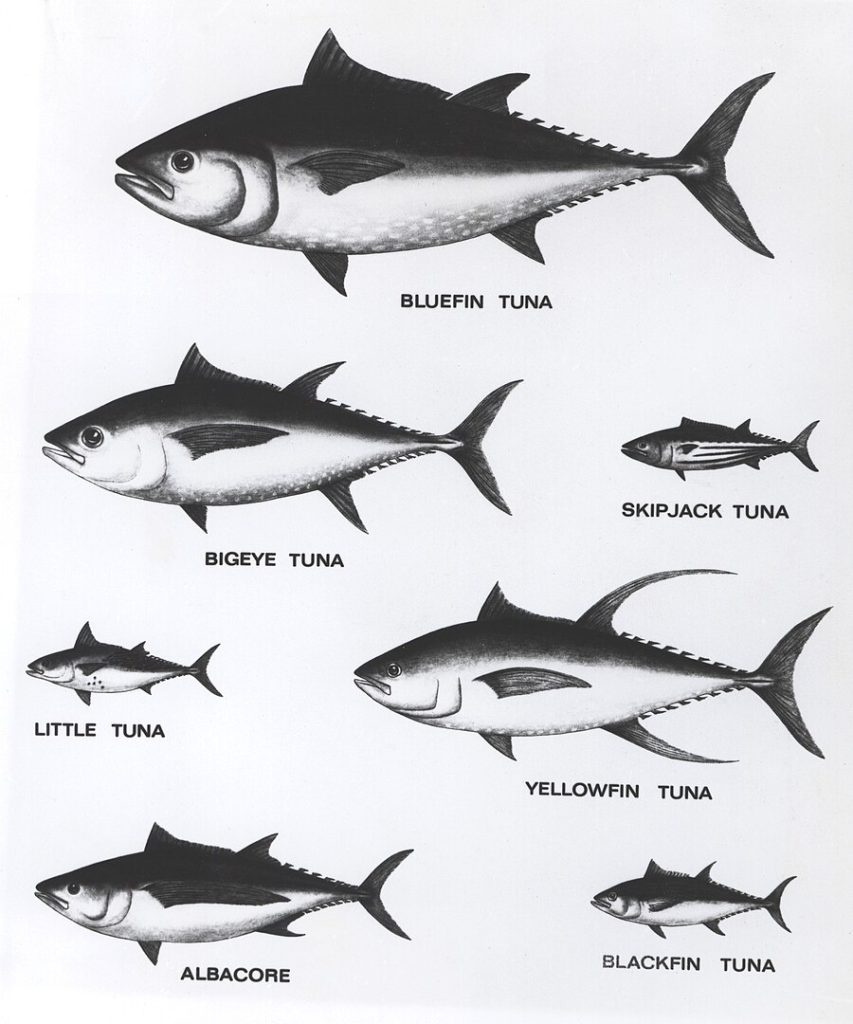
- Comparison
Location

| Places | Oceans (Map shows Atlantic Bluefin Tuna) |
Fun Facts
- Tuna are one of the few warm-blooded fish, meaning they can regulate their body temperature. This helps them swim faster and deeper in colder waters.
- They are voracious eaters, consuming large amounts of smaller fish, squid, and crustaceans. They have a unique digestive system that allows them to process food quickly.
- Some species of tuna undertake long migrations, traveling thousands of miles across oceans. These migrations are essential for finding food and reproducing.
- Overfishing has led to the decline of many tuna populations, with some species now considered endangered.
Past Lessons
| 141 | August 28, 2024 | (North America) |