

Key Information
Shoebills
| Species | 1 species |
| Diet | Carnivore |
| Length | 39 to 55 inches |
| Height | 43 to 55 inches |
| Weigth | 8.8 to 15.4 lb |
| Wingspan | 7 ft 7 inches to 8 ft 6 inches |
| Conservation Status | Vulnerable |
| Classification | Aves > Pelecaniformes > Balaenicipitidae |
| Habitat | Freshwater Swamps |
Learning Point
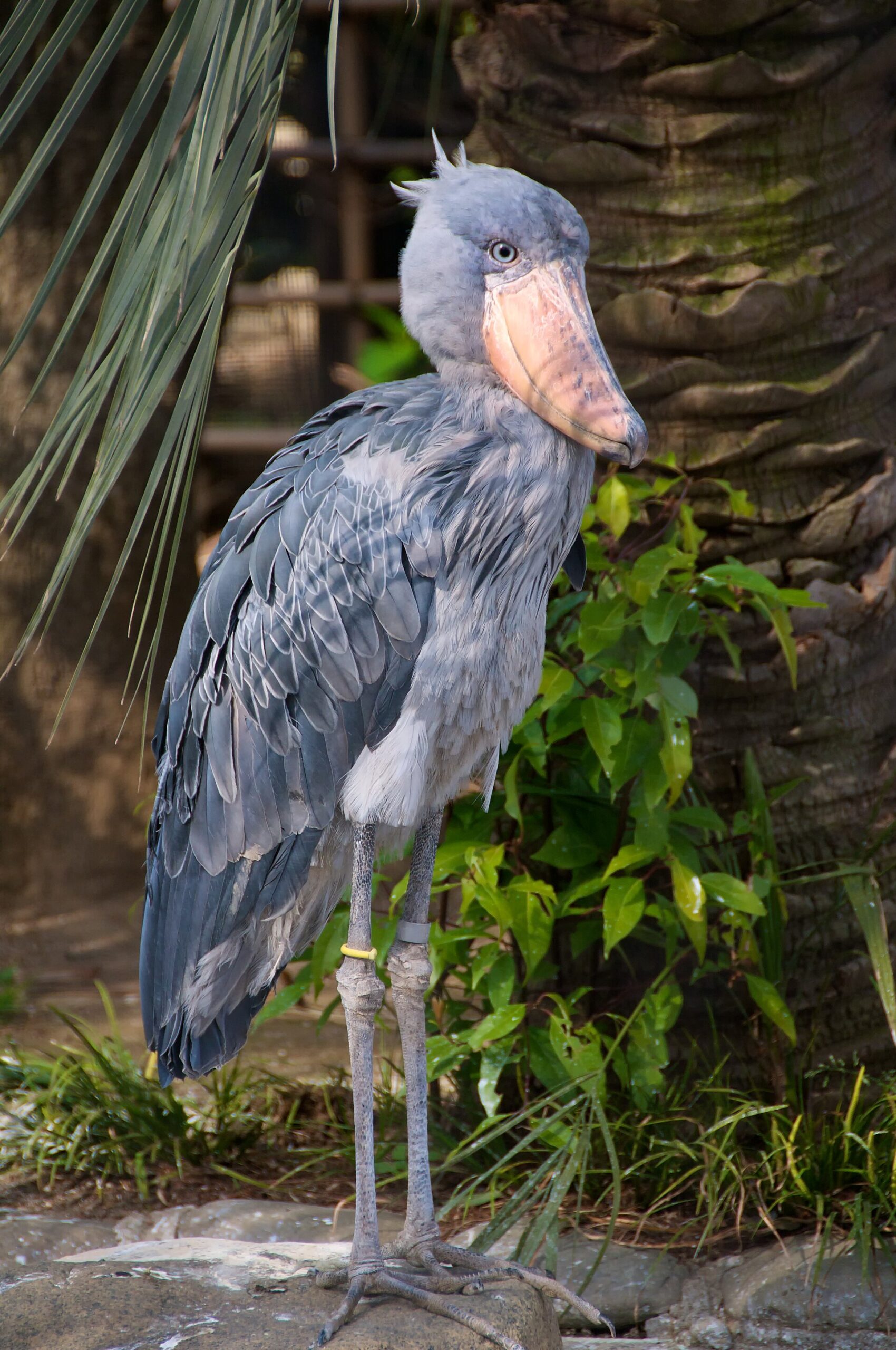
- Shoebiils are striking, prehistoric-looking birds native to the tropical swamps of East Africa, famous for its massive, shoe-shaped bill with a sharp hook used to catch prey. Standing up to five feet tall, these solitary predators are known for their statue-like patience, often standing completely still for long periods before launching a sudden, violent strike to capture fish, frogs, and even baby crocodiles. Although they look like storks, DNA studies show they are actually more like pelicans. Currently listed as vulnerable due to habitat loss, these fascinating birds are true apex predators of the wetlands.
Project
- Draw a picture of a shoebill patiently hunting.
Location
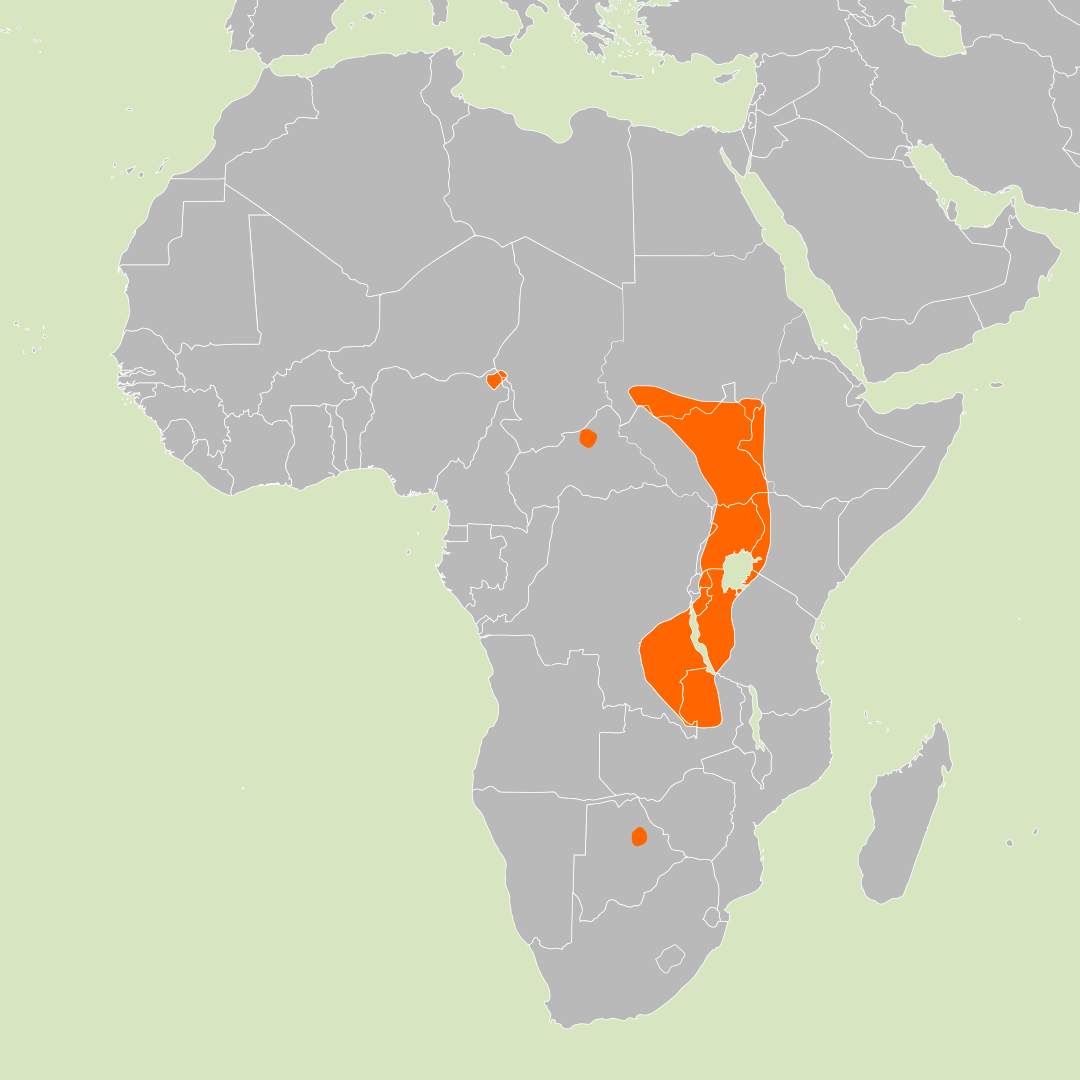

| Places | East Africa |
Fun Facts
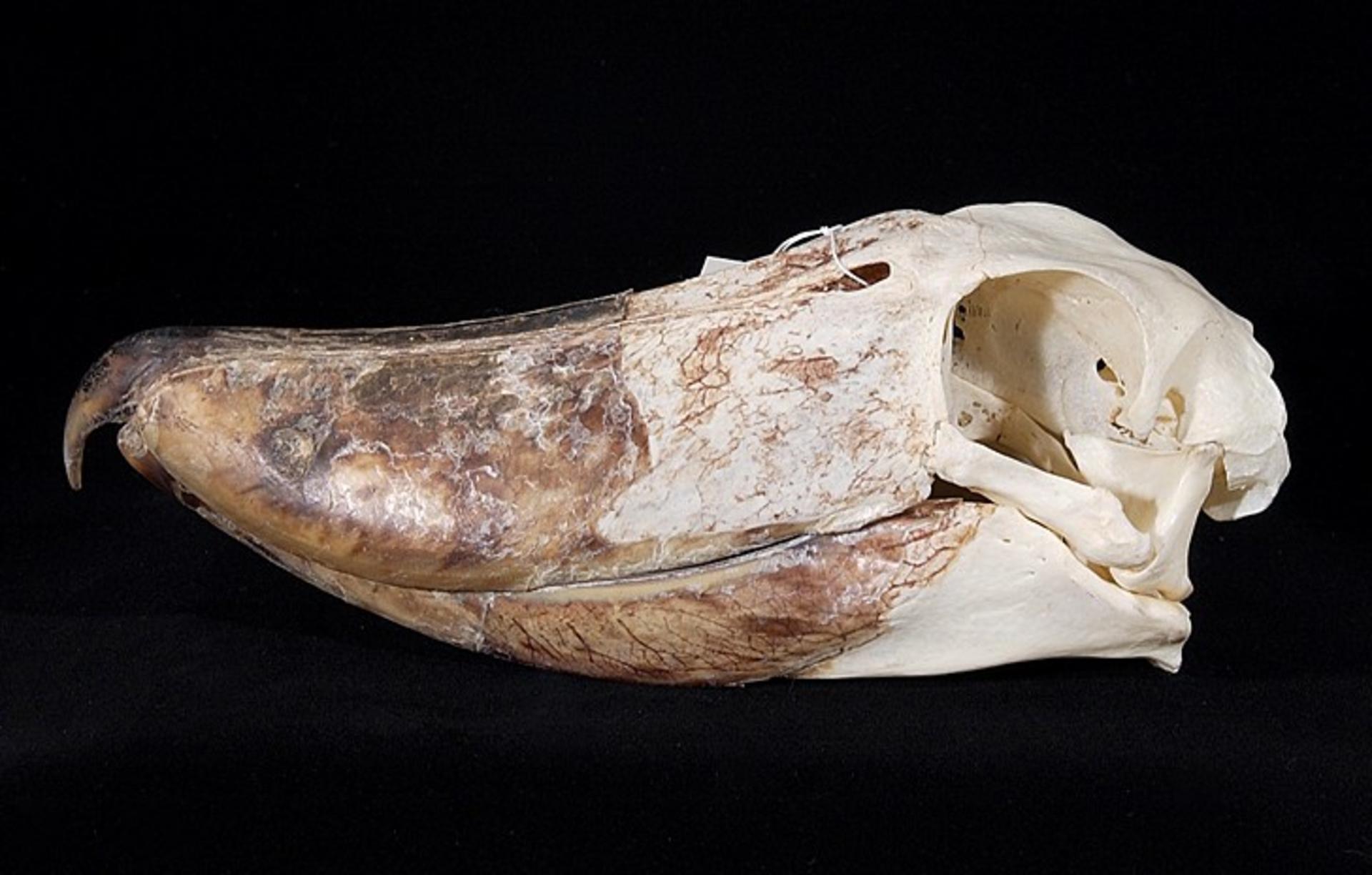
- Their name comes from their massive, bulbous bill that grows up to nine inches long and looks just like a giant wooden Dutch clog!
- Shoebills are famous for standing completely motionless for hours at a time like statues while waiting for fish to swim by.
- On super hot days, parent shoebills use their giant bills like buckets to scoop up water and pour it over their eggs and chicks to cool them down.
- While they are usually very quiet, adults snap their huge bills together to make a loud, rapid-fire clattering sound that sounds just like a machine gun.
- When baby shoebills want attention or food from their parents, they make a squeaking sound that sounds exactly like human hiccups!
Past Lessons
| 216 | September 2, 2026 | (North America) |