

Key Information
Vindolanda
| Type | Roman auxiliary fort |
| Constructed | 85 CE |
| Constructed By | Cohors I Tungrorum led by Julius Verecundus |
| Abandoned | Soon after 370 CE |
| Rediscovered | Possibly around 1586 CE |
Learning Point
- Vindolanda is an ancient Roman frontier fort in northern England where history feels incredibly real. Because it was built on wet, oxygen-free mud, thousands of everyday objects that normally rot away – like leather shoes, keys, and wooden combs – were perfectly preserved. Its most famous treasures are the Vindolanda Tablets: postcard-sized wooden slivers containing the oldest handwritten documents in Britain. These texts reveal personal letters from soldiers complaining about the freezing weather, thanking families for sending extra socks, and even a birthday party invitation. It’s a literal time capsule showing that ancient Romans weren’t so different from us.
Project
- Draw a plan of the fort or a picture of how it looked in Roman times.
- Overview
- Tablets
- Plan / Layout


Location
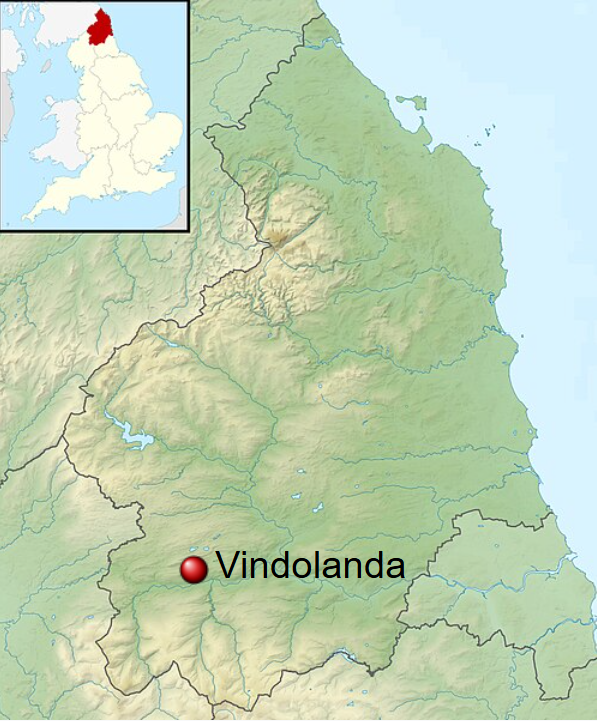
| Location | Bardon Mill, Northumberland, United Kingdom |
Fun Facts
- Because the ground at Vindolanda is extremely wet and muddy, it kept out all the air. This stopped things from rotting, creating a massive, 2,000-year-old underground time capsule!
- One of the wooden letters found at the site was written by a Roman soldier who sent a big “thank you” to his family back home for sending him a package of fresh socks and underpants to stay warm!
- Archaeologists have dug up thousands of real Roman leather shoes from the mud! They found everything from heavy, studded army boots to elegant slippers and tiny shoes made for babies.
- Long before text messages or paper cards, a Roman woman at Vindolanda wrote a birthday party invitation on a thin sliver of wood. It is the oldest known piece of handwriting by a woman in British history!
- Believe it or not, archaeologists even found a completely intact, wooden toilet seat from a Roman bathroom. It is the only wooden one ever discovered from the entire Roman Empire!
- The Roman soldiers stationed at the fort came from warmer places like France and the Netherlands. They absolutely hated the freezing British weather and even invented a funny slang nickname for the local people: Brittunculi, which means “little Britons.”
Past Lessons
| 209 | May 20, 2026 | (North America) |