

Key Information
Pigs
| Species | 1 species |
| Diet | Omnivore |
| Length | 35 to 71 inches |
| Weight | 310 to 660 lb |
| Lifespan | 15 to 20 years |
| Conservation Status | Not Threatened |
| Classification | Mammalia > Artiodactyla > Suidae > Sus |
| Habitat | Domesticated |
Learning Point
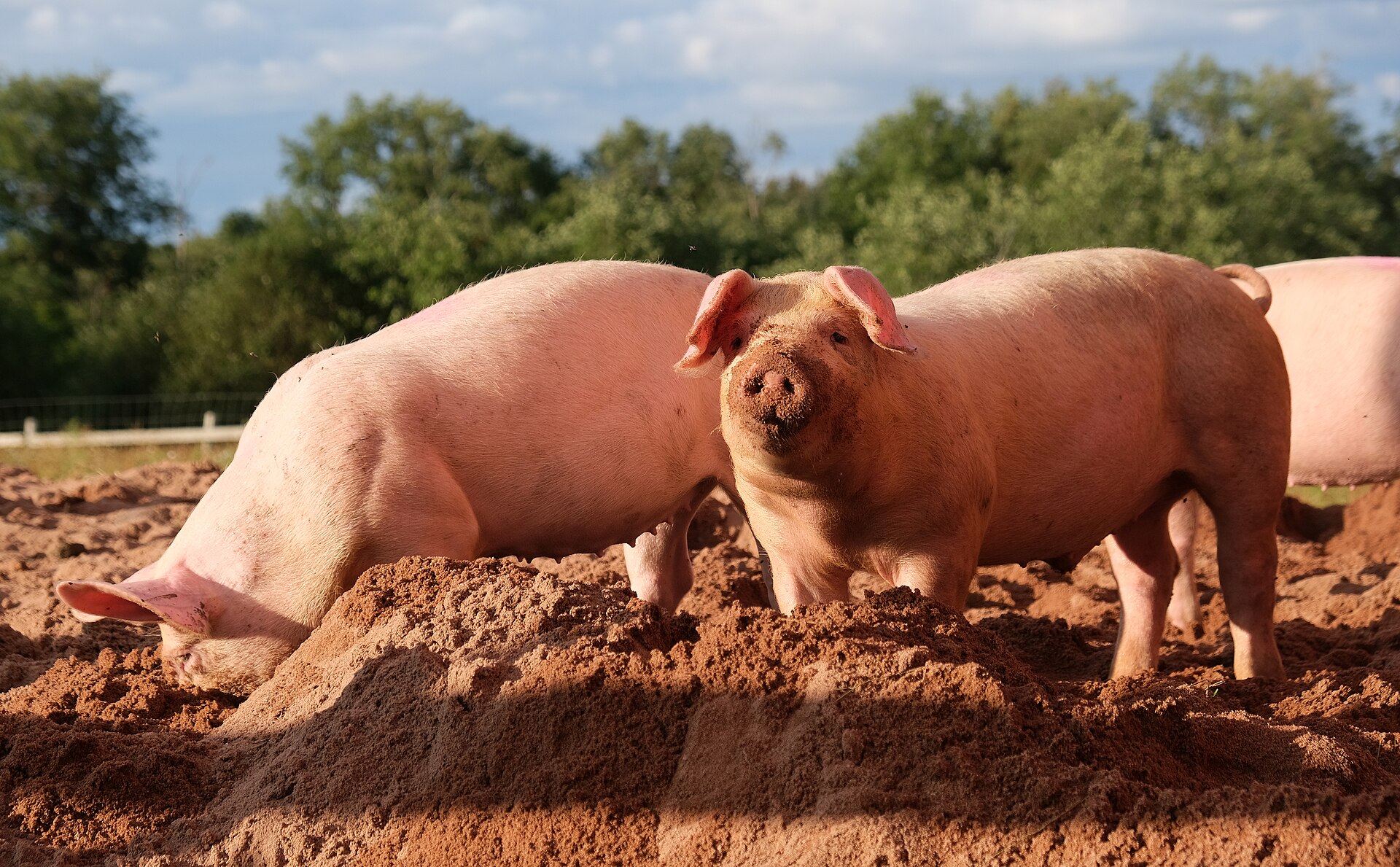
- Pigs are intelligent, highly social mammals that have lived alongside humans since Neolithic times. As adaptable omnivores, they feature unique physical adaptations, such as a sensitive snout reinforced for rooting and digging. Because they lack traditional sweat glands and have small lungs, pigs regulate their body temperature and protect their skin by wallowing in mud and water. Independently domesticated in both the Near East and China thousands of years ago, pigs today play a major role in global agriculture, though escaped populations have also established feral groups that impact ecosystems worldwide.
Project
- Draw your favourite breed of pig.
- Overview
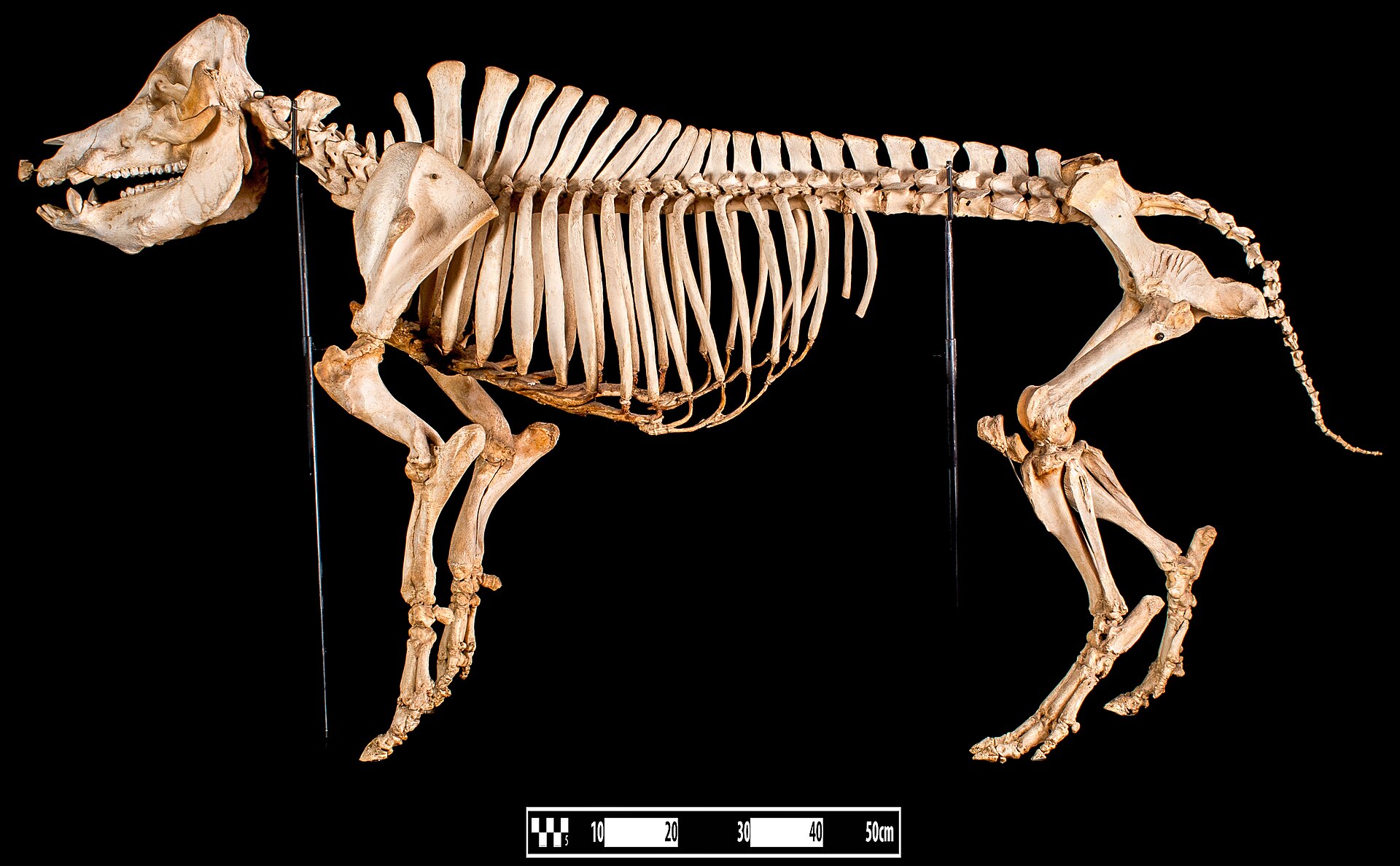
- X-Ray
Location

| Locations | Worldwide |
Fun Facts
- A pig’s snout is its most important tool, featuring a tough cartilage disk at the tip that is exceptionally sensitive and strong for digging up food.
- Because pigs have very few sweat glands and cannot cool down by panting easily, they love to roll around in mud to protect their skin from sunburn and cool off.
- Before giving birth, mother pigs show amazing engineering skills by rooting out a cozy home and building an elaborate nest out of twigs, leaves, and branches to keep their piglets safe.
- Domestic pigs belong to the mammalian family Suidae, making them close relatives of wild boars, warthogs, and giant forest hogs.
- Pigs share a special biological superpower with creatures like mongooses and hedgehogs, having adaptations that protect their cells against certain types of snake venom.
Past Lessons
| 219 | September 23, 2026 | (North America) |