

Key Information
Nile River
| Type | River |
| Discharge Volume | 97,362 cubic feet a second |
| Source | Rukarara River, Rwanda |
| Length | 4,404 miles |
Learning Point
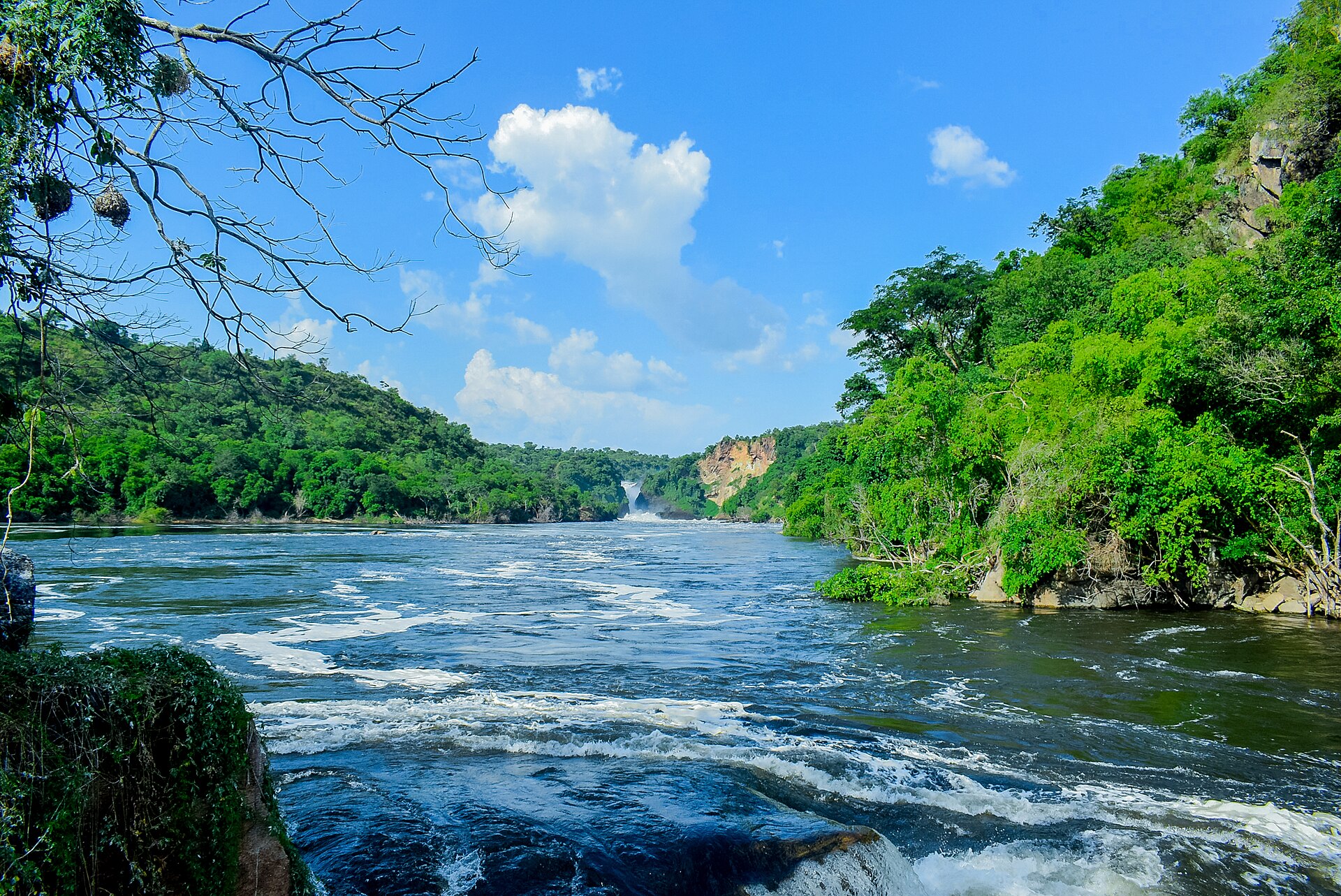
- The Nile River is traditionally celebrated as the longest river in the world, stretching over 4,100 miles through northeastern Africa and flowing northward into the Mediterranean Sea. Formed by the joining of the White Nile and the Blue Nile in Sudan, this legendary waterway spans eleven countries. For millennia, it served as the life-giving cradle of Ancient Egypt, where predictable annual floods deposited rich soil that turned harsh desert into fertile farmland. Today, the Nile remains a vital lifeline for hundreds of millions of people, supporting diverse ecosystems, modern agriculture, and crucial hydroelectric energy across Africa.
Project
- Draw a picture of the Nile in Bible times, with the Egyptians in their boats.
- Overview
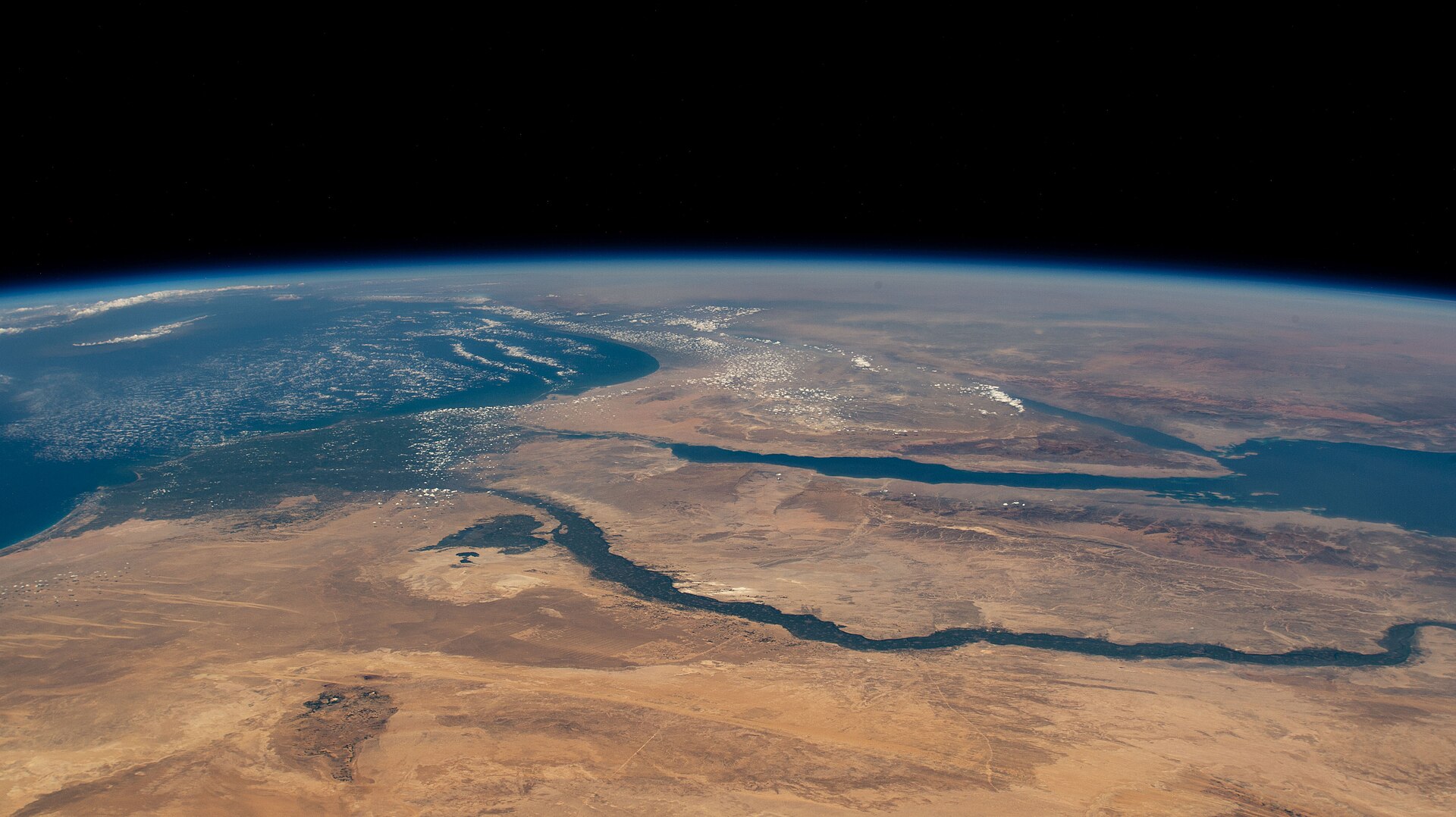
- From Space
Location
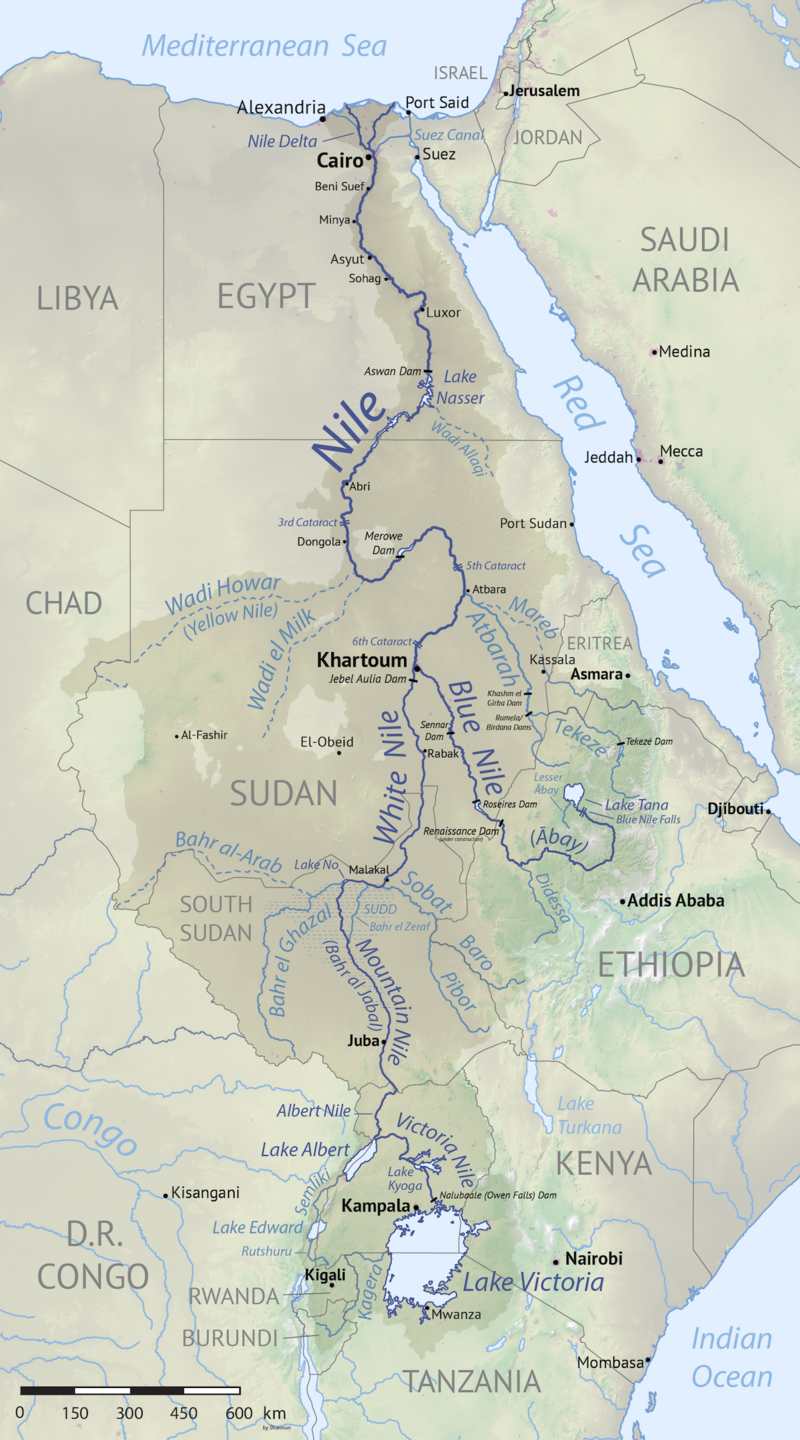
| Location | Burundi, DR Congo, Egypt, Eritrea, Ethiopia, Kenya, Rwanda, South Sudan, Sudan, Tanzania, Uganda |
Fun Facts
- Most rivers flow downhill toward the south, but the Nile is famous for flowing northward all the way from central Africa into the Mediterranean Sea!
- The Nile’s massive watershed runs through 11 different countries, including Uganda, Sudan, Ethiopia, Rwanda, and Egypt!
- Thousands of years ago, Ancient Egyptians used the Nile as a natural highway. Boats could sail north using the river’s current and sail south using the strong desert winds blowing the other way.
- The warm waters and muddy banks of the Nile are home to some incredible animals, including massive Nile crocodiles and heavy hippopotamuses.
- Because Egypt is mostly dry desert, ancient people called the Nile “the gift of the river” because its yearly floods left behind dark, rich soil that magically turned sand into green farmland.
Past Lessons
| 10 | January 10, 2022 | (North America) |
| 73 | July 3, 2023 | (North America) |
| 214 | September 14, 2026 | (North America) |