

Key Information
Ngorongoro Crater
| Type | Volcanic Crater |
| Area | 100 square miles |
| Lowest Point | 2,000 ft deep |
| Discovered | 1892 |
| Age | About 2 million years |
Learning Point
- The Ngorongoro Crater is the world’s largest inactive volcanic caldera. It hasn’t been filled in, and it is largely untouched by any other process on Earth. It likely formed two to three million years ago, and covers over a 100 square miles. Though the original volcano is long gone, it likely stood to over 15,000 ft.
Project
- Draw the crater with some of the animals that can be found in it.
- Overview
- Map
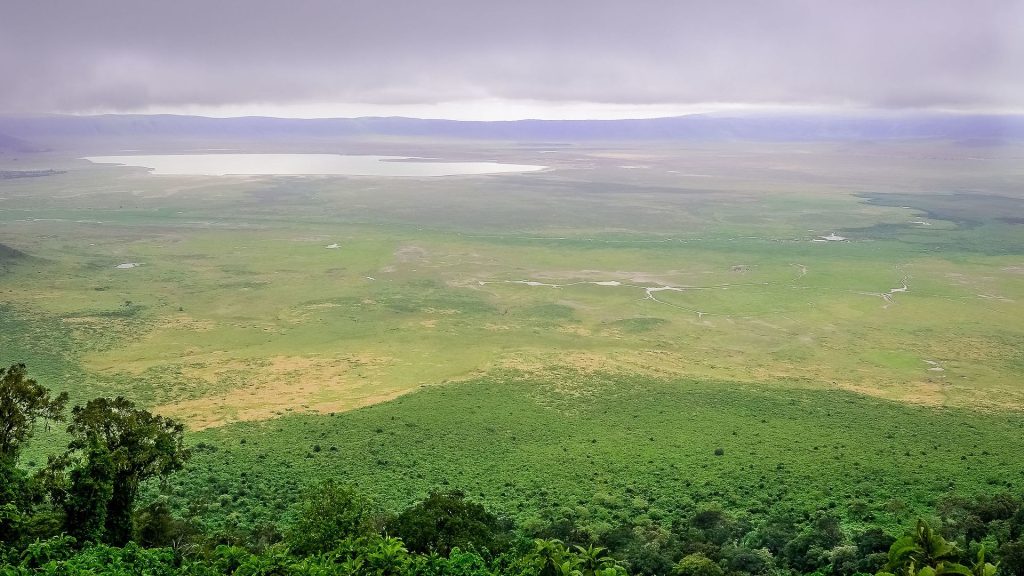

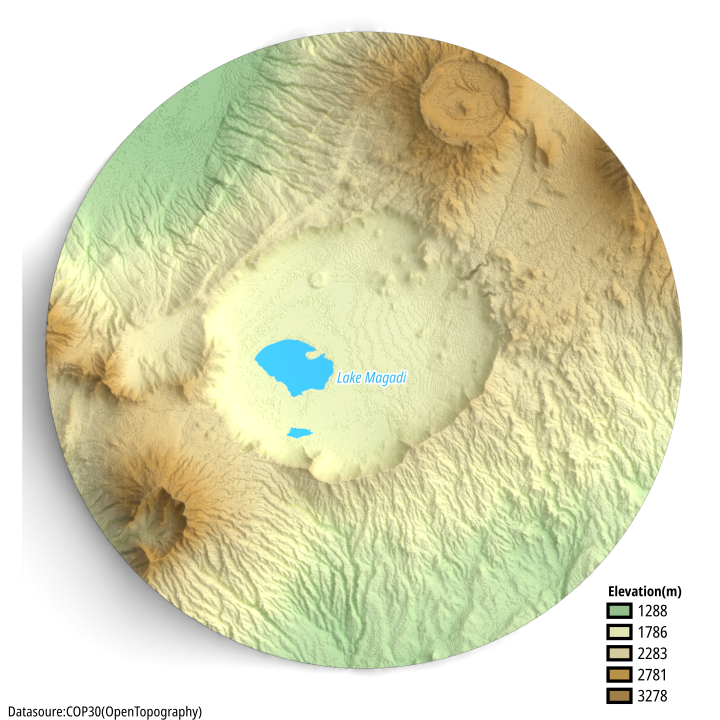

Location
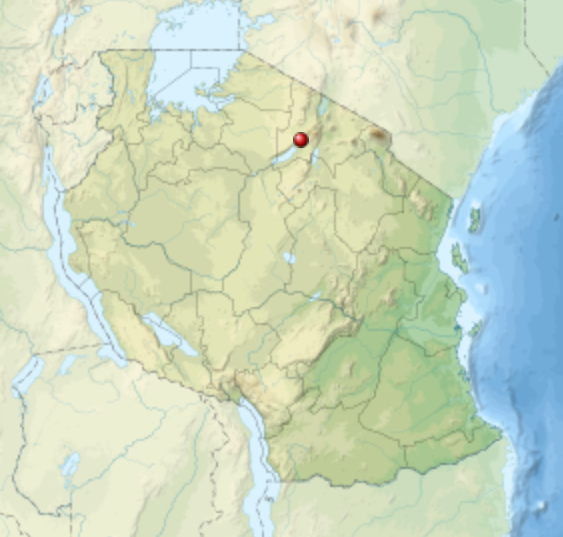
| Located in | Ngorongoro District, Arusha Region, Tanzania |
Fun Facts
- The crater is one of three in the same range of volcanic mountains.
- It is the only national park in Tanzania where humans and animals are able to live and work together.
- A big variety of animals live in the crater, including herds of wildebeest and lions.
- The crater includes Lake Magadi which is an alkaline lake.
- The name Ngorongoro comes from the sound of the cowbell used by the Maasi – ngoro ngoro.
Past Lessons
| 105 | March 18, 2024 | (North America) |