

Key Information
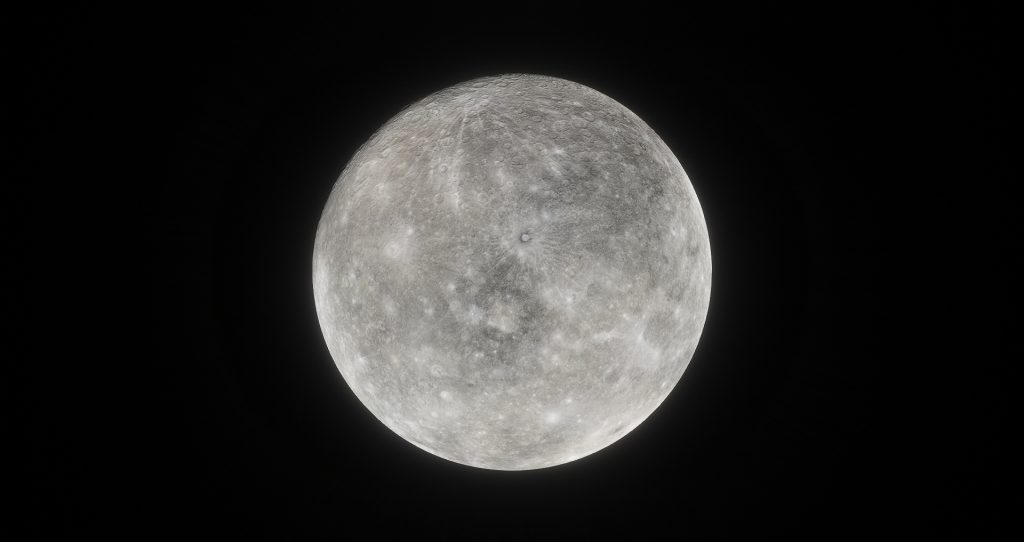
Mercury
| Type | Planet |
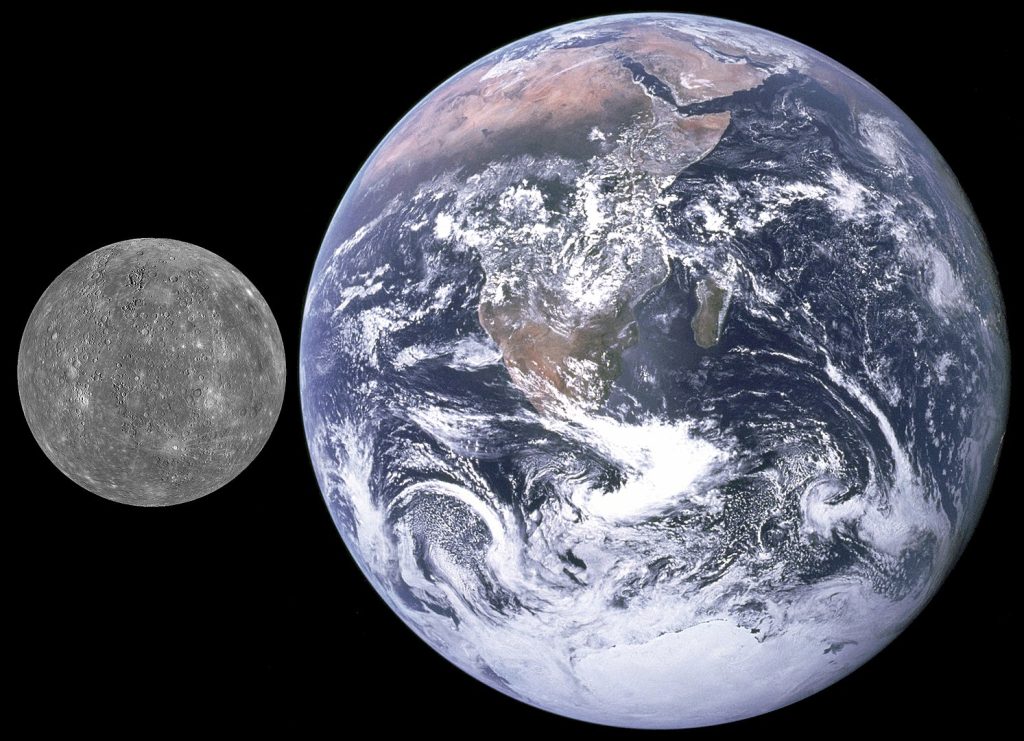
| Diameter | 3,032 miles |
| Distance from the Sun | 35,983,125 miles |
| Orbit Time | 87.909 days |
| Length of Day | 58.646 days |
| Temperature | -292 °F (night) to 806 °F (day) |
| Atmosphere | Thin, mostly oxygen (O2), sodium (Na), hydrogen (H2), helium (He), and potassium (K) |
| Date of Discovery | Unknown |
Learning Point
- Mercury has a large iron core that makes the planet very heavy. It is a larger percentage of the planet than the other planets.
Project
- Identify the missions sent to Mercury and what they were investigating.
- Overview
- Comparison
Media


Location
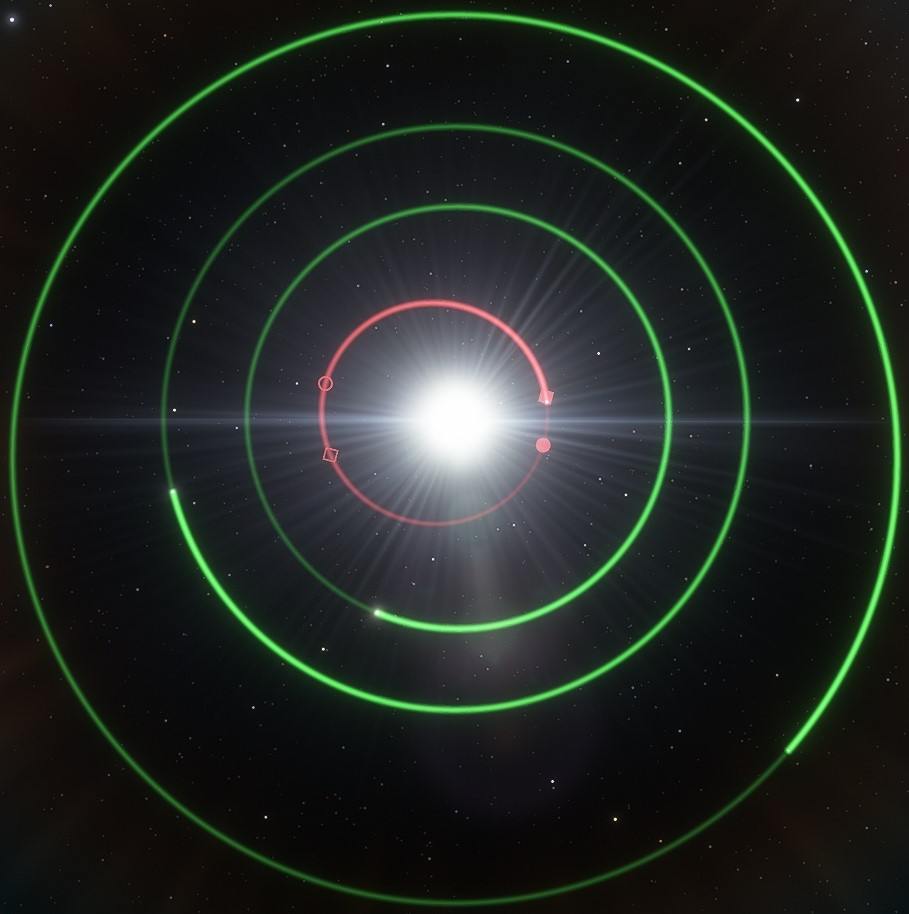
| Located in | Solar System, orbiting the Sun |
Fun Facts
- Mercury’s name comes from the Roman god who was described as a winged messenger. The Babylonians called it Nabu, who was also said to be a messenger.
- Mercury moves at over 29 miles per second as it speeds through space.
- Mercury is both the Evening Star and the Morning Star (Venus can also be called this) as it sometimes appears just before the sun rises during the morning, or just as the sun sets in the evening.
Past Lessons
| 8 | April 25, 2022 | (North America) |
| 94 | June 10, 2024 | (North America) |