

Key Information
Lake Tanganyika
| Type | Freshwater Lake |
| Area | 12,700 square miles |
| Depth | 4,820 ft (Max), 1,870 ft (Average) |
| Length | 418 miles |
| Width | 45 miles |
| Discovered | 1858 (Richard Burton and John Speke) |
| Age | 9 to 12 millions years ago |
Learning Point
- Lake Tanganyika is the second biggest, deepest and largest (by volume) freshwater lake, and is the longest freshwater lake in the world. It sits in the East African Rift, a large valley that cuts through the eastern half of Africa, creating many large freshwater lakes, called the African Great Lakes. It is home to many unique creatures, and is a fascinating source of food and scientific research.
Project
- Draw a picture of the lake on a map of Africa.
- Overview
- Map
- Stanley’s Route


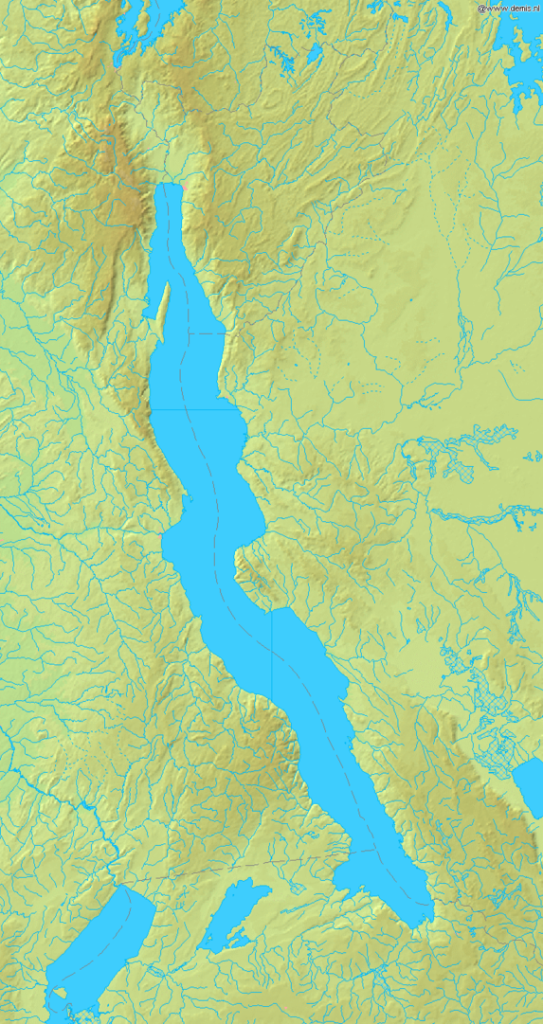
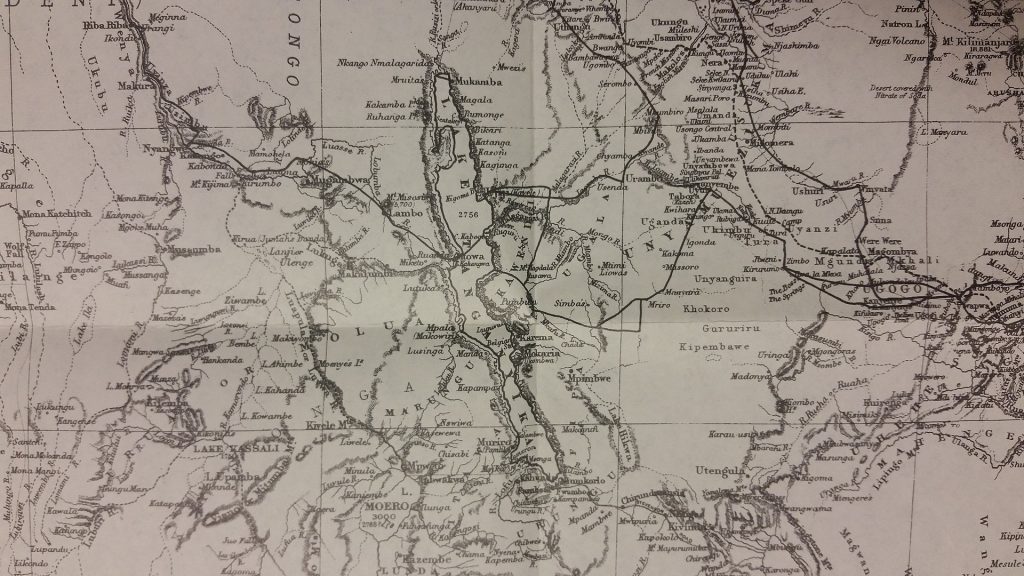

Location

| Located in | Tanzania, the Democratic Republic of the Congo (DRC), Burundi, and Zambia |
Fun Facts
- It holds 16% of the world’s freshwater, and collects water from 89,000 square miles of land.
- More than 90% of the water in the lake comes from rain water falling on its surface, and it loses 90% of its water through evaporation.
- It is a very old lake, and some of the water is old enough that it could be thousands of years old, and in areas contains almost no oxygen.
- Throughout it’s history, the river has changed repeatedly, at times being several smaller lakes that merged into one.
Past Lessons
| 106 | March 25, 2024 | (North America) |