

Key Information
Kites
| Species | 23 (or 25) species |
| Diet | Carnivore |
| Length | 8 to 28 inches |
| Weight | 3.5 oz to 2.9 lb |
| Wingspan | 20 to 77 inches |
| Lifespan | 4 to 25 years |
| Conservation Status | Varies, some endangered |
| Classification | Aves > Accipitriformes > Accipitridae |
| Habitat | Wetlands and Woodlands, sometimes farmland and urban (city) areas |
Learning Point
- Kites are medium-sized birds of prey, easily recognized by their graceful, soaring flight and distinctive forked or angular tails used for steering. Found worldwide, these adaptable raptors are opportunistic feeders. While they hunt small animals like rodents and insects, many species, such as the Black Kite, are excellent scavengers, often seen circling or snatching carrion from the ground. Their elegant flight style, which allows some species to hover effortlessly, sets them apart from other birds of prey.
Project
- Draw a picture of a kite hunting.
- Overview
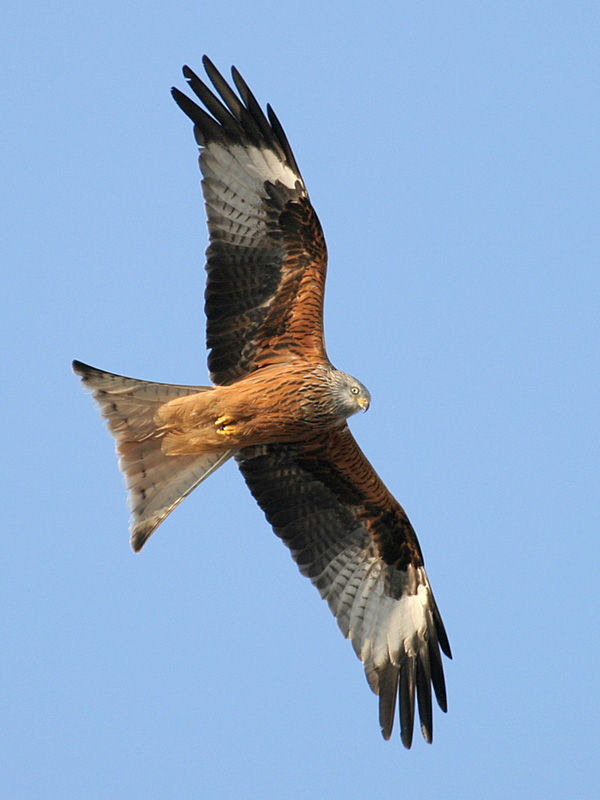
Red Kite
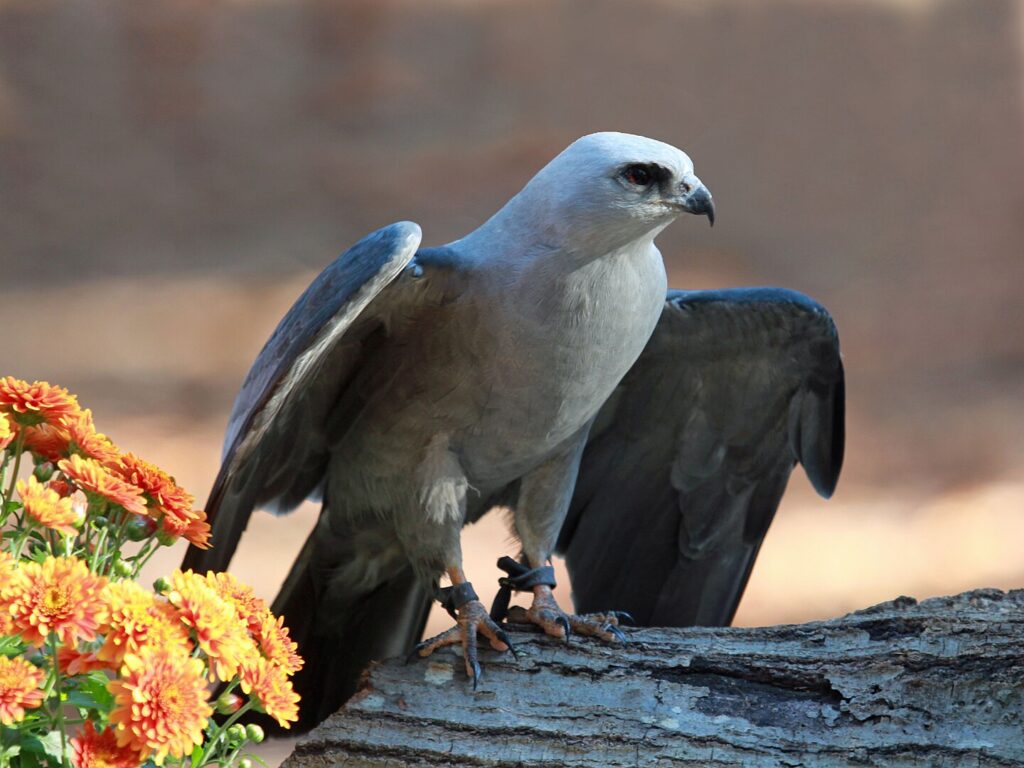
Mississippi Kite
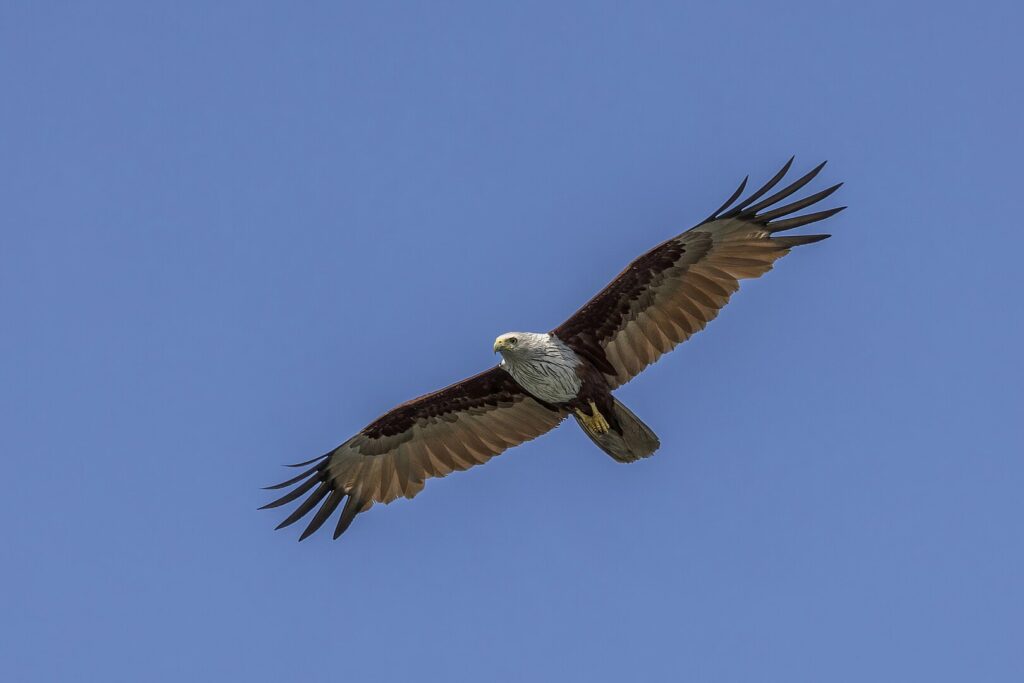
Brahminy Kite
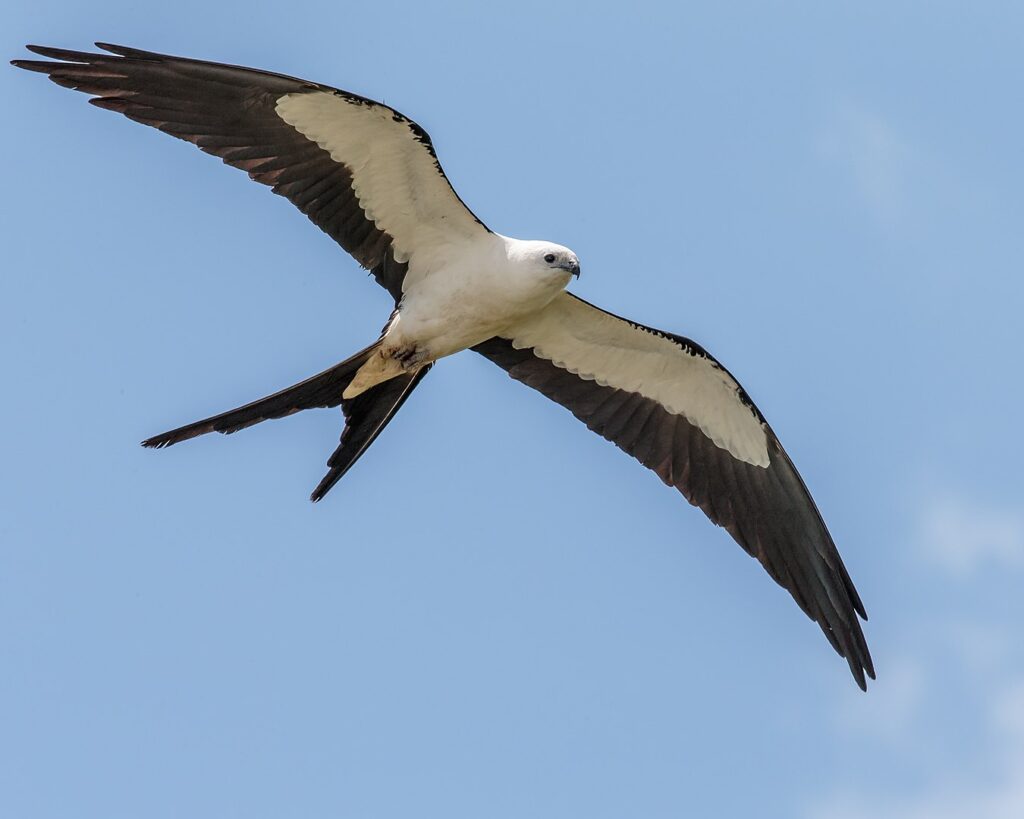
Snail Kite

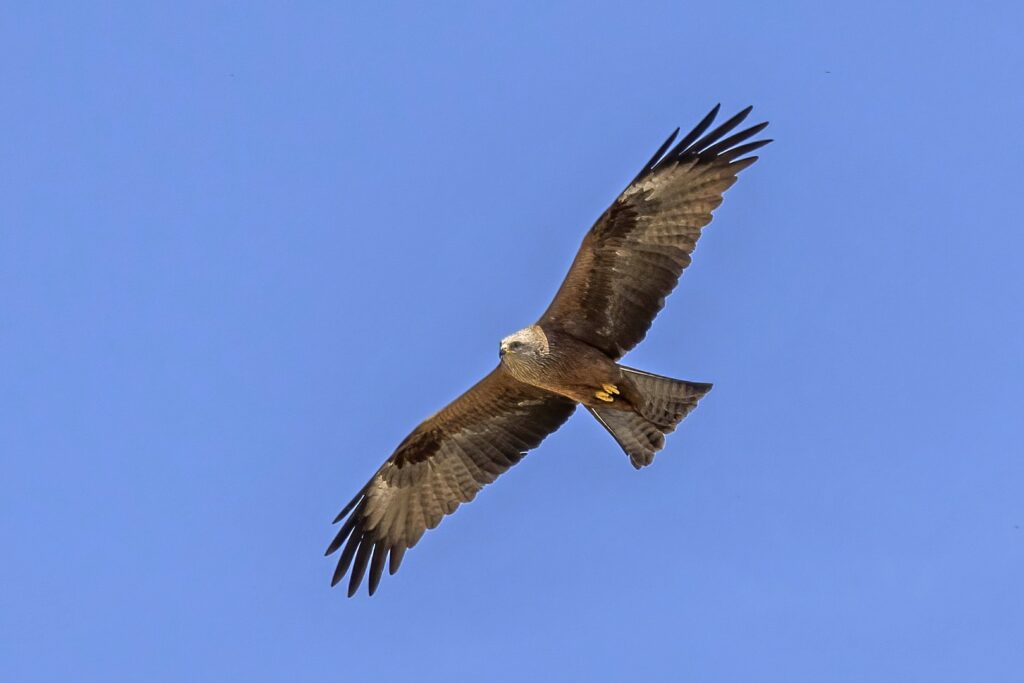
Black Kite
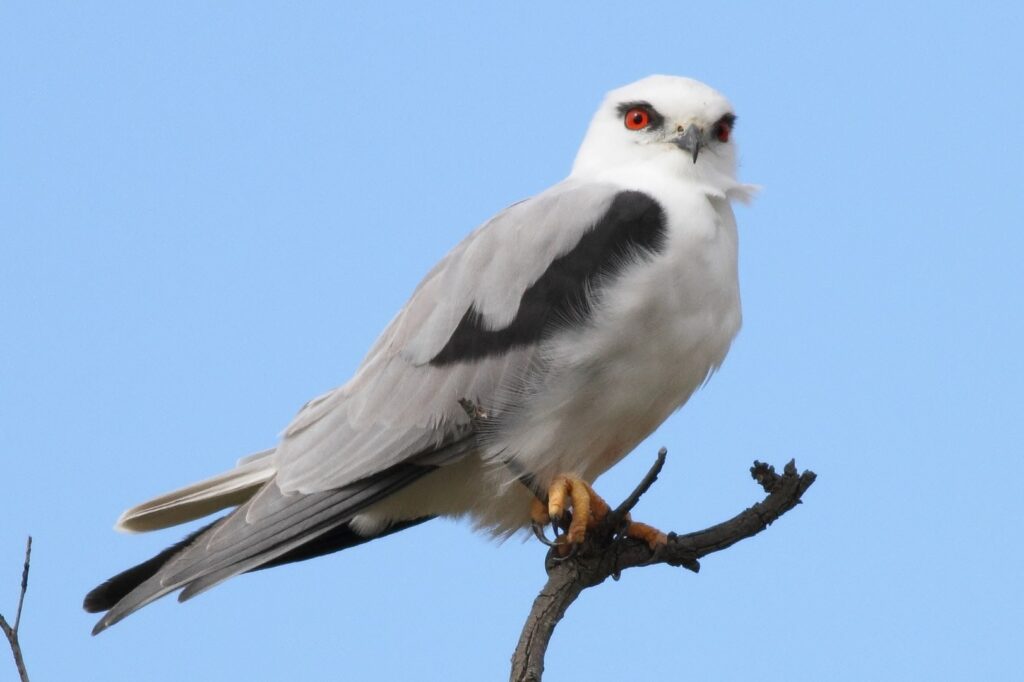
Black-shouldered Kite
Location
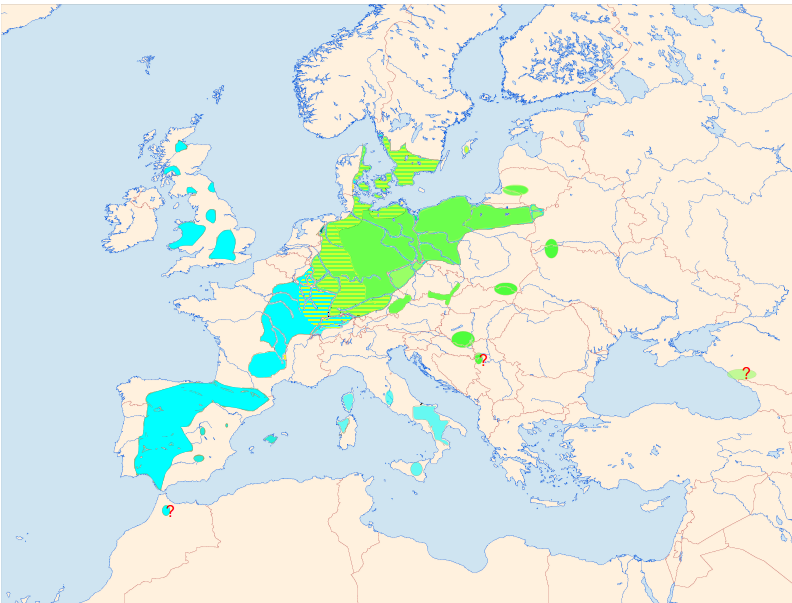
| Locations (Red Kite) | Europe |
Fun Facts
- Kites are famous for their forked or angled tails, which they use like a ship’s rudder! This lets them steer sharply and hover almost perfectly still in the air while looking for food.
- They spend an incredible amount of time airborne, using warm air currents called thermals to circle and soar effortlessly. They barely flap their wings when flying high!
- In some cities, they will often scavenge for food left behind, acting a bit like natural cleanup crew.
- Many types of kites, like the Whistling Kite, are excellent at snatching food, often grabbing small fish right off the surface of the water without even landing.
- The beautiful Red Kite was hunted almost to extinction in the UK, but thanks to conservation efforts, their numbers have soared! It’s one of the biggest success stories in European wildlife history.
Past Lessons
| 192 | December 3, 2025 | (North America) |