

Key Information
Jupiter
| Type | Planet |
| Diameter | 86,882 miles |
| Distance from Sun | 483,724,424,361 miles |
| Orbit Time | 11.862 years |
| Length of Day | 9 hours 55 minutes |
| Temperature | -162 °F |
| Atmosphere | Hydrogen, helium, methane and other elements |
| Date of Discovery | Unknown |
| Moons | 95 |
Learning Point
- Jupiter is the biggest planet in our Solar System, a gas giant. It seems Jupiter protects Earth by stopping many asteroids or comets from coming too close to Earth.
Project
- Identify what missions have been to Jupiter and what they learned, and if there are other missions planned for the future.
- Overview
- Comparison
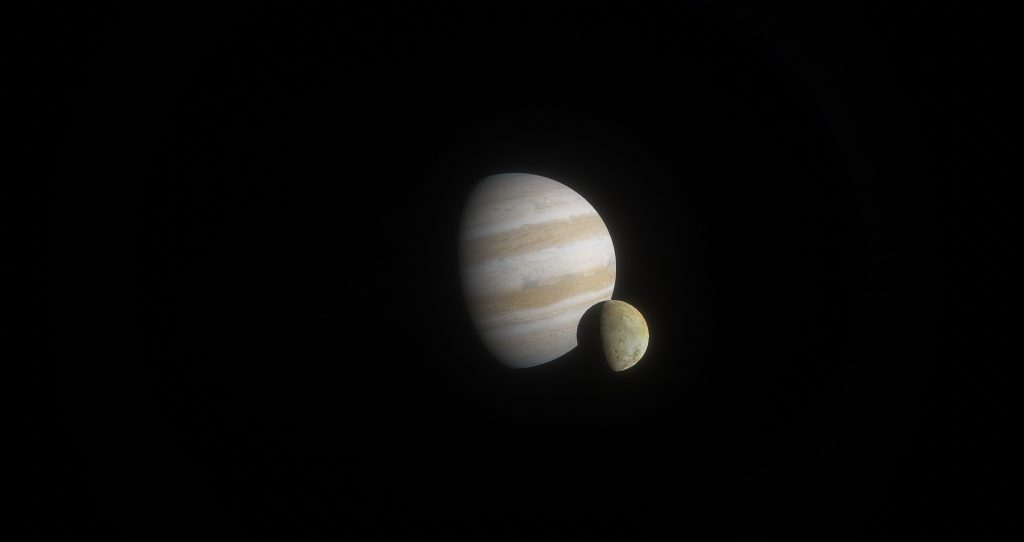
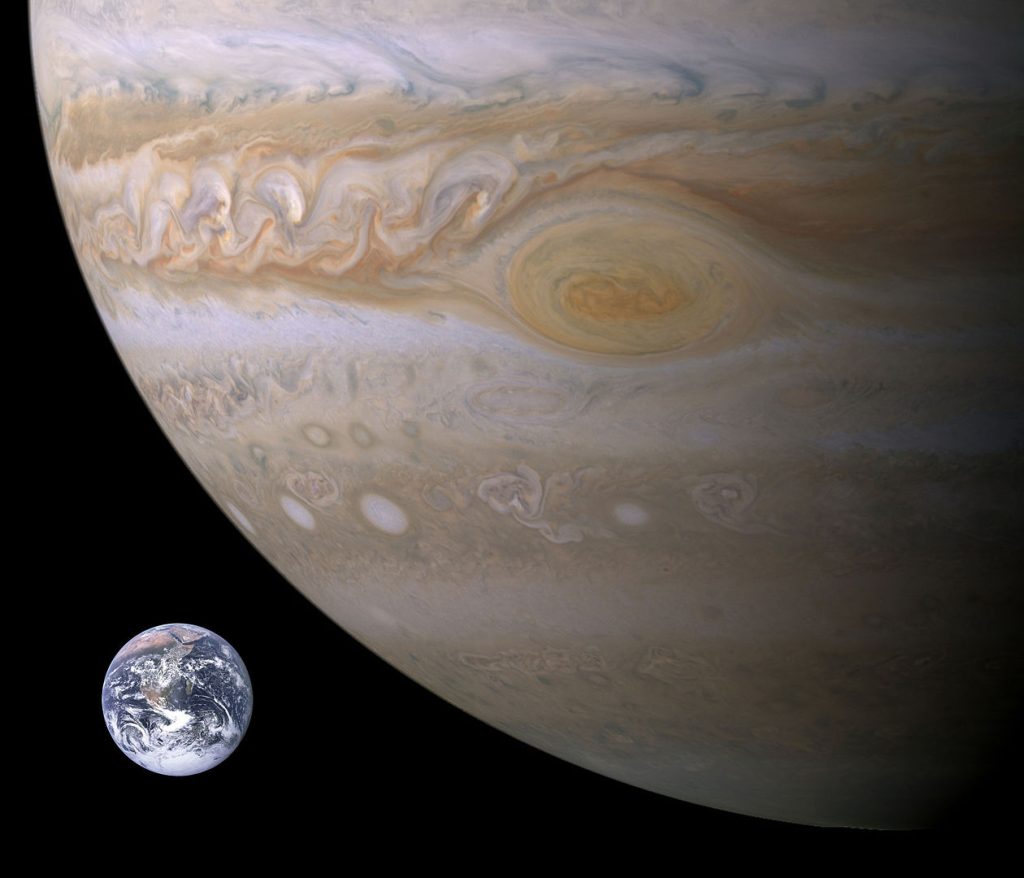
Media


Location
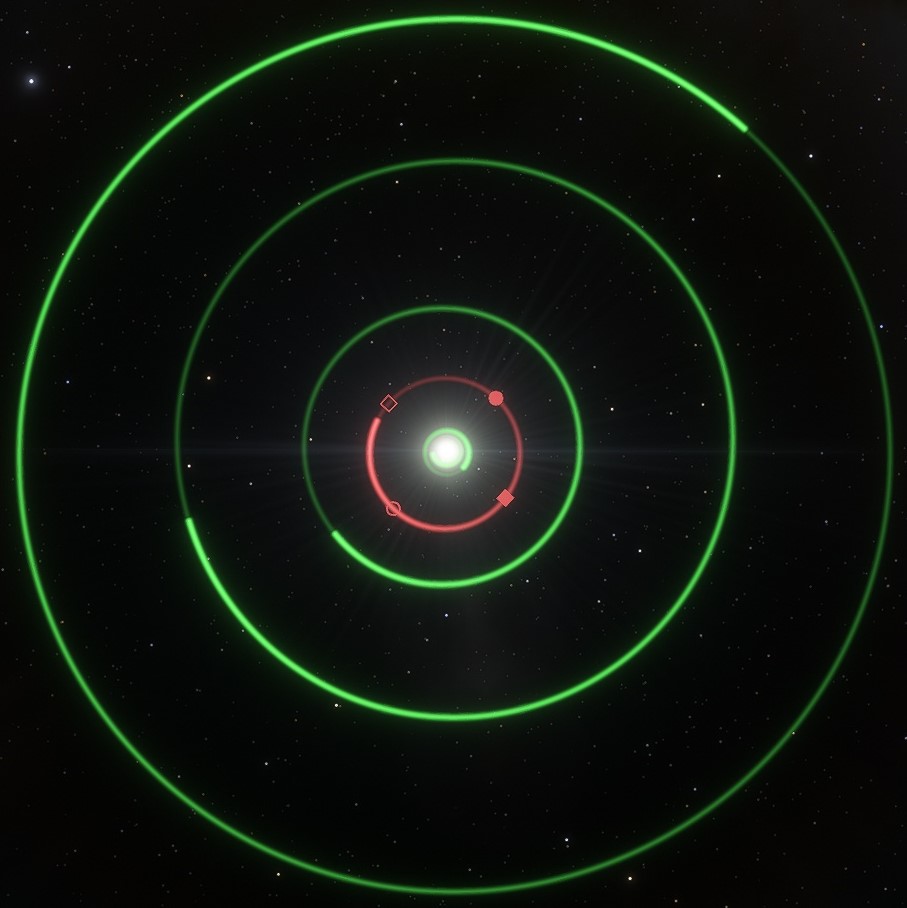
| Located in | Solar System, orbiting the Sun |
Fun Facts
- The giant red oval on Jupiter is called the Great Red Spot and is a powerful hurricane like storm.
- Jupiter has at least 80 moons, many of which are small asteroid like objects.
- Jupiter was found to have a small, faint ring around it, the faintest of all the planets.
- Because Jupiter spins so fast, it’s slightly wider at the equator which makes it look squashed.
Past Lessons
| 11 | May 23, 2022 | (North America) |
| 99 | July 15, 2024 | (North America) |