

Key Information
Viking Missions
| Type | Orbiters and Landers |
| Launch | 20 August, 1975 (Viking 1), 9 September, 1975 (Viking 2) |
| Weight | 7,776 lb |
| Dimensions | 3.6 ft by 1.9 ft (lander), 8.2 ft (orbiter) |
| Deactivated | 25 July, 1978 (Viking 2 orbiter), 11 April, 1980 (Viking 2 lander), 17 August, 1980 (Viking 1 orbiter), 13 November, 1982 (Viking 1 lander), |
Learning Point
- As the first very successful set of lander missions to Mars, the Viking landers demonstrated the technology needed to land on Mars, while the orbiters helped map the surface to a level never seen before. They provided the main information for our knowledge of Mars until the mid-1990s.
Project
- Find out the scientific objectives of the Viking missions.
- Overview
- Lander
- Mosaic of Mars


Location
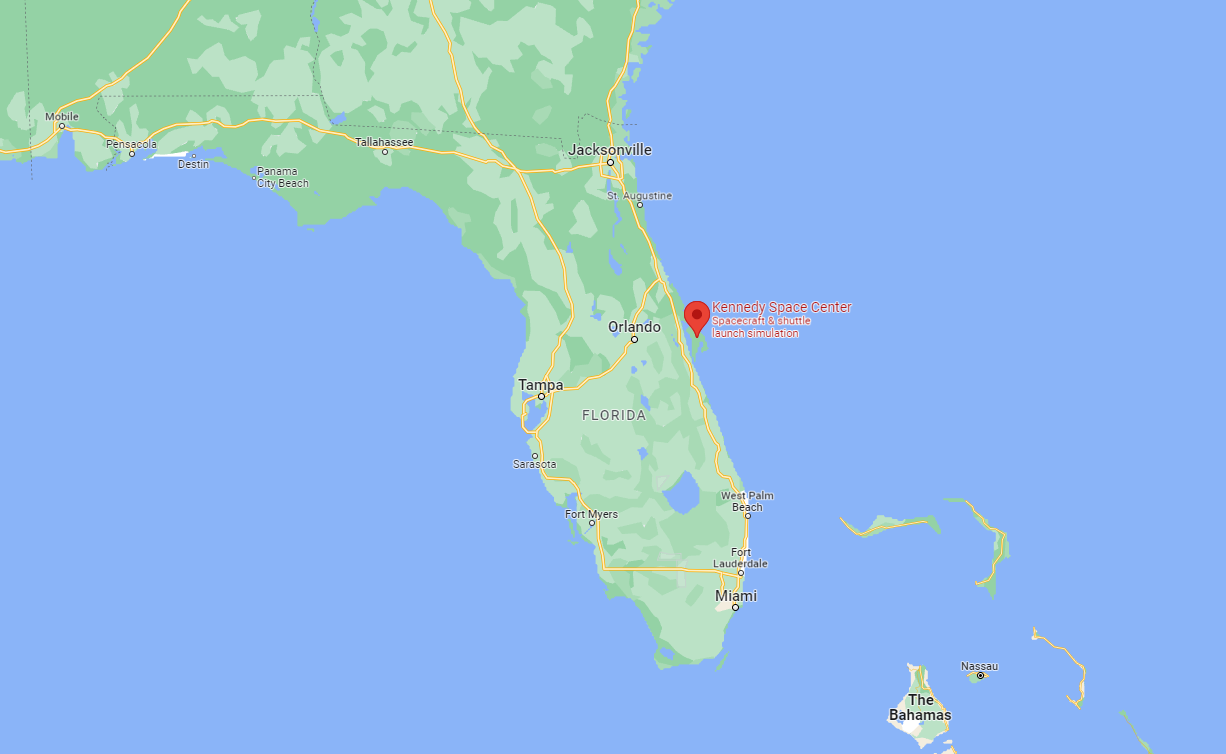
| Located in | Cape Canaveral, Florida |
Fun Facts
- The missions cost about $1 billion at the time, equivalent to about $5 billion today.
- They were considered successful as they far exceeded their 90 day mission life time, with the Viking 1 lander lasting over six years on the surface of Mars.
- The landers were designed to use parachutes and rockets to slow down their descent.
- The missions identified many interesting geological features on Mars, especially evidence of water that had flowed across the surface.
Past Lessons
| 64 | October 2, 2023 | (North America) |