

Key Information
Exploring the Outer Planets
| Time | 1972 to present |
| Pioneer 10 | First flyby of Jupiter, November 6, 1973 |
| Pioneer 11 | First flyby of Saturn, September 1, 1979 |
| Voyager 1 | First to interstellar space, August 25, 2012 |
| Voyager 2 | First flyby of Uranus, January 24, 1986; First flyby of Neptune, August 25, 1989 |
| Galileo | First orbiter of Jupiter, December 7, 1995 |
| Cassini-Huygens | First orbiter of Saturn, July 1, 2004 |
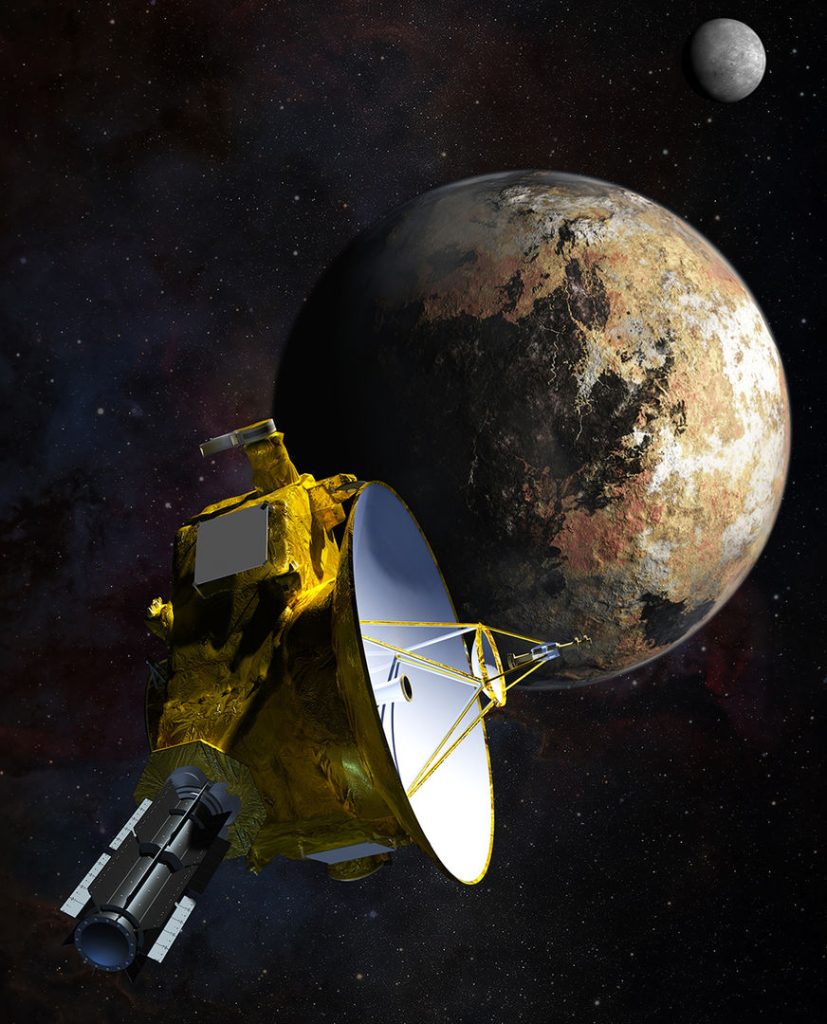
| New Horizons | First flyby of Pluto, July 14, 2015; First flyby of Arrokoth, January 1, 2019 |
Learning Point
- The Pioneer 10 and 11 missions and Voyager missions helped increase our understanding of the outer Solar System dramatically, and later missions to the outer planets have continued to add to our understanding of our closests giant neighbours.
Project
- Find out which missions have reached at least Jupiter, and what other missions are planned.
- Overview
- Voyager 1 & 2
- New Horizons



Location
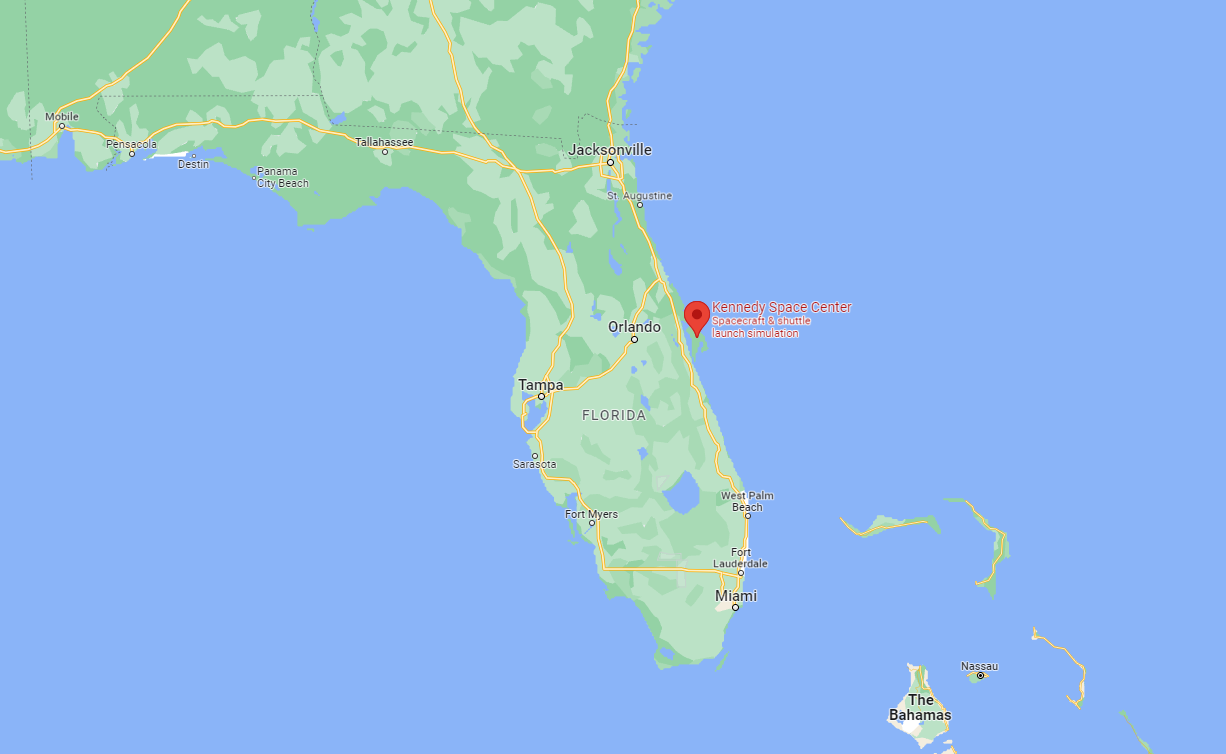
| Located in | Cape Canaveral, Florida |
Fun Facts
- The last two Pioneer missions reached both Jupiter and Saturn for the first time, while also causing them to reach speeds fast enough to escape our Solar System.
- Pioneer 11 could have gone to Pluto, but they chose to pass by Titan as they felt it was a more important place to study.
- Voyager 1 passed Jupiter and Saturn, before being the first spacecraft to reach interstellar space in 2012.
- Voyager 2 was able to pass Uranus and Neptune because of a perfect alignment of the outer planets, becoming the first spacecraft to reach the outer two gas giants.
- New Horizons made history when it reached Pluto, having passed Jupiter on the way, and then went beyond to explore a further object in the Kuiper Belt.
Past Lessons
| 32 | January 30, 2023 | (North America) |