

Key Information
Groundhogs
| Species | 1 species |
| Diet | Herbivore |
| Length | 16 to 27 inches |
| Weight | 6 lb 13 oz to 11 lb 3 oz |
| Lifespan | 3 to 6 years in the wild |
| Conservation Status | Least Concern |
| Classification | Mammalia > Rodentia > Sciuridae > Marmota |
| Habitat | Lowlands, open country and woodlands |
Learning Point
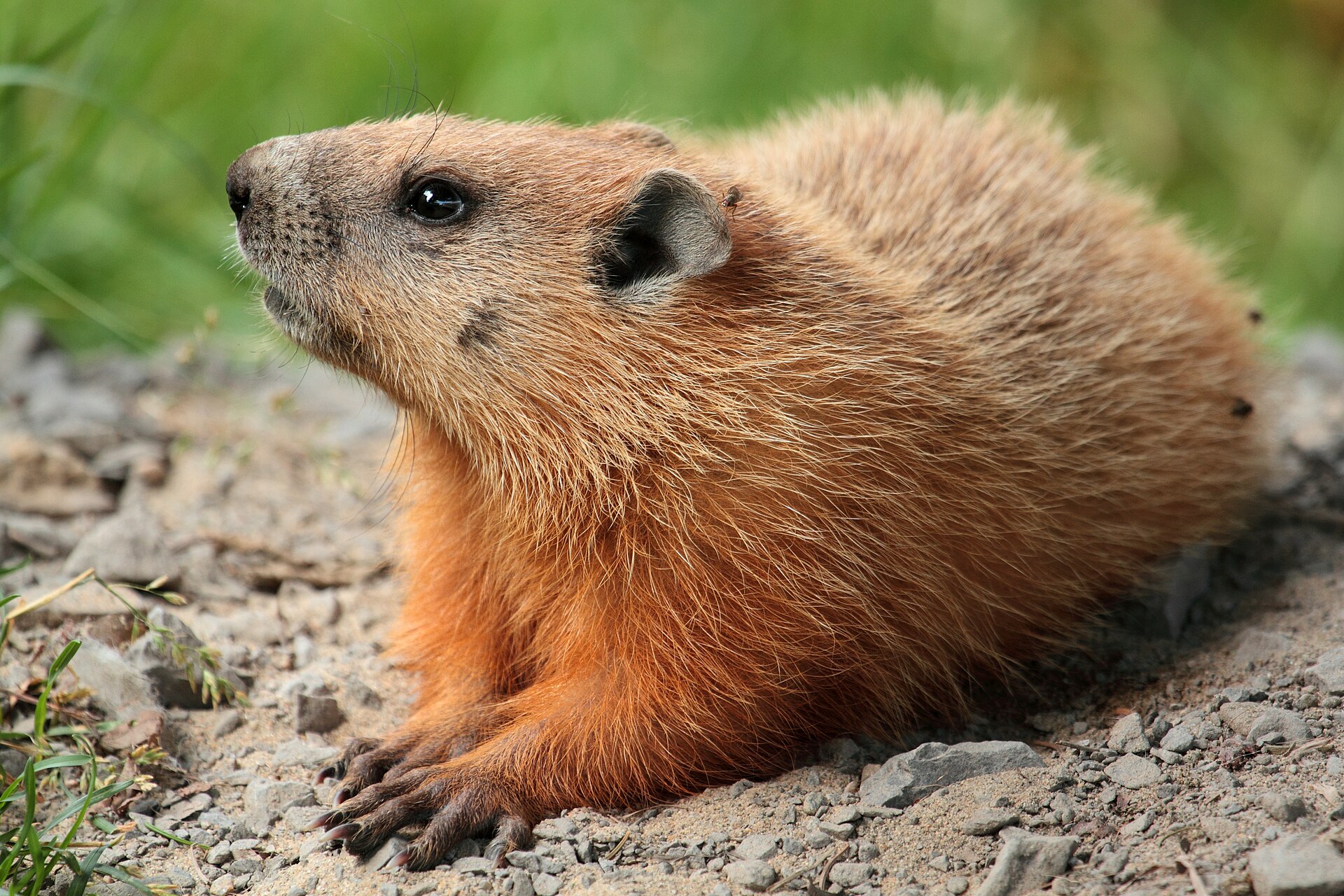
- Groundhogs are large lowland rodents found across North America. They’re also known as woodchucks or whistle-pigs. Despite the tongue-twister, they don’t actually chuck wood, but they are master architects capable of digging extensive underground burrows that provide shelter for many other woodland species. Groundhogs are famous for entering true hibernation during the winter, dropping their body temperature near freezing and slowing their heartbeat to just a few beats per minute to survive. When startled above ground, they stand upright and let out a sharp whistle to warn their colony.
Project
- Draw a picture of a groundhog family.
- Overview
Location
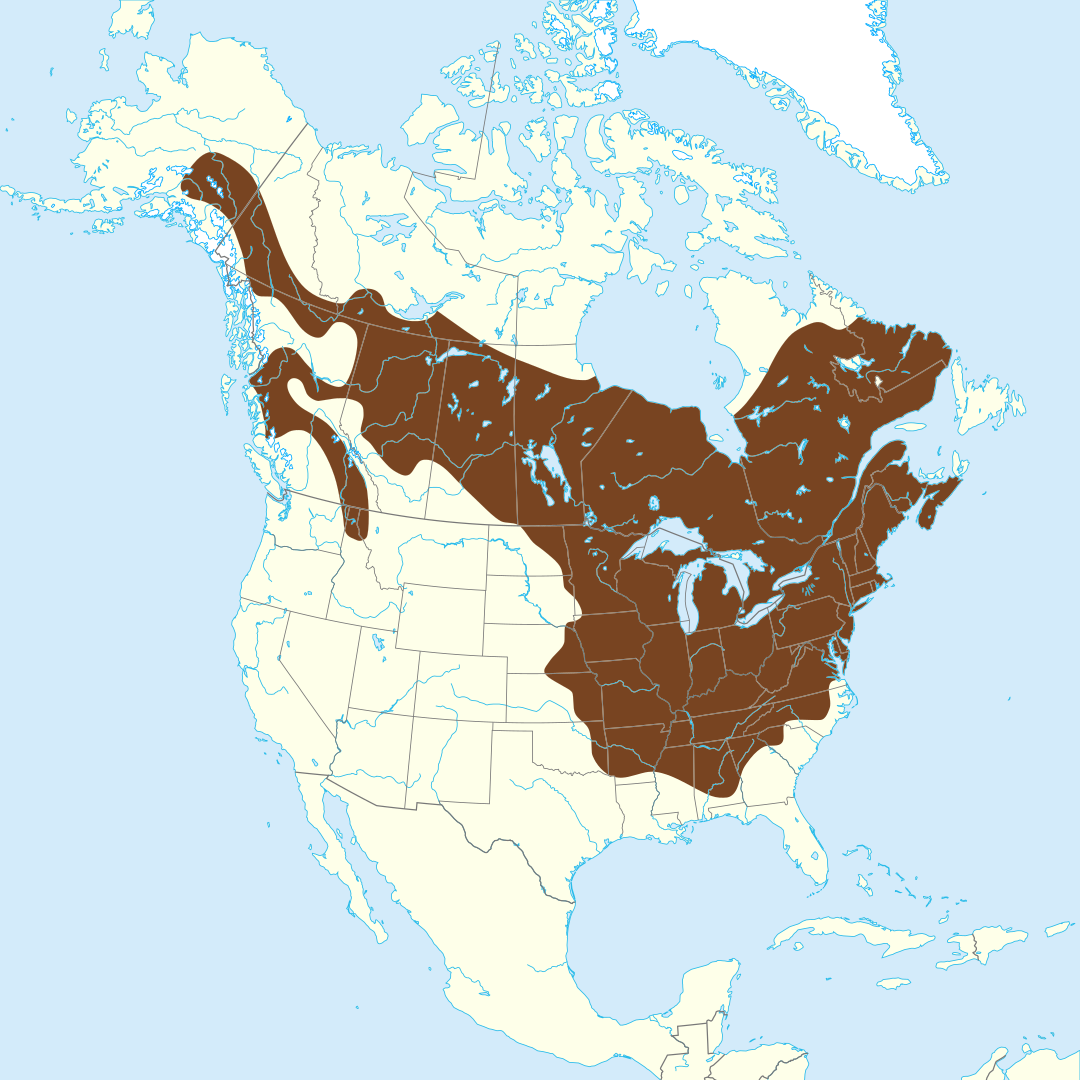
| Locations | North America |
Fun Facts
- Groundhogs are often called “whistle-pigs” because when they get scared or spot danger, they stand up and let out a loud, high-pitched whistle to warn their friends.
- Even though the famous tongue-twister asks how much wood a woodchuck could chuck, groundhogs don’t toss wood at all—their name comes from an old Native American word, wuchak!
- A groundhog’s front teeth never stop growing! They grow about 1.5 millimeters every single week, which helps them constantly chew up plants without running out of teeth.
- Groundhogs dig amazing underground burrows that have multiple rooms, including safe sleeping nests and even a separate bathroom chamber!
- When groundhogs move out of an old burrow, other animals like rabbits, foxes, and chipmunks move right in to use their ready-made underground homes.
Past Lessons
| 220 | September 30, 2026 | (North America) |