

Key Information
Bibracte
| Type | Gallic Oppidium (fortified settlement) |
| Founded | Around 220 to 200 BCE |
| Founded By | Aedui |
| Abandoned By | Around 15 BCE or slightly after |
| Excavated By | Gabriel Bulliot, Joseph Déchelette (from 1865) |
Learning Point
- Bibracte was the massive hilltop capital of the Aedui tribe and a high-tech center for Celtic trade and ironworking in ancient Gaul. It’s famously where Vercingetorix was elected to lead the rebellion against Julius Caesar, marking it as a key site of Gaulish resistance. Today, the ruins on Mount Beuvray serve as a premier archaeological site, preserving the stone walls and urban layout of a powerful civilization that existed just before the Roman conquest.
Project
- Draw a picture of a Bibracte as you imagine it to have looked.
- Overview
- Plan
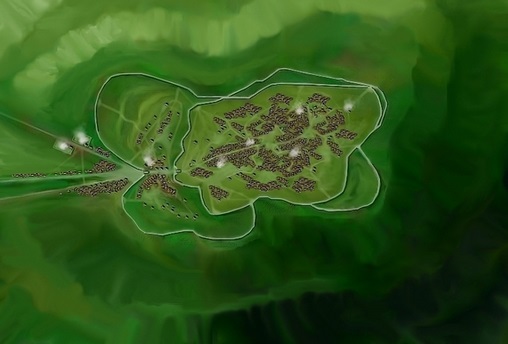
Plan
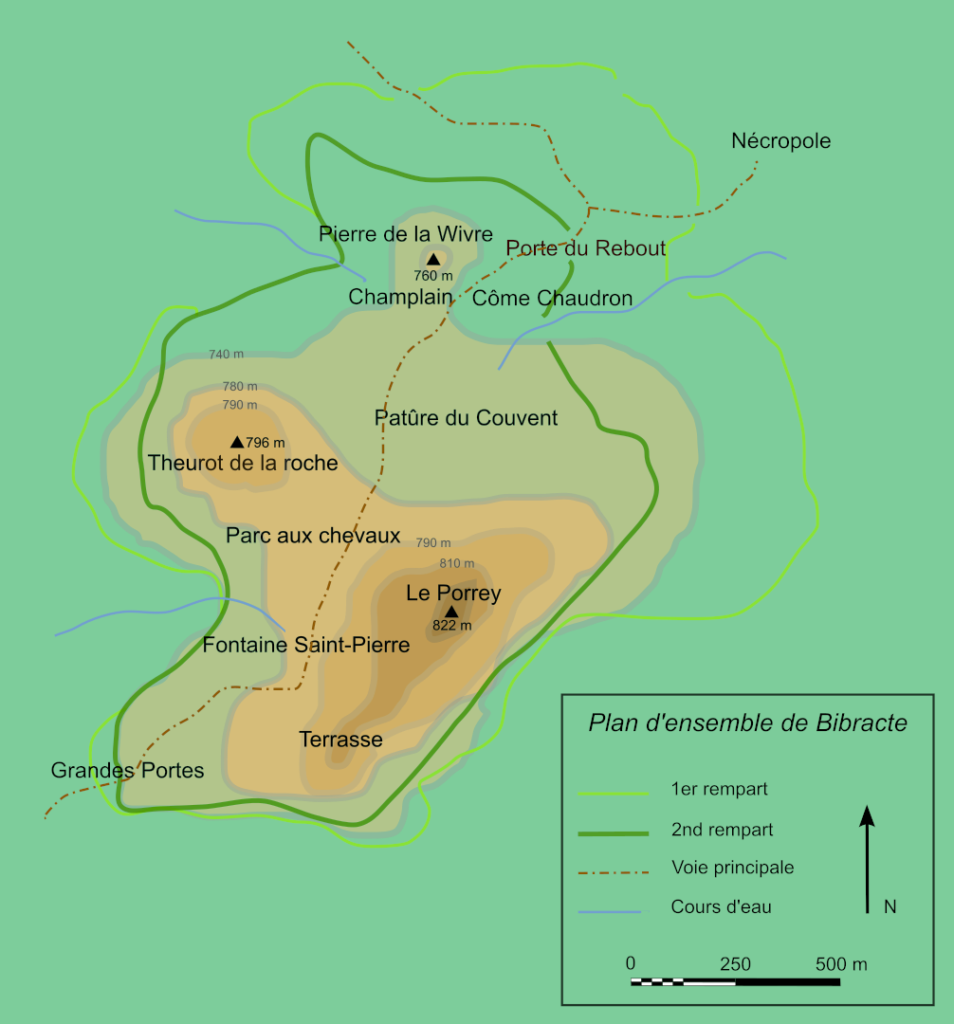

1st Century BCE
Location
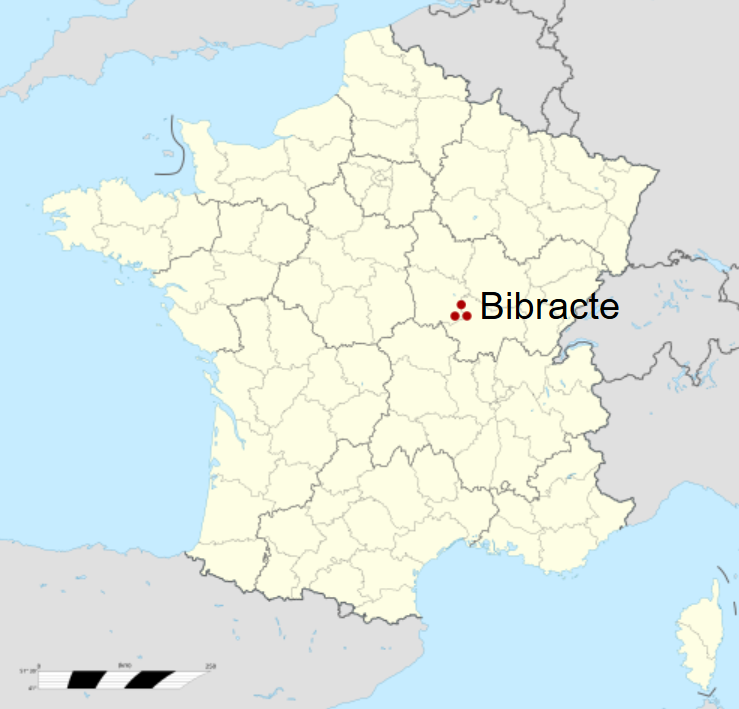
| Location | Near Autun, France |
Fun Facts
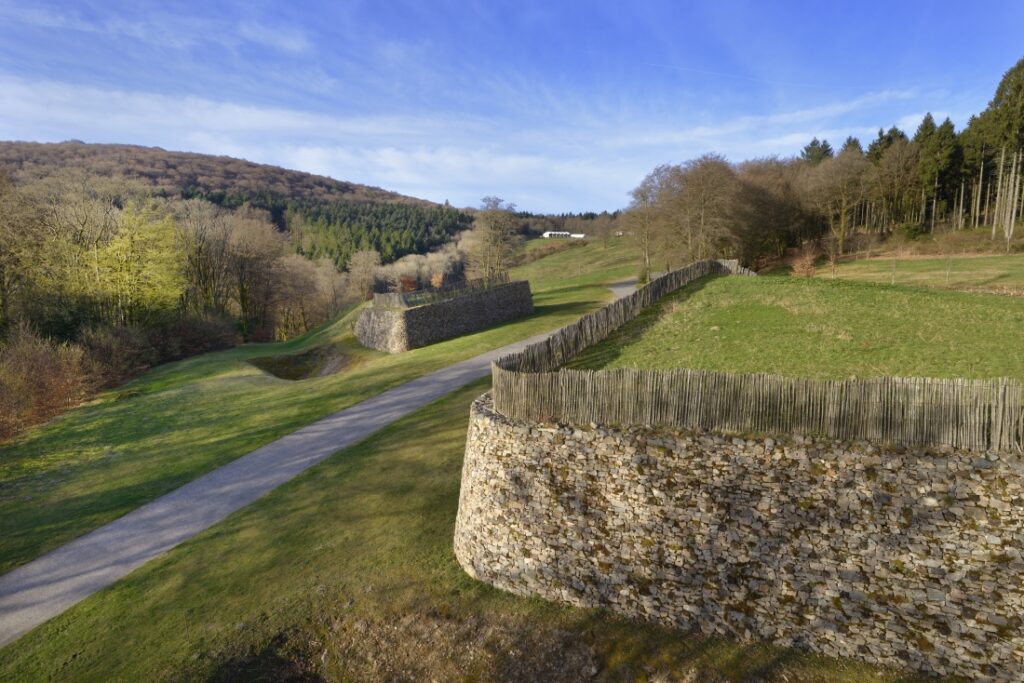
- The city was protected by a giant wall called a Murus Gallicus. It was made by layering stone and logs like a giant sandwich! If you laid the wall out in a straight line, it would be over 3 miles long.
- Archaeologists have been digging at Bibracte for over 150 years, but they have only uncovered about 5% of the city so far. There are still thousands of houses, shops, and secrets hidden under the forest floor.
- The Gauls used wooden spoons and sharp iron knives to eat their meals, which were often stews made of lentils, cereals, and meat.
- Bibracte was so important that it was the place where many different tribes met to pick a “Super Boss.” They chose the famous hero Vercingetorix to lead them all in a big fight against the Romans.
- After the Romans took over, the people eventually left Bibracte because living on a cold, windy mountaintop was tough. They moved to a brand-new, fancy city in the valley called Autun, which had flat roads and easier access to water.
Past Lessons
| 190 | December 17, 2025 | (North America) |