

Key Information
Cuttlefish
| Species | 116 species |
| Diet | Carnivore |
| Length (Body) | 2 to 20 inches |
| Weight | 1.5 oz to 20 lb |
| Classification | Mollusca > Cephalopoda > Sepiidae |
| Conservation Status | Most Not Threatened |
| Habitat | Coastal sea and ocean waters |
Learning Point
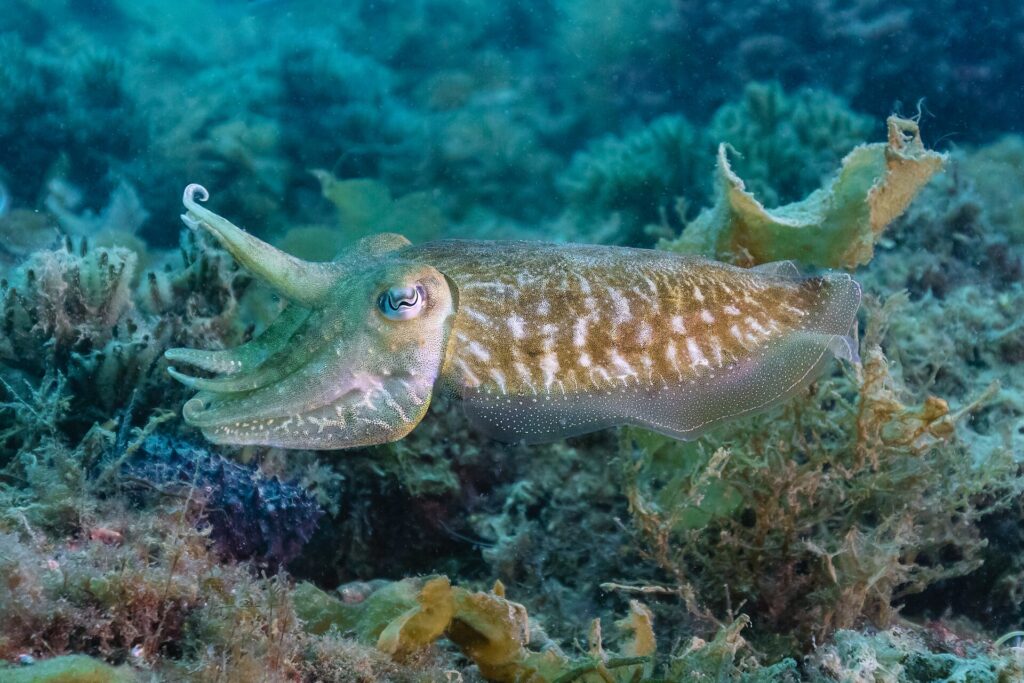
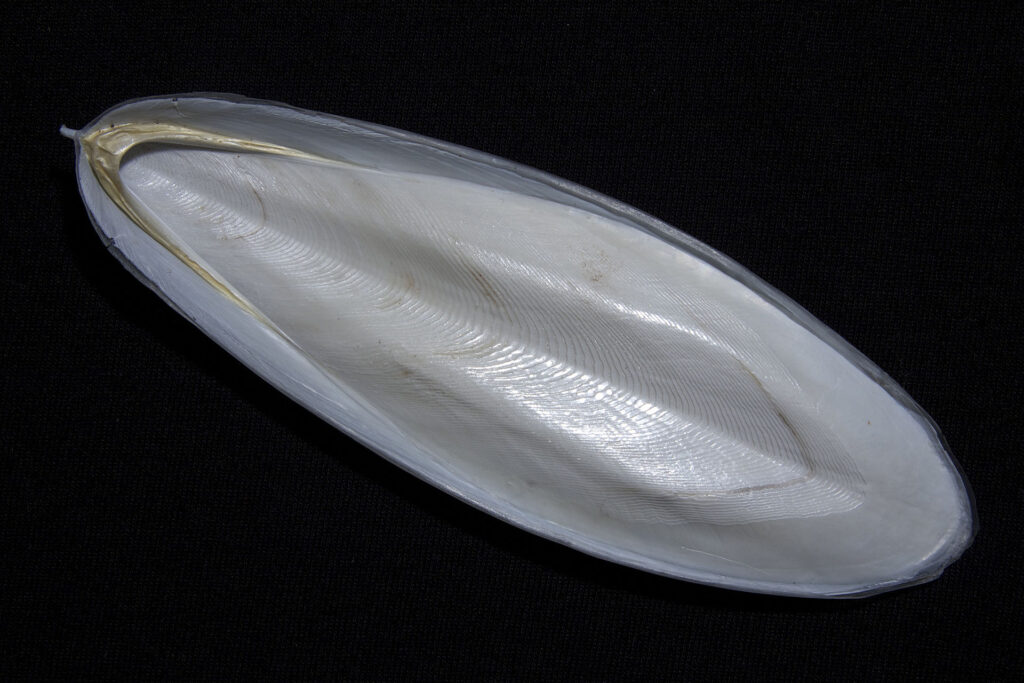
- Cuttlefish are the ocean’s ultimate shapeshifters. Often called “chameleons of the sea,” these intelligent mollusks use specialized skin cells called chromatophores to change color, pattern, and texture instantly for camouflage or communication. Despite being colorblind, they have high-tech, W-shaped eyes that detect polarized light. They navigate using a “cuttlebone” to control buoyancy and hunt with two lightning-fast hidden tentacles. With three hearts and blue-green blood, they are biologically alien. From providing the original “sepia” ink to displaying complex problem-solving skills, cuttlefish prove that you don’t need a spine to be a genius.
Project
- Draw a picture of a cuttlefish.
- Overview
- X-Ray

Location

| Places | Coastal waters throughout Europe, Africa, Asia, and Australia |
Fun Facts
- Cuttlefish can change their color and the texture of their skin in less than a second! They can go from smooth and sandy to bumpy and spiky to hide from predators.
- Their pupils are shaped like the letter “W.” This strange shape helps them see in many directions at once, even in the dark, murky water.
- They have three hearts that pump blue-green blood through their bodies! Their blood is blue because it uses copper to carry oxygen instead of iron like ours.
- Inside their squishy bodies is a hard, chalky shell called a cuttlebone. It’s full of tiny holes that hold gas to help the cuttlefish float or sink like a little submarine.
- They have eight arms, but they also have two secret tentacles tucked away in “pockets.” When they see a tasty shrimp, they shoot those tentacles out super fast to grab it!
- When they get scared, they shoot out a cloud of brown ink to confuse enemies. This ink was used by artists for hundreds of years—the color is even called “Sepia” after the cuttlefish’s scientific name!
Past Lessons
| 204 | March 11, 2026 | (North America) |