

Key Information
Translating the Past
| Type | Deciphering and translating lost languages |
Learning Point
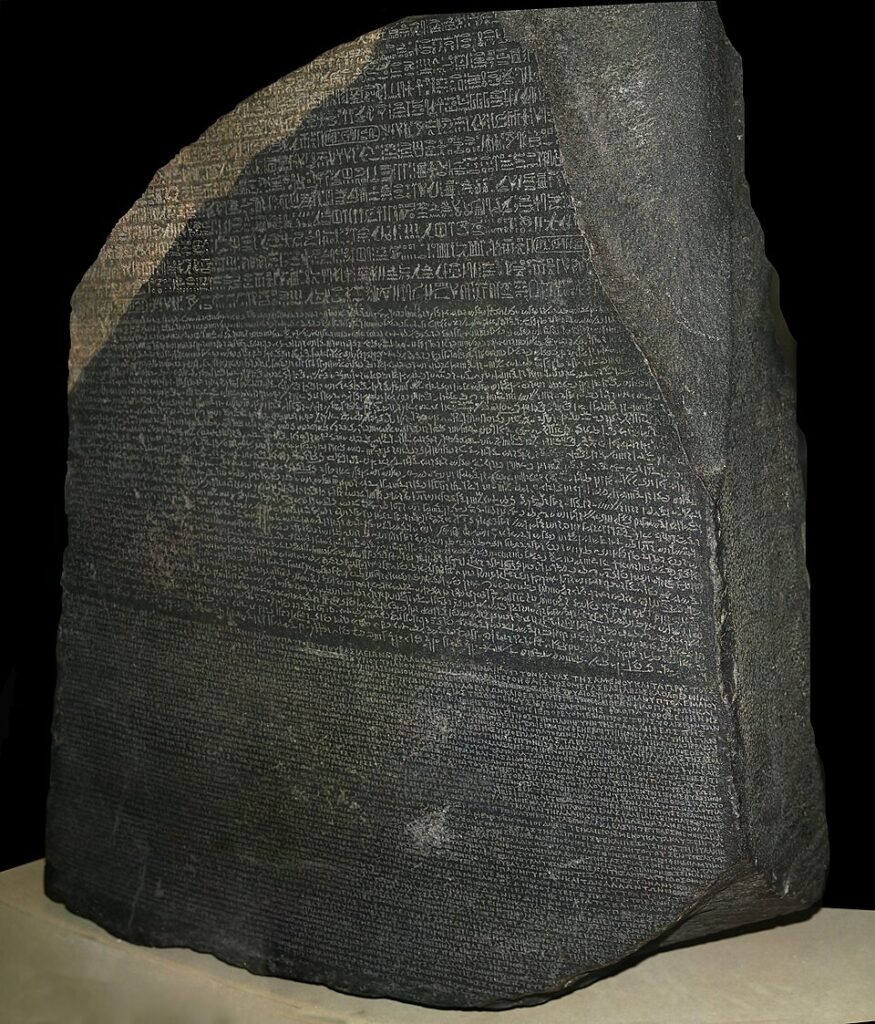
- Deciphering extinct languages is the ultimate historical “hack,” requiring a blend of linguistics, cryptanalysis, and archaeology. The process usually hinges on finding a bilingual text, like the Rosetta Stone, which acts as a “cheat sheet” by providing a known translation for unknown symbols. Without one, scholars use frequency analysis—counting how often symbols appear—and look for “loan words” or names of cities that might bridge the gap to modern languages. Today, AI speeds up the process by scanning thousands of fragments to detect patterns, finally giving a voice back to civilizations that have been silent for millennia.
Project
- Design your own characters for a language.
- Overview


Science Week – 2026

Fun Facts
- Sometimes, the pictures in a language (hieroglyphs) tell you exactly what the word sounds like. For example, in ancient Egypt, a picture of an owl stood for the letter “M”.
- There are still many languages from the past that no one on Earth can read yet, like the Indus Script from India or Linear A from Greece. It’s like a giant puzzle waiting for a new genius to solve it!
- When we finally translate old tablets, they aren’t always about kings and battles. Many of them are just ancient shopping lists, school homework, or receipts for someone buying a goat!
- Codebreakers often start by looking for the names of Kings or Queens. Since names usually sound the same in every language, they act like a “bridge” to help figure out the rest of the alphabet.
Past Lessons
| 198 | February 17, 2026 | (North America) |