

Key Information
Thylacines
| Species | Thylacine cynocephalus |
| Diet | Carnivore |
| Length | 3.3 to 4.4 ft |
| Lifespan | 5 to 7 years |
| Classification | Mammalia > Marsupialia > Dasyuromorphia > Thylacinidae |
| Habitat | Dry eucalyptus forests, wetlands, and grasslands |
Learning Point
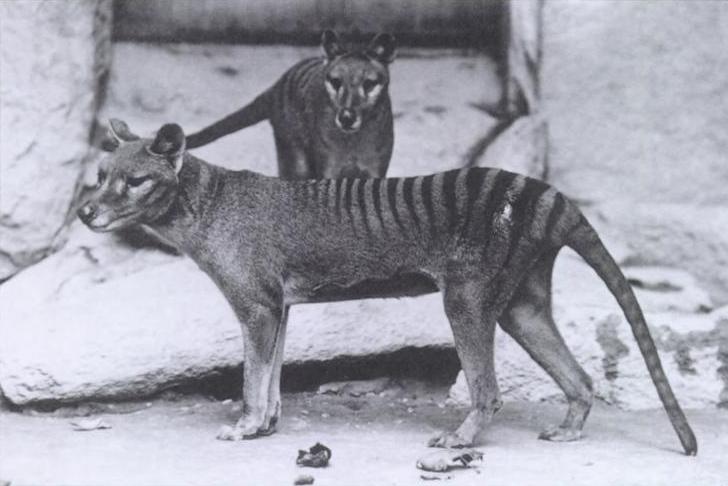
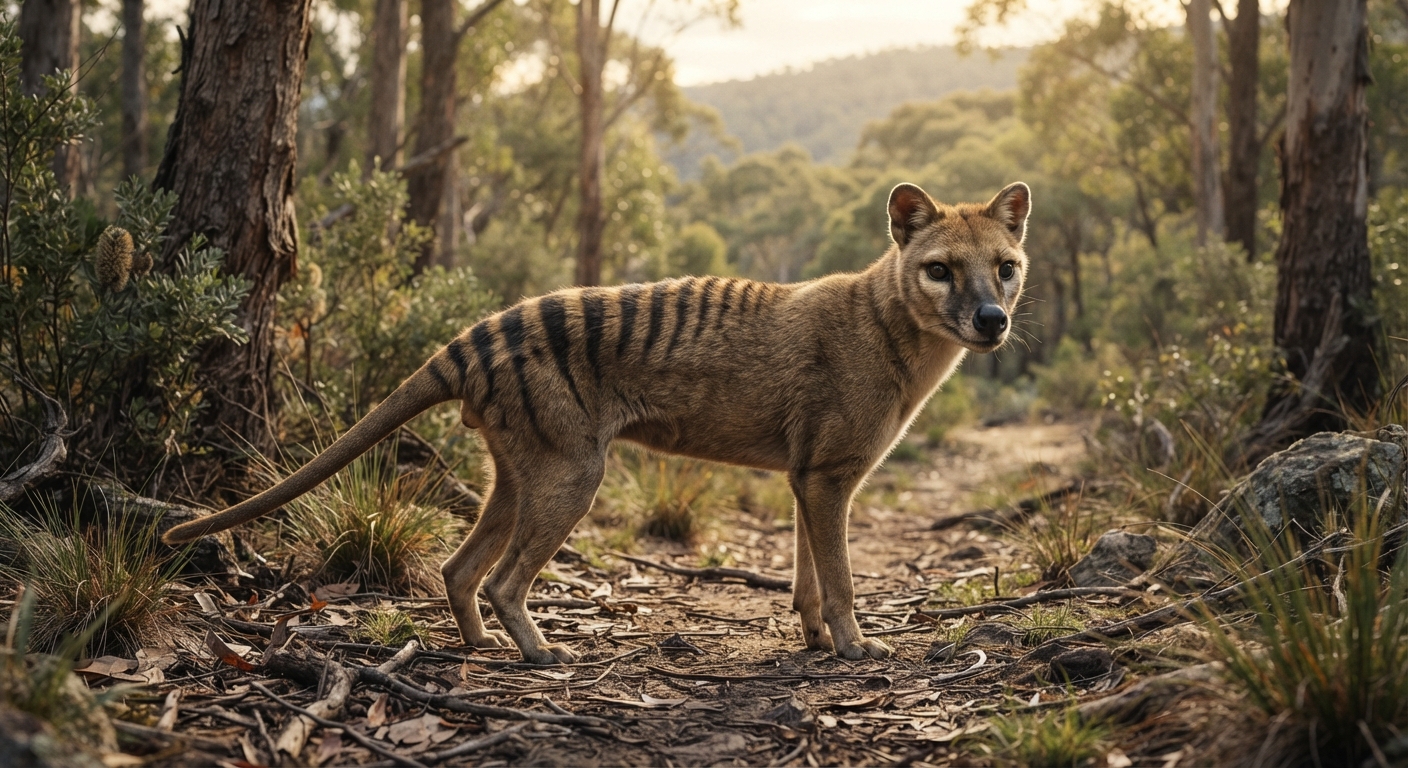
- The Thylacine, often called the Tasmanian tiger, was a unique carnivorous marsupial native to Australia, New Guinea, and Tasmania. Even though it looked remarkably like a dog or wolf with its striped back, it was actually more like kangaroos and had a pouch. Sadly, due to intensive hunting by farmers who viewed them as a threat to livestock, habitat loss, and disease, the population crashed. The very last known thylacine passed away in a zoo in 1936, making the species extinct, though it remains an iconic and fascinating part of history today.
Project
- Draw a picture of Thylacine.
- Overview
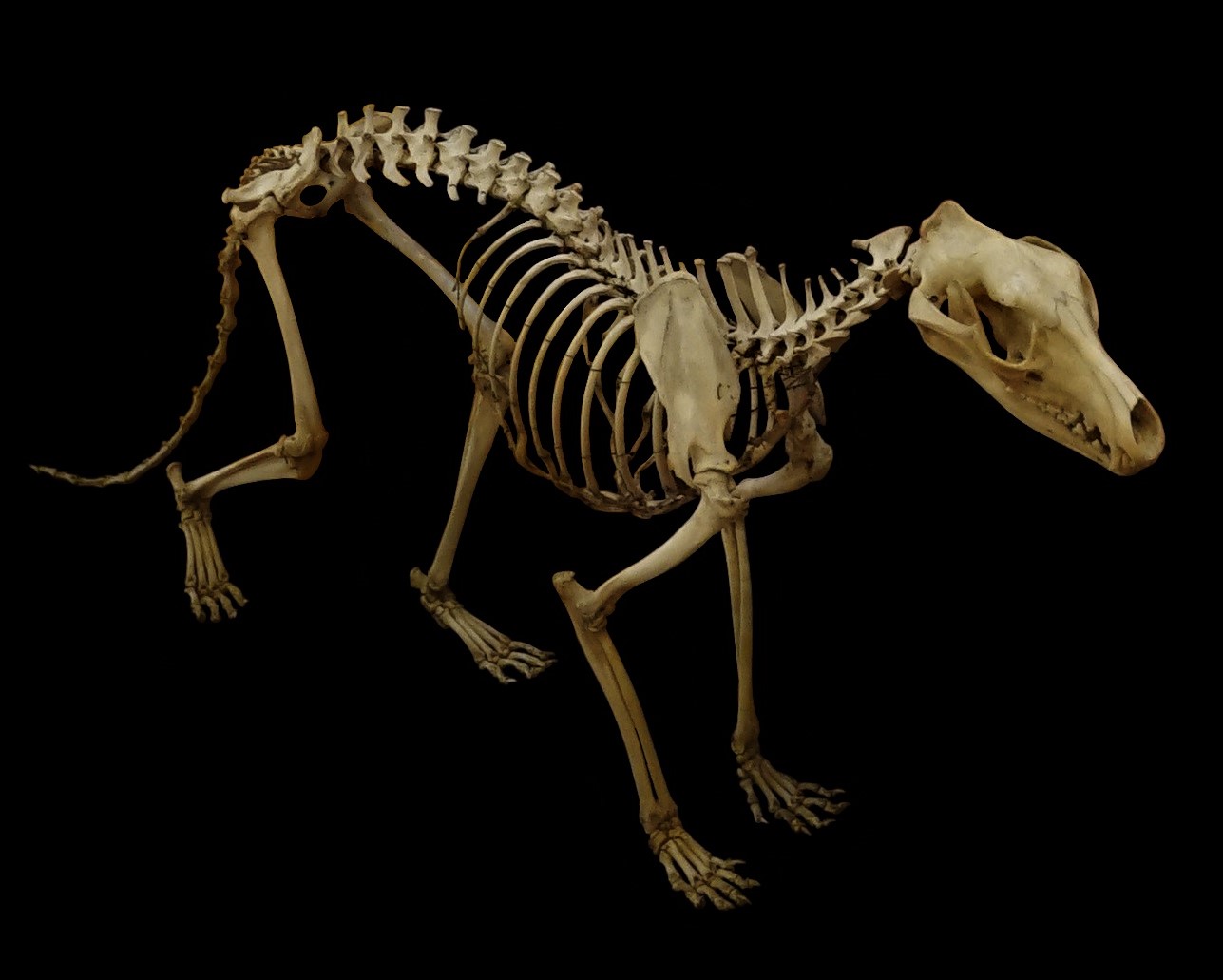
- X-Ray

Location
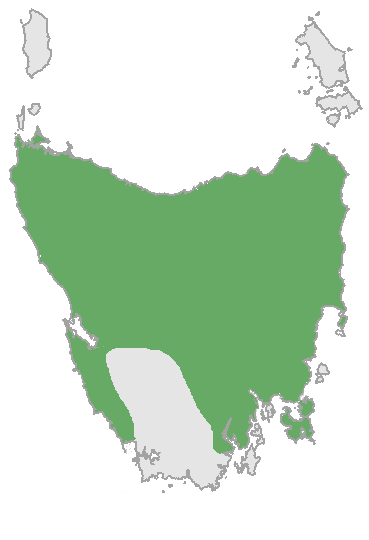
| Places | Tasmania, Australia |
Fun Facts
- Both male and female thylacines had a pouch! Females used theirs to carry babies, while males used theirs as a protective cover.
- They were called “Tasmanian tigers” because of the 15 to 20 dark stripes running across their backs and tails.
- Thylacines could open their mouths extraordinarily wide, almost like a snake!
- While they once lived across Australia, the last surviving wild population lived on the island of Tasmania.
- Australia commemorates September 7 as National Threatened Species Day, which is the anniversary of when the very last thylacine passed away in 1936.
Past Lessons
| 17 | January 26, 2022 | (North America) |
| 215 | August 26, 2026 | (North America) |