

Key Information
Dingoes
| Species | 1 species |
| Diet | Carnivore |
| Length | 48 to 54 inches |
| Height | 21 to 23 inches |
| Weight | 31 to 42 lb |
| Lifespan | 3 to 8 years (in the wild) |
| Conservation Status | Not Threatened |
| Classification | Mammalia > Carnivora > Canidae > Canis |
| Habitat | Varies |
Learning Point
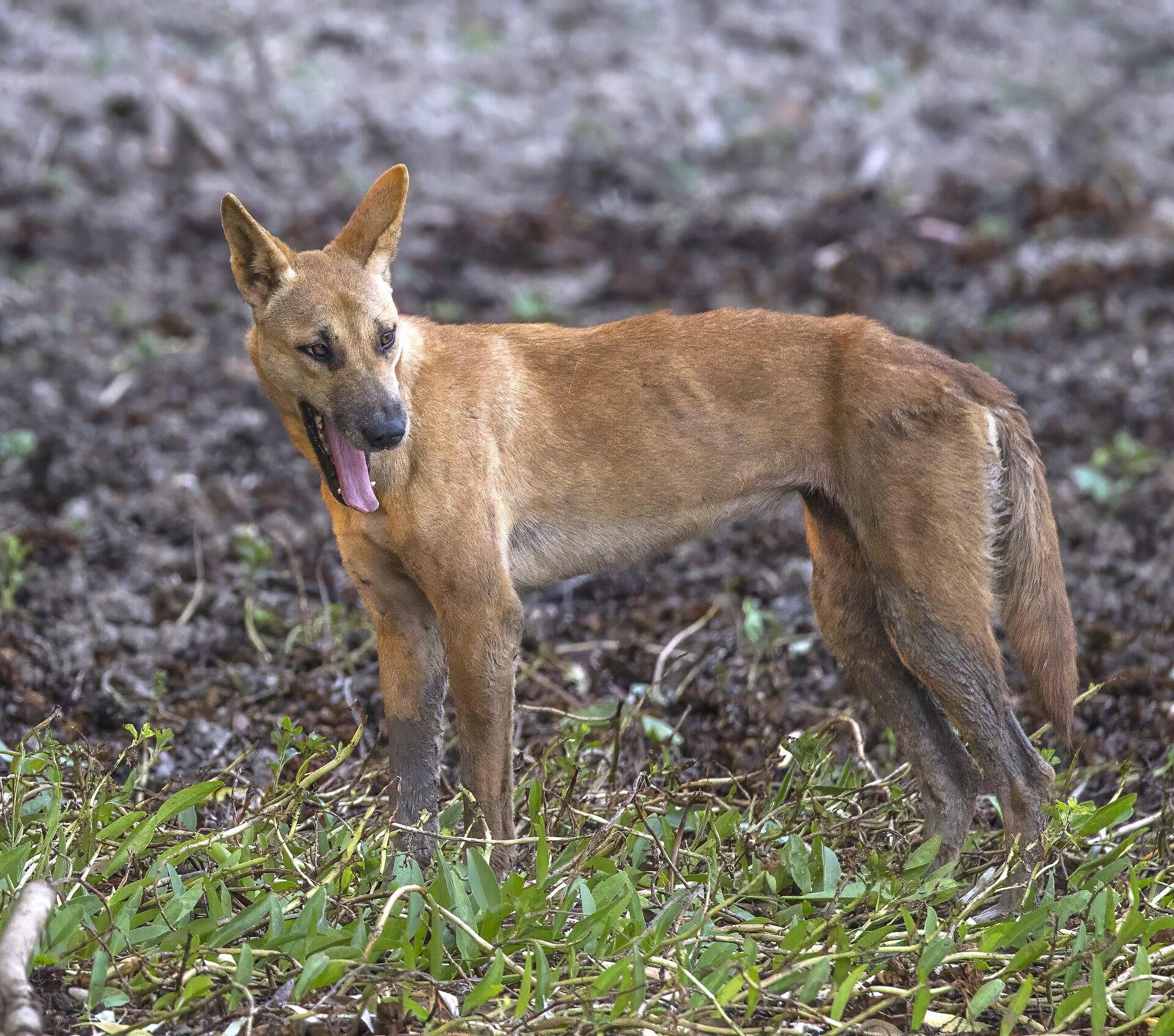
- Found across Australia, the dingo is a medium-sized, athletic canine with a wedge-shaped head and a coat typically coloured ginger, tan, or white. Arriving on the continent via boats over 3,000 years ago, they hold deep cultural significance for Indigenous Australians. While scientists debate whether they are a distinct species, a subspecies, or feral domestic dogs, dingoes act as vital apex predators in Australian ecosystems. Today, they face modern conservation challenges like hybridization with domestic dogs and are managed through large-scale barriers like the famous Dingo Fence.
Project
- Draw a picture of a dingo family.
- Overview
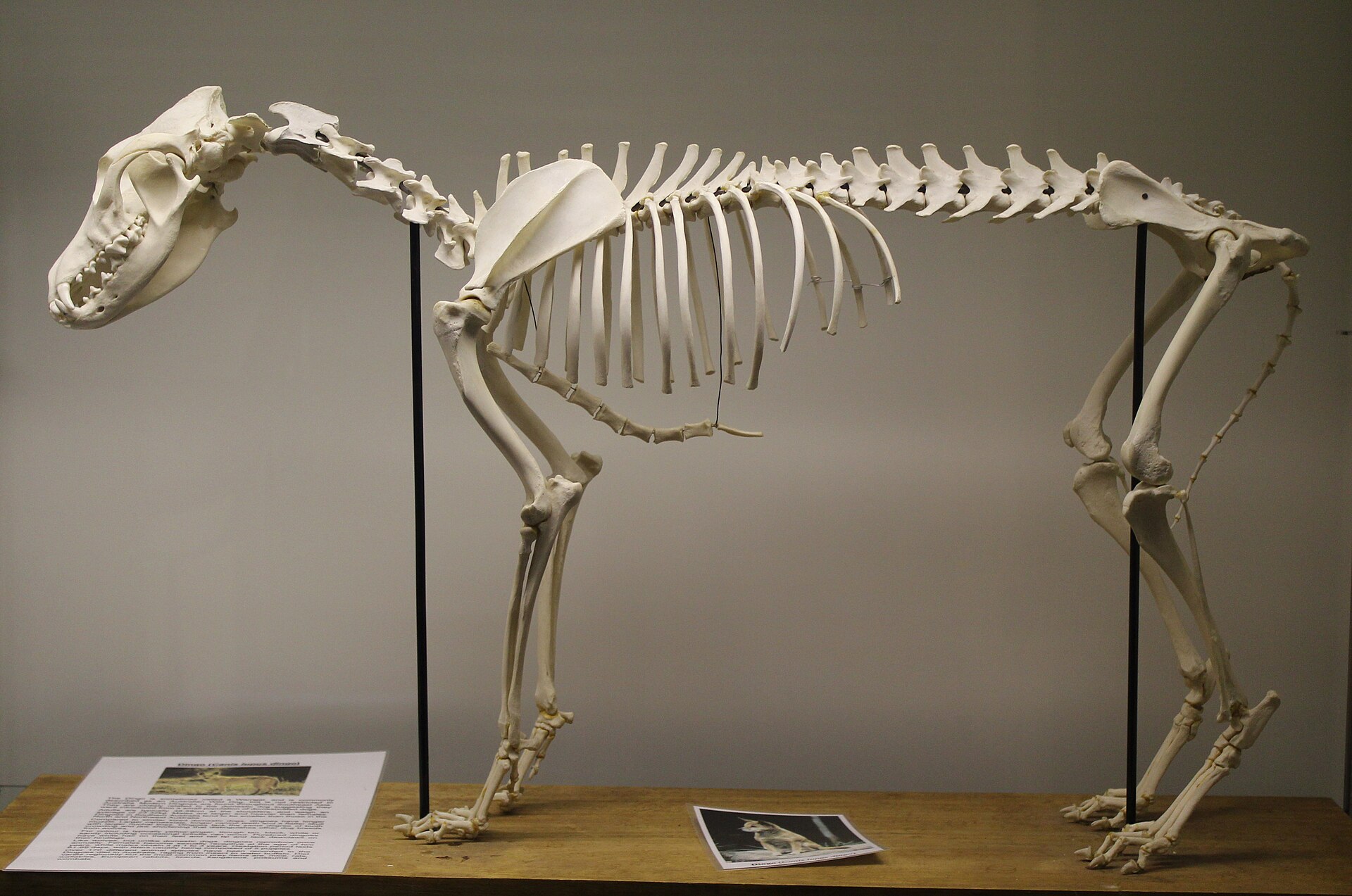
- X-Ray
Location
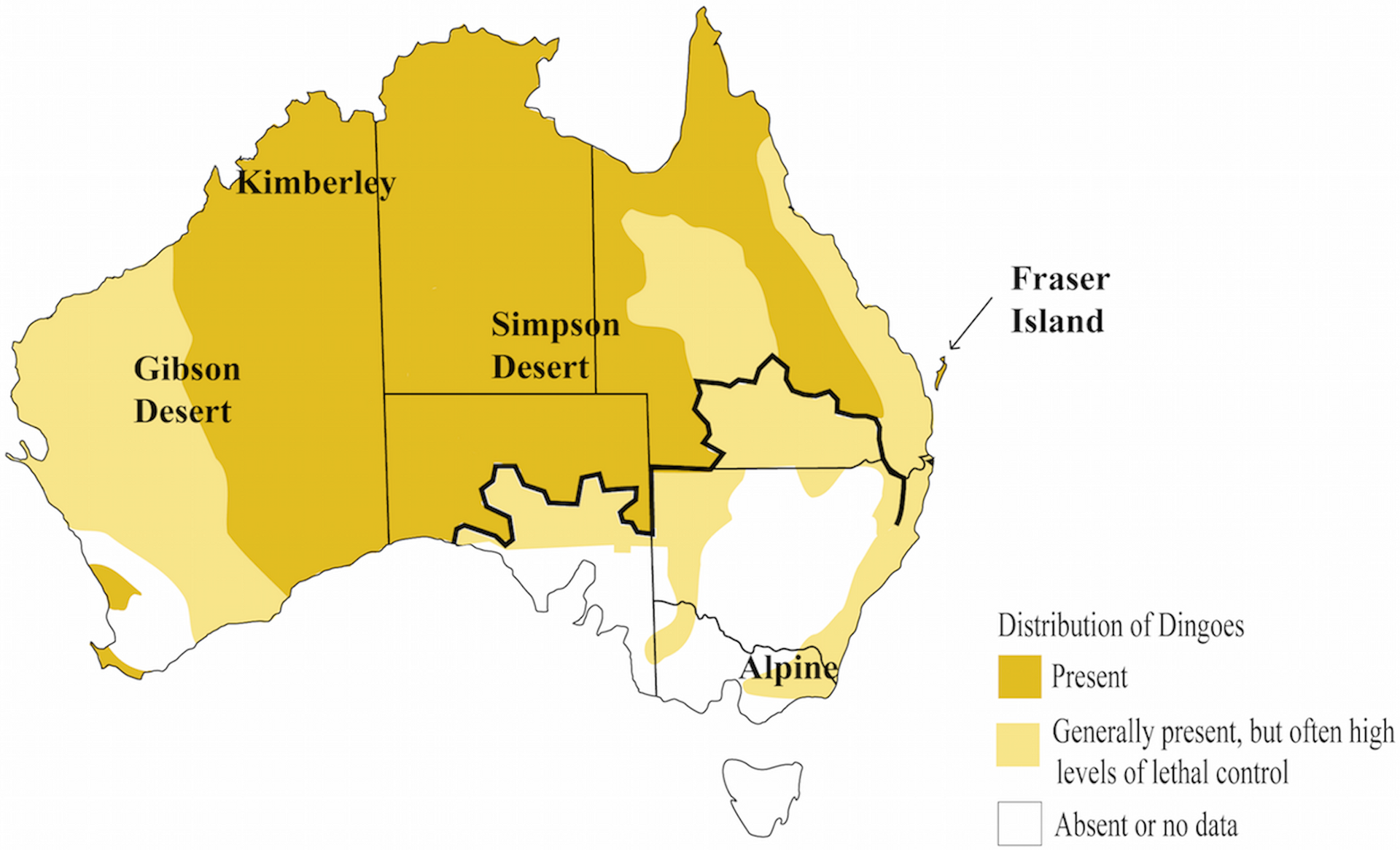
| Locations | Australia |
Fun Facts
- Dingoes are surprisingly agile and can easily leap over fences nearly two meters high, or even climb trees with low-hanging branches!
- A dingo’s head and neck can rotate almost like an owl’s, allowing them to turn their heads nearly 180 degrees to look around.
- Australia built one of the longest structures in the world – the Dingo Fence – which stretches over 3,480 miles long to keep dingoes away from farmland.
- Dingoes first arrived in Australia at least 3,300 to 3,500 years ago, meaning they must have traveled across the ocean on boats alongside ancient people.
- Instead of barking like regular pet dogs, dingoes primarily communicate with long, haunting howls to talk to their family pack or warn outsiders away.
- Different Indigenous Australian languages have many unique names for dingoes, sometimes using different words depending on whether the dog lives with people in a camp or out in the wild.
Past Lessons
| 222 | October 14, 2026 | (North America) |