

Key Information
Kiwis
| Species | 5 species |
| Diet | Carnivore |
| Length | 14 to 25 in |
| Weight | 1.9 to 7.3 lb |
| Lifespan | 25 to 50 years |
| Conservation Status | Vulnerable to Critically Endangered |
| Classification | Aves > Paleognathae > Apterygiformes > Apteryx |
| Habitat | Subtropical and temperate forests, scrublands, and subalpine regions |
Learning Point
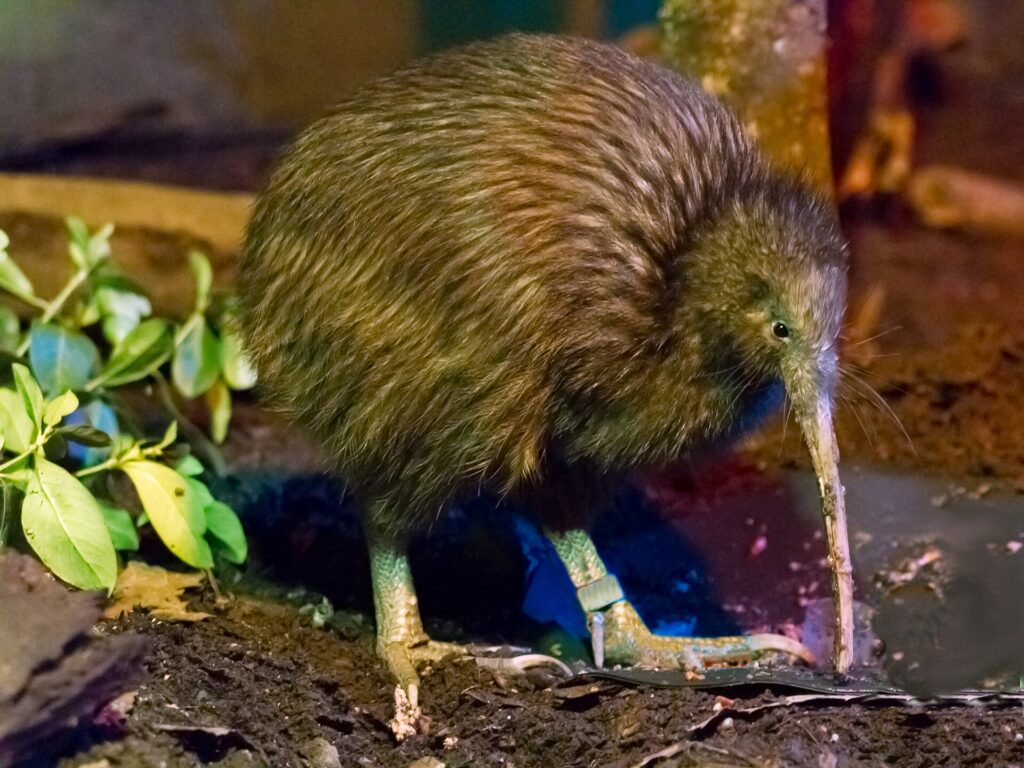
- The kiwi is basically the “honorary mammal” of the bird world. Exclusive to New Zealand, this flightless bird has features that break all the typical bird rules: it has marrow-filled bones, cat-like whiskers, and shaggy feathers that feel more like fur.
- Kiwis are the only birds with nostrils at the very tip of their long beaks, allowing them to sniff out worms underground like a bloodhound. They also hold a world record for the largest egg-to-body ratio; a female’s egg can take up 20% of her body—that’s like a human giving birth to a four-year-old!
Project
- Draw a picture of a Kiwi.
- Overview
- Egg Size Ratio

Location
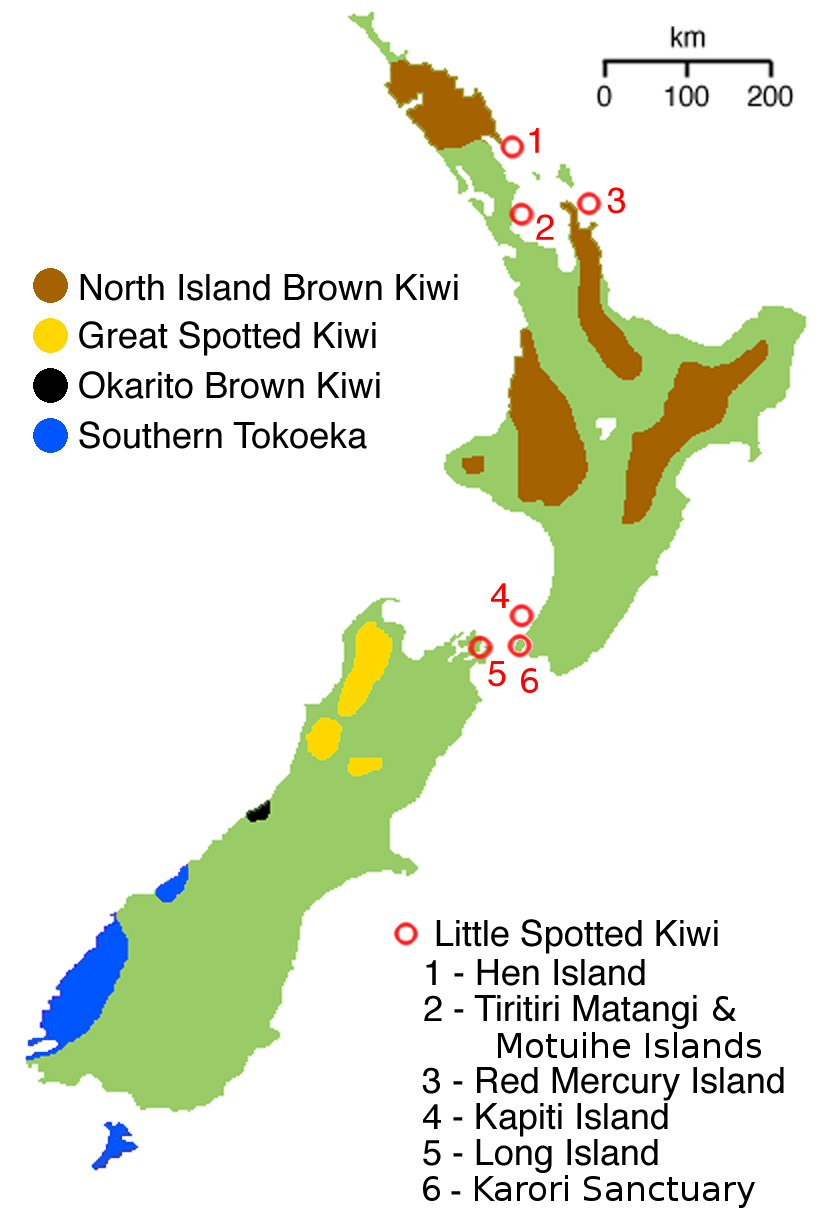

| Locations | New Zealand |
Fun Facts
- Kiwis can’t fly, and their wings are so tiny (only about 1 inch long!) that they are completely hidden under their shaggy, hair-like feathers.
- They have whiskers like a cat to help them feel their way around in the dark, and their bones are heavy and filled with marrow, just like ours!
- Kiwis are nocturnal, which means they sleep during the day and come out at night to play and hunt for snacks in the New Zealand forests.
- Don’t let their fluffiness fool you! Kiwis have very strong, muscular legs that they use to run fast and kick away any predators that try to mess with them.
Past Lessons
| 206 | March 25, 2026 | (North America) |