

Key Information
Camels
| Species | 3 species |
| Diet | Herbivore |
| Length | 7 to 11 ft 6 inches |
| Height | 6 ft 1 inch to 7 ft 1 inch |
| Weight | 660 to 2,200 lb |
| Lifespan | 40 to 50 years |
| Conservation Status | Domesticated, or Endangered (Wild Bactrian Camel) |
| Classification | Mammalia > Artiodactyla > Camelidae > Camelus |
| Habitat | Arid land |
Learning Point
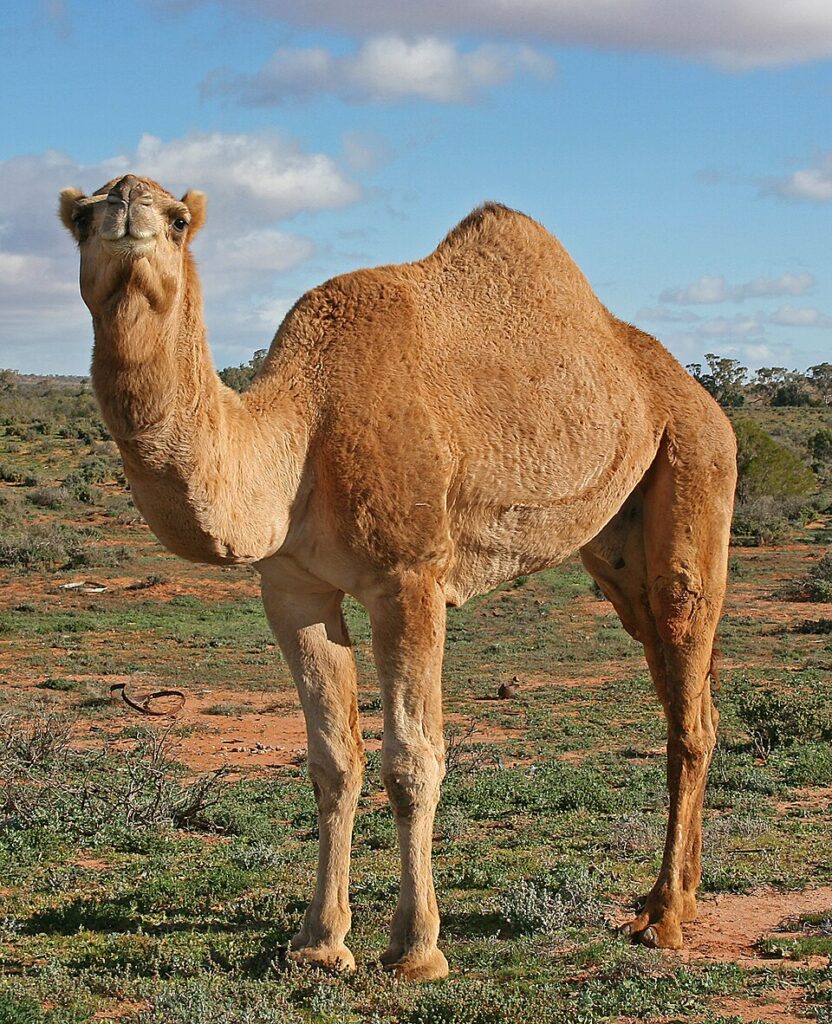
- Camels are amazing desert animals with humps that store fat (not water!) for energy, allowing them to survive extreme heat and go long periods without a drink. The Dromedary has one hump and lives in hot regions like the Middle East, while the Bactrian has two humps and handles the cold of Central Asia. They’re often called the “ships of the desert” because people rely on them heavily for travel and transport, thanks to their tough build and survival adaptations like closing nostrils to block sand.
Project
- Draw a picture of a camel being used as transport in the desert.
- Overview
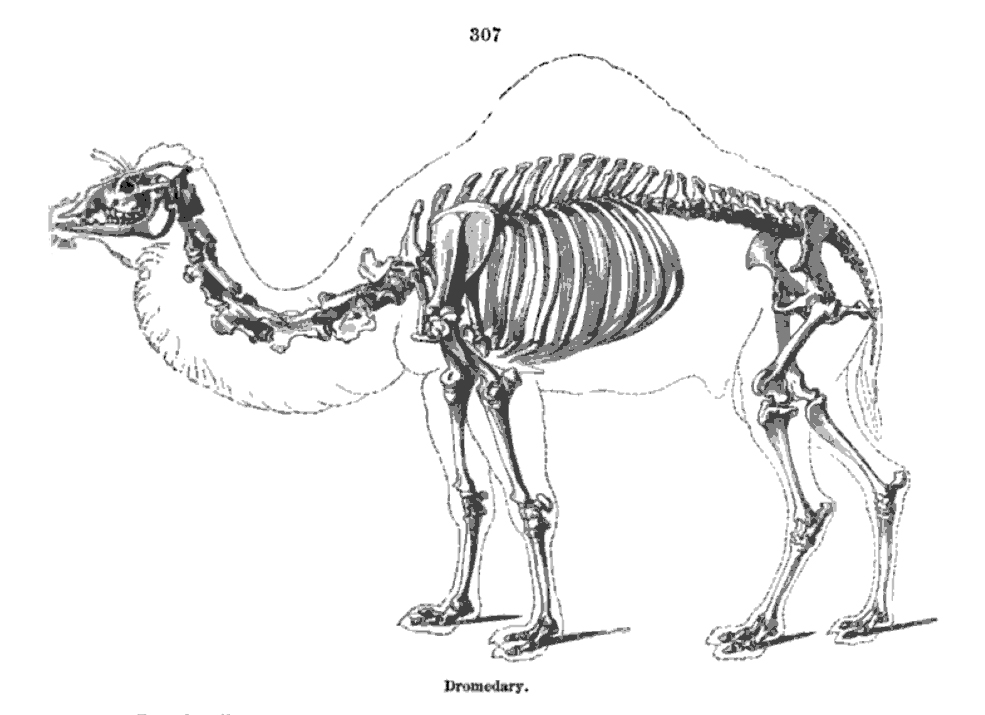
- X-Ray
Dromedary


Bactrian

Location

| Locations | Africa, Asia |
Fun Facts
- The hump is actually a giant pile of fat that the camel uses for energy and food when desert supplies are low.
- They got this nickname because they can carry a huge amount of weight—sometimes over 900 pounds!
- Camels have two rows of extra-long eyelashes and can completely close their nostrils to keep sand out during a storm.
- When a camel finally finds water, it can drink an amazing amount—up to 40 gallons in just one session!
Past Lessons
| 187 | October 15, 2025 | (North America) |