

Key Information
Gannets
| Species | 3 species |
| Diet | Carnivore |
| Length | 33 to 37 inches |
| Weight | 5 to 8 lb |
| Wingspan | 67 to 79 inches |
| Lifespan | 17 to 37 years |
| Conservation Status | Least Concern (Endangered for Cape Gannet) |
| Classification | Aves > Suliformes > Sulidae > Morus |
| Habitat | Coastline Cliffs or Islands |
Learning Point
- Gannets are three species of powerful seabirds—Northern, Cape, and Australasian—all famous for their spectacular, high-speed plunge-diving technique to catch fish. To survive hitting the water at speeds up to 60 mph, these large, white birds have air-sacs beneath their skin as a natural cushion. Though separated by vast oceans, all gannets nest in dense, massive colonies on coastal islands and cliffs, with the Cape Gannet population being the most vulnerable and currently classified as Endangered.
Project
- Draw a picture of gannets diving into the water to fish.
- Overview
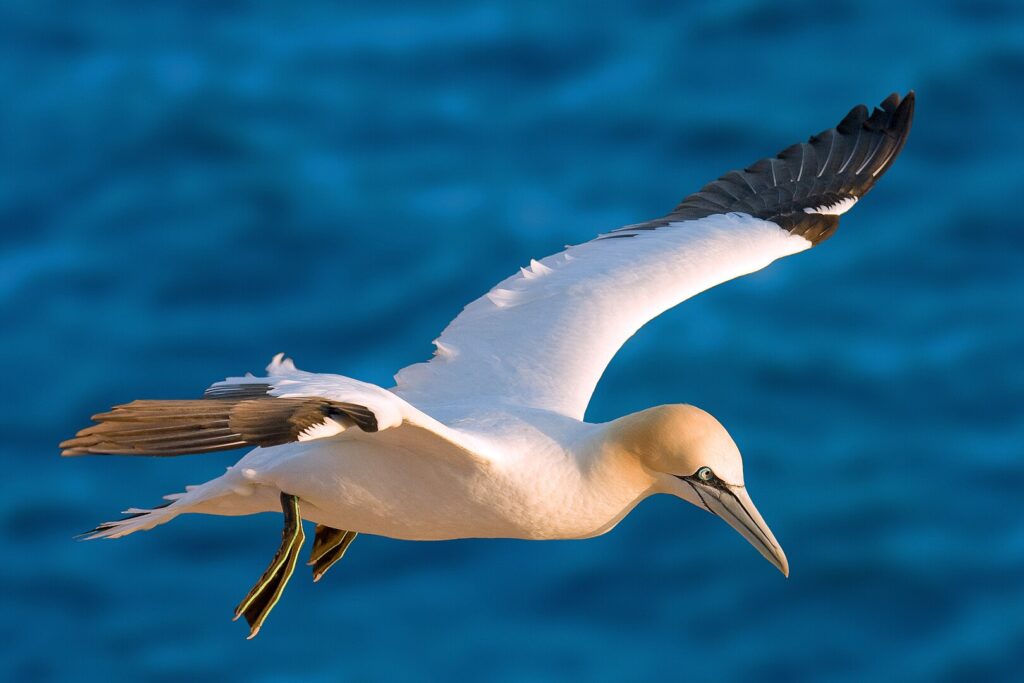
Northern Gannet
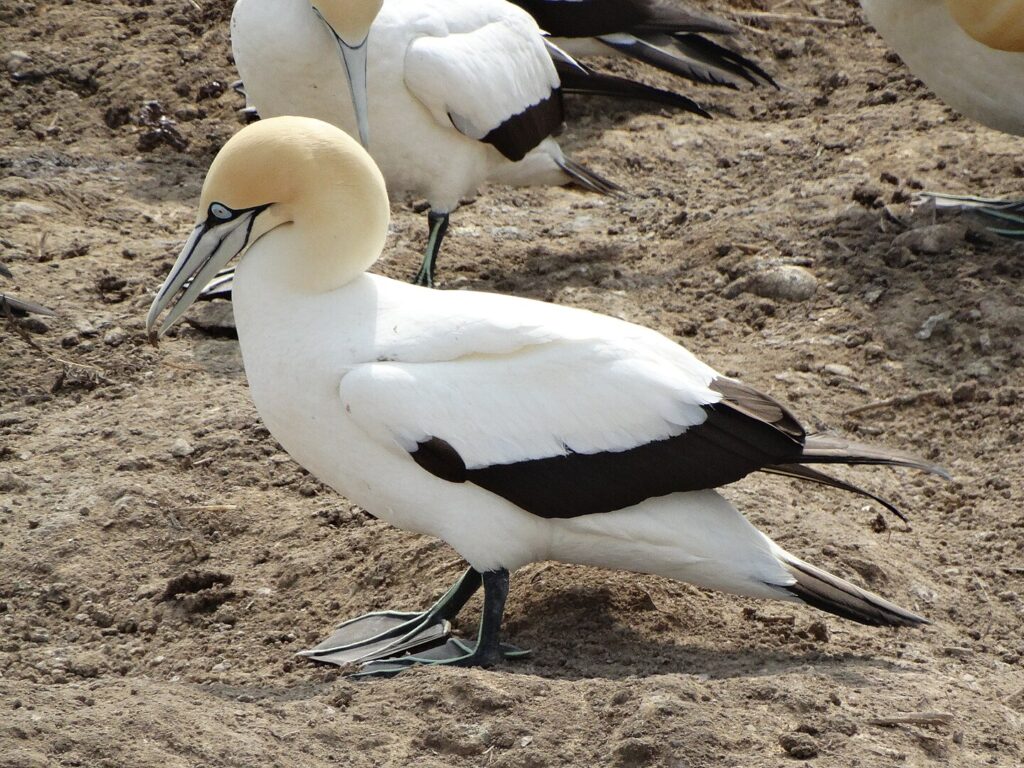
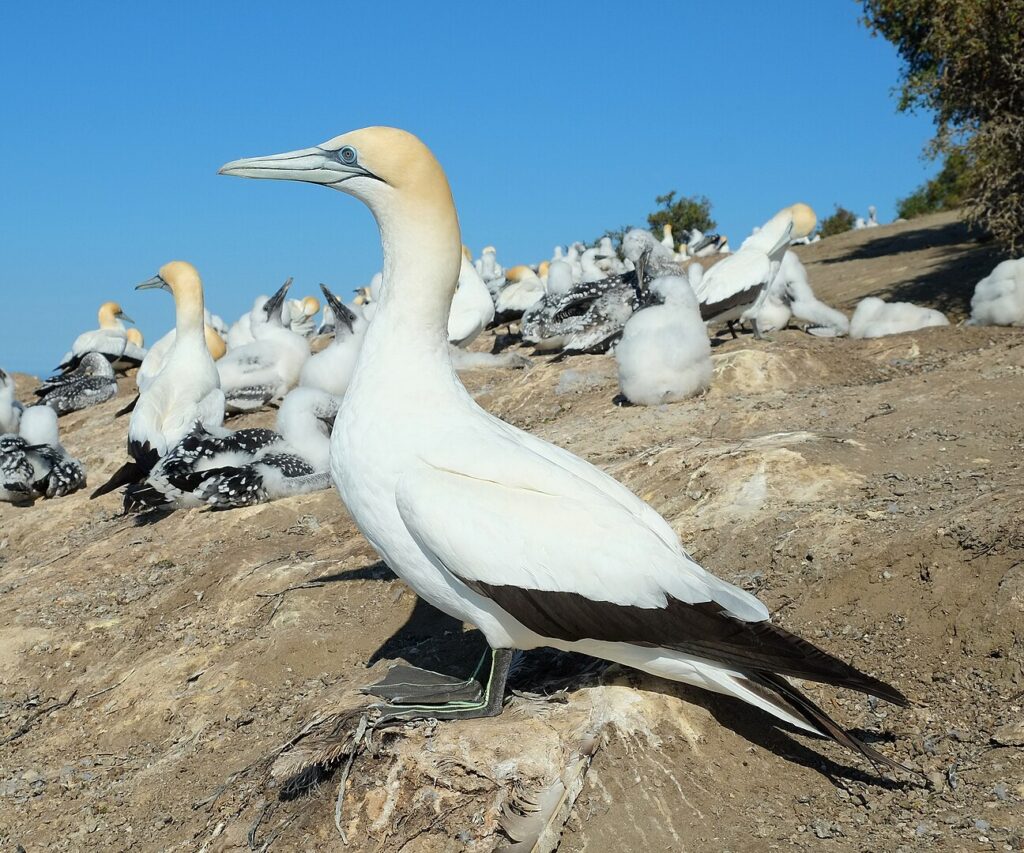
Cape Gannet
Location
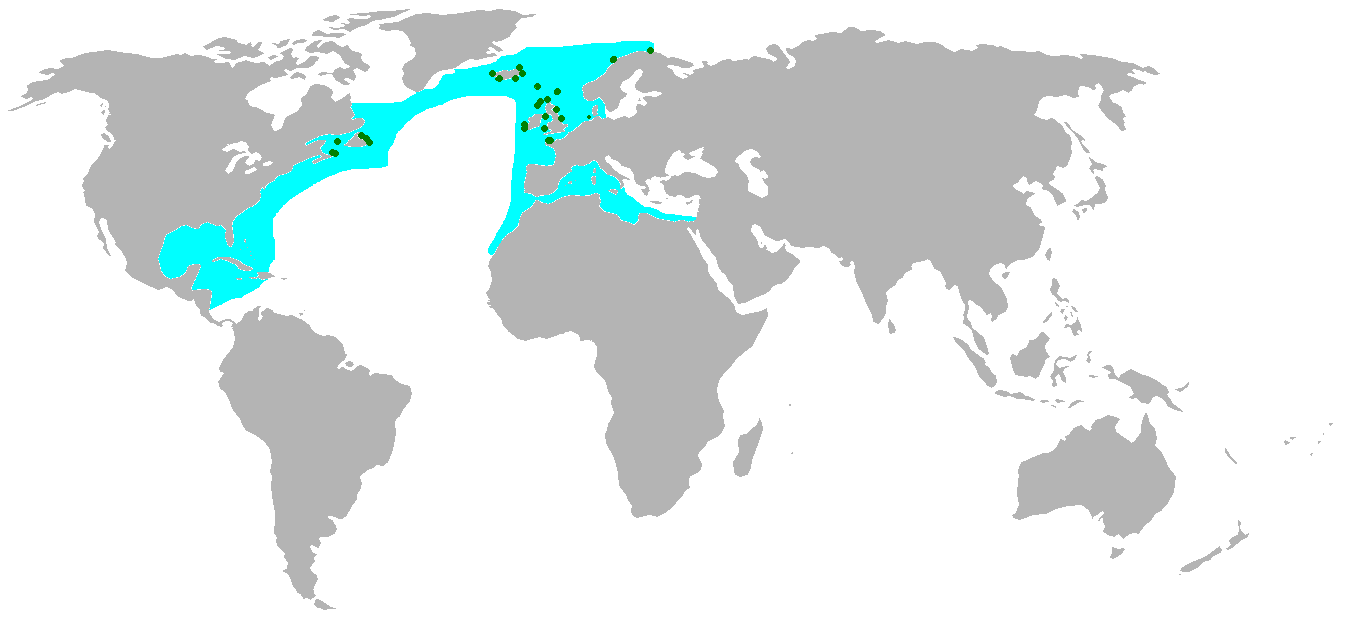
| Places | North and Central America, Europe, North Africa |
Fun Facts
- Gannets are like living missiles! They fold their wings and dive head-first into the ocean at speeds up to 60 mph to catch fish.
- To survive the huge splash, gannets have special air-sacs under their skin and a strong skull, acting like natural bubble wrap to cushion the impact.
- The dive only gets them partway, but gannets can use their wings and feet to swim even deeper, sometimes chasing fish over 70 feet (about 21 meters) below the surface!
- Gannets always nest in huge groups called colonies or “gannetries,” which are so packed together on sea cliffs and islands that it can be very noisy and crowded.
- Once a gannet chooses a mate, it is usually for life! They return to the same nest site every year and perform a special bill-fencing dance to greet each other.
Past Lessons
| 186 | October 8, 2025 | (North America) |