

Key Information
Chipmunks
| Species | 25 species |
| Diet | Herbivore |
| Length | 6 to 12 inches |
| Weight | 0.88 to 5.3 oz |
| Lifespan | About three years |
| Conservation Status | Varies |
| Classification | Mammalia > Rodentia > Sciuridae > Tamiina |
| Habitat | Woodlands and Forests |
Learning Point
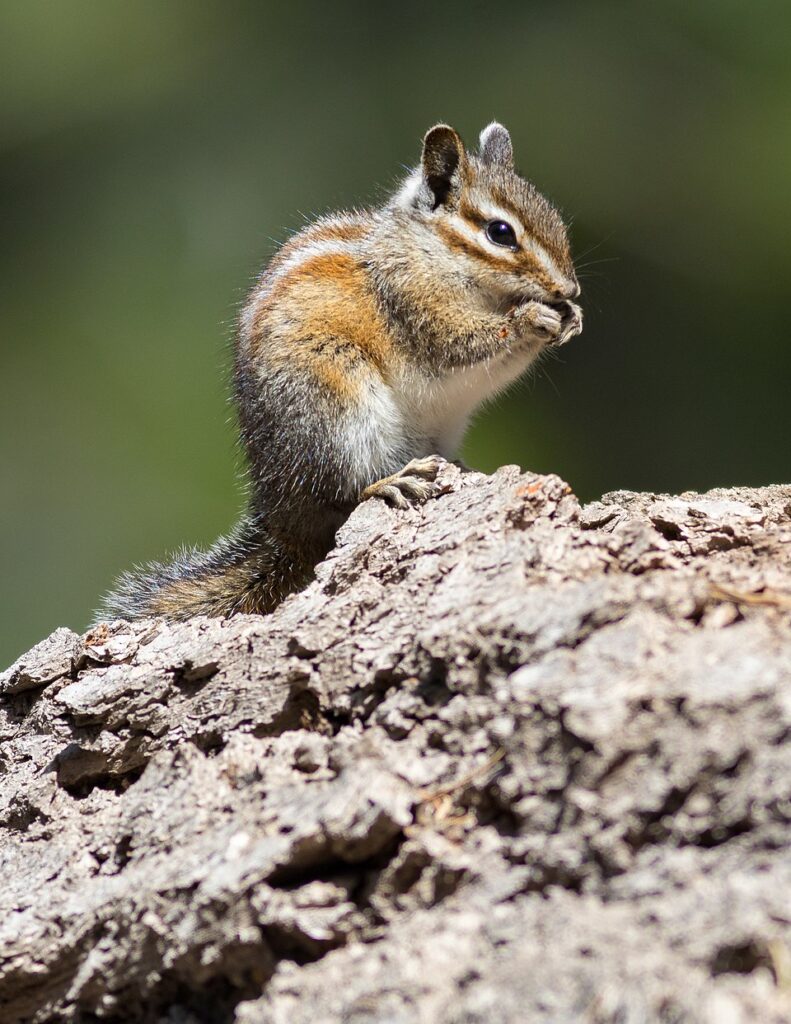
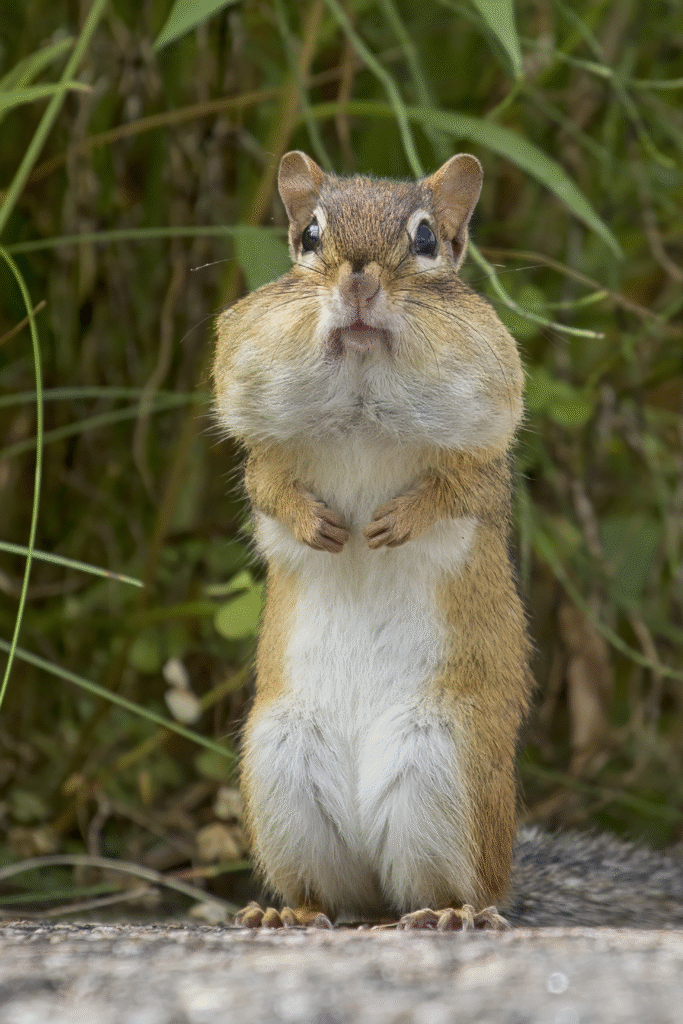
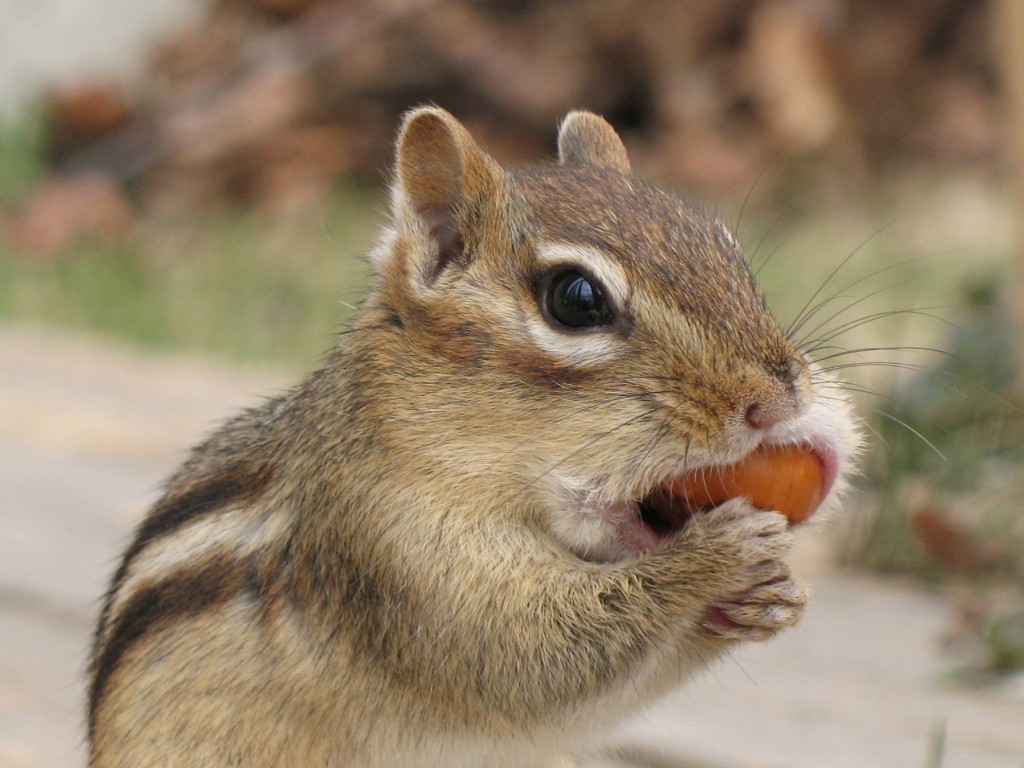
- Chipmunks are small, energetic rodents closely related to squirrels, instantly recognizable by the five dark stripes running down their back and face. Primarily found in North America, these animals are known for their incredible ability to gather and hoard food, using large, expandable cheek pouches to carry nuts, seeds, and berries back to their elaborate, underground burrows. They are active during the day, scurrying across the forest floor and up trees, but they spend the cold months in a state of deep sleep called torpor, waking periodically to snack on their stored supplies before dozing off again until spring.
Project
- Draw a chipmunk family.
- Overview
- X-Ray

Location

| Places (Eastern Chipmunk) | Eastern Canada and United States |
Fun Facts
- Chipmunks belong to the same scientific family as squirrels.
- Chipmunks have distinctive dark and light stripes that run down their backs and across their faces. These stripes help them blend in with trees and leaves to hide from predators.
- Their name might come from the sound they make! It sounds like they are saying “chip, chip,” or they make a loud, quick, bird-like sound called a “chipping” call.
- Chipmunks can stuff their cheeks with a surprising amount of food—sometimes as much as their entire body size!
- They dig complex underground homes called burrows with tunnels that can be over 30 feet long.
Past Lessons
| 185 | October 1, 2025 | (North America) |