Shooting Stars
- Type
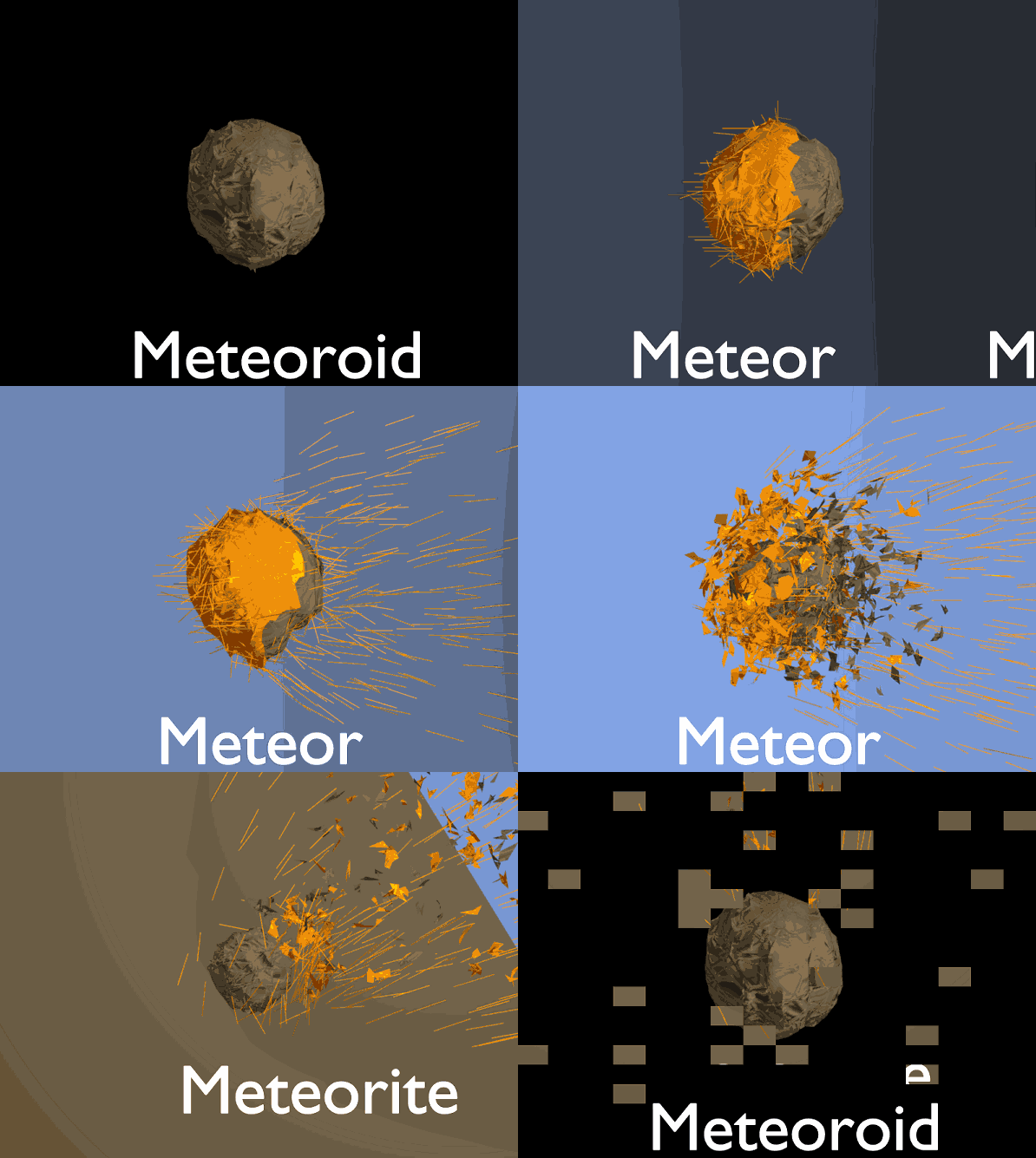
- Rocky or metallic objects that burn up in the Earth's atmosphere
- Other Names
- Falling star, meteoroid (in space), meteor (in atmosphere), meteorite (on ground)
- Speed
- At least 45,000 mph
- Amount
- 25 million or more per day
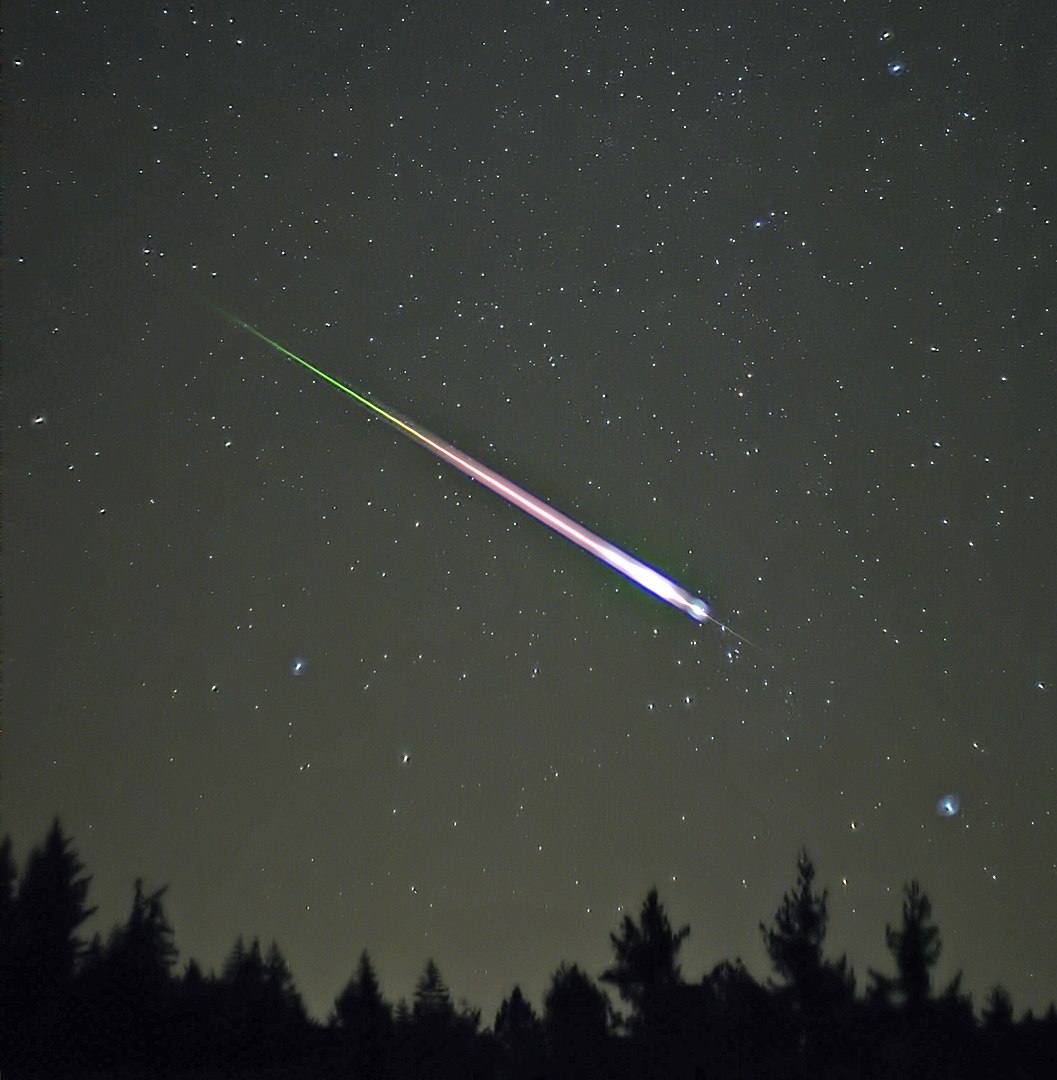
- We all see Shooting Stars, officially called "meteors", in the night sky, and at certain times of the year we see more than normal. Understanding what they are and where they come from can help us understand the various parts of our Solar System.
- Draw shooting stars in the night sky over your house.
- Located in
- Earth, Solar System
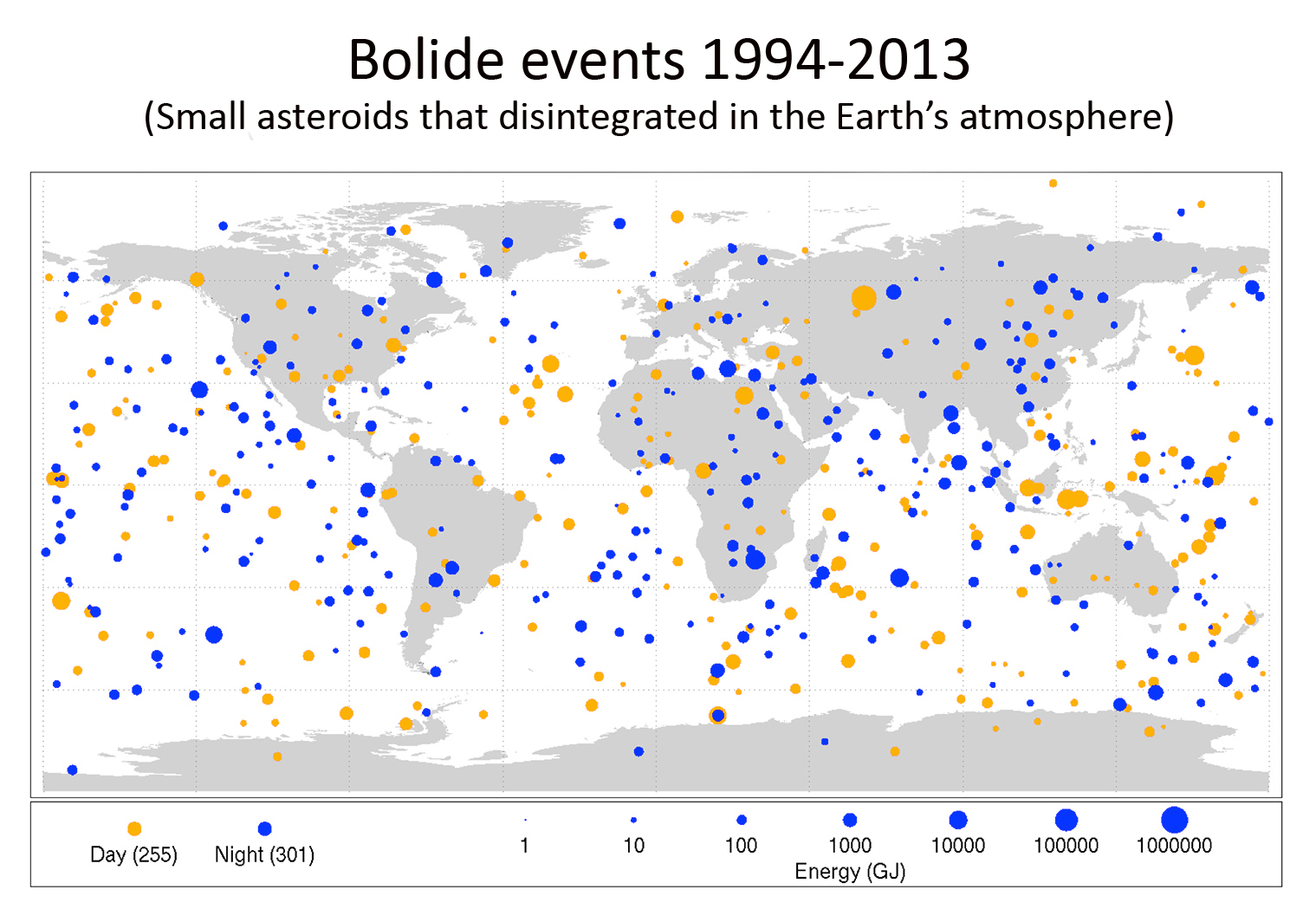
- 25 million meteoroids and pieces of space debris hit the Earth's atmosphere every day.
- Asteroid 2008 TC3 (13 ft in diameter) was observed in space on a collision course with Earth on 6 October 2008 and entered Earth's atmosphere the next day, striking a remote area of northern Sudan.
- An especially bright meteor is called a "fireball", and brighter ones are called a "bollide" or "superbollide".
- A meteor shower is the result of an interaction between a planet, such as Earth, and streams of debris from a comet or other source.
- The colors a meteor creates as it enters the atmosphere show the various elements it is heating up: Orange-yellow (sodium), Yellow (iron), Blue-green (magnesium), Violet (calcium), Red (nitrogen and oxygen from the atmosphere).