Enceladus
- Type
- Moon (of Saturn)
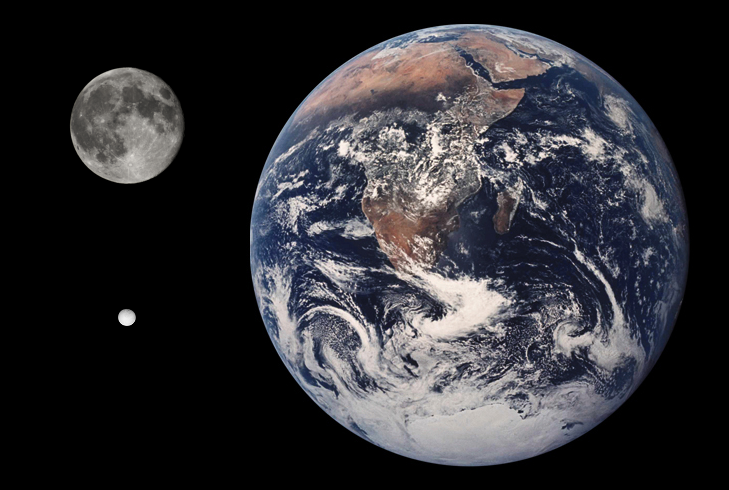
- Diameter
- 318.9 miles
- Distance from Saturn
- 147,854 miles
- Orbit Time
- 1.370 days
- Length of Day
- 1.370 days
- Time around Sun
- 29.4571 Earth years
- Atmosphere
- 91% water vapor, 4% nitrogen, 3.2% carbon dioxide, 1.7% methane
- Temperature
- -198 to -400 °F
- Date of Discovery
- August 28, 1789, William Herschel
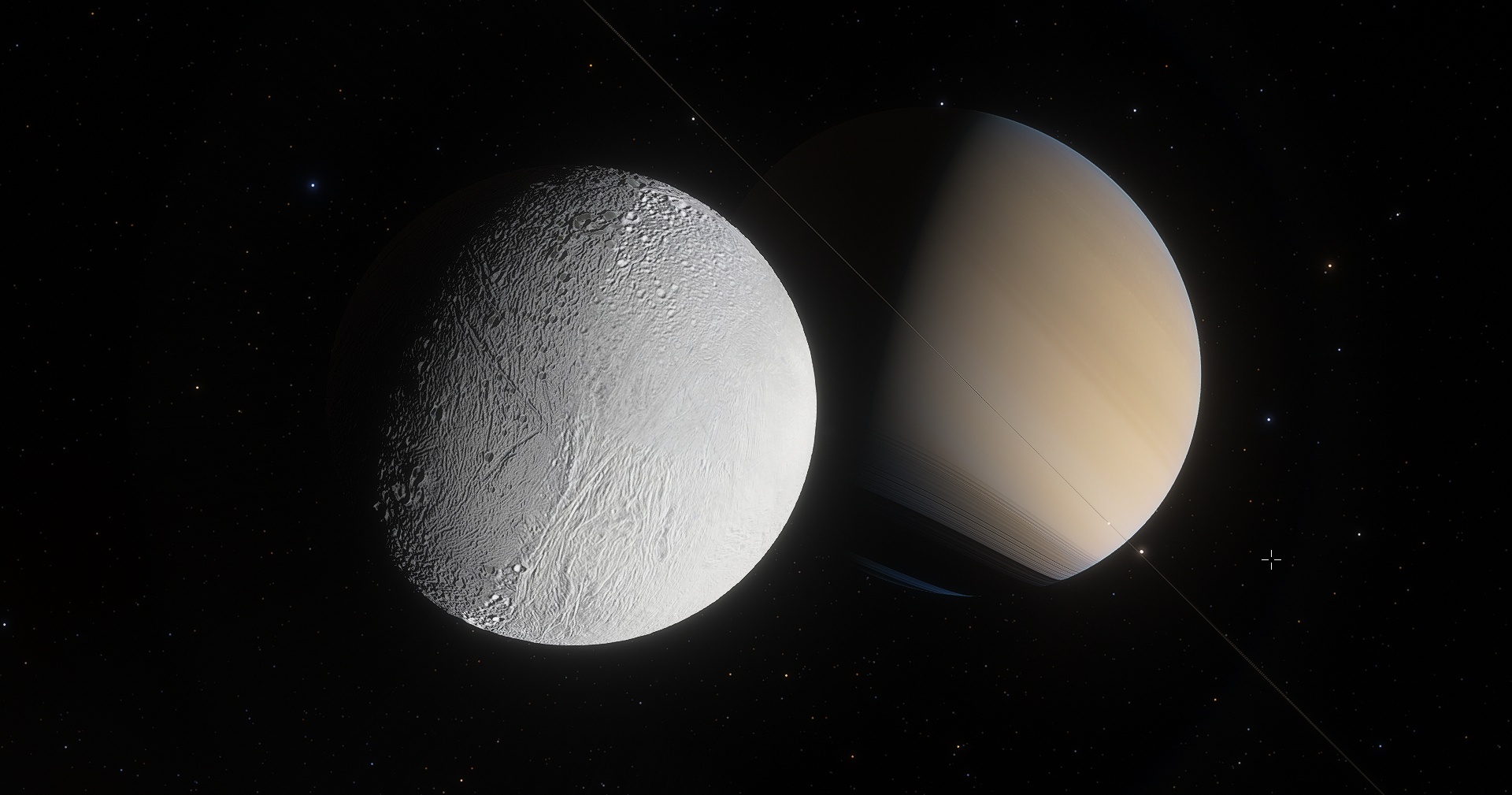
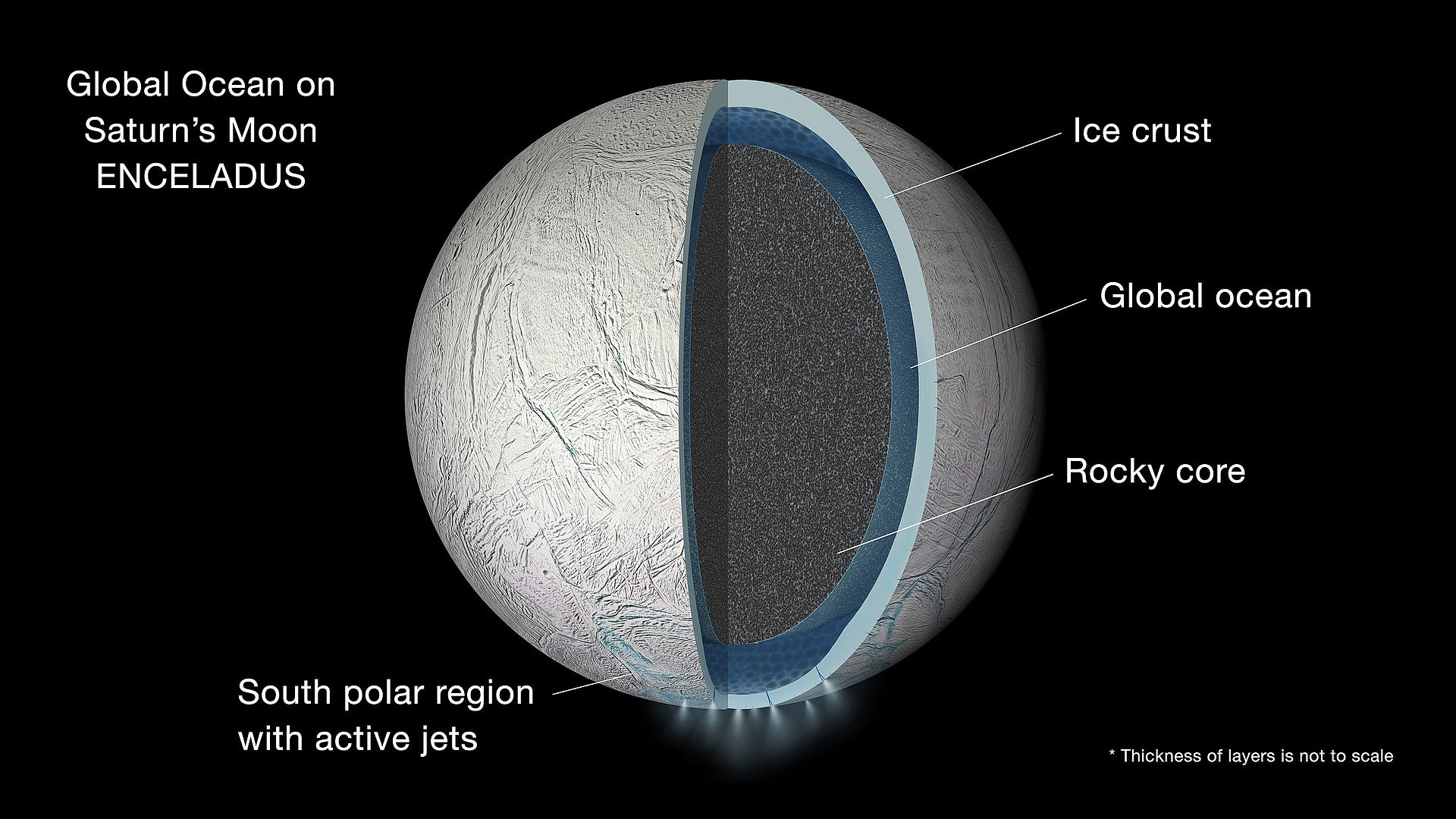
- One of the major moons of Saturn, Enceladus is still considerably smaller than the largest moon Titan. It is thought to have a liquid ocean below the surface, and has been found to have active cryovolcanoes, with plumes of ice and water visible on many images taken by Cassini.
- Draw Enceladus with its cryovolcanoes orbiting Saturn.
- Located in
- Solar System, orbiting Saturn
- Enceladus is the 6th largest moon of Saturn, and the 19th largest in the Solar System.
- The moon is know to have cyrovolcanoes, volcano-like eruptions of water and ice from below the surface.
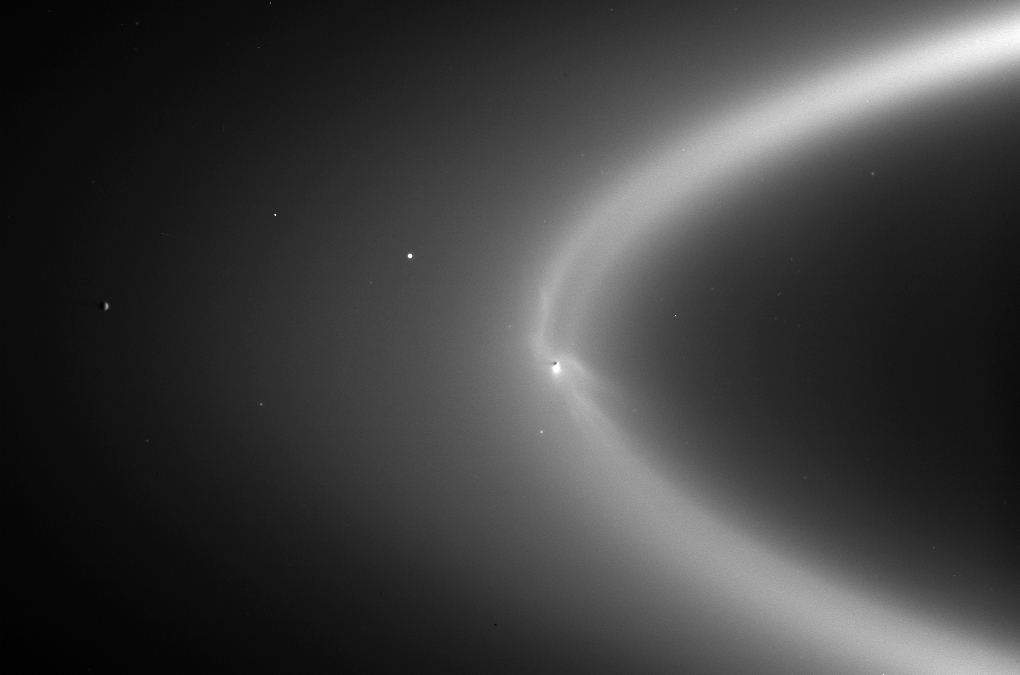
- The escaping ice and water from the moon is thought to be the source of the E ring of Saturn.
- The source of the cryovolcanoes on Enceladus is thought to be movement of the surface, creating heat that allows warmer water and ice to move to the surface.