

Key Information
Vesta
| Type | Asteroid |
| Diameter | 355.8 miles by 346.2 miles by 277.4 miles |
| Distance from the Sun | 219,542,096 miles |
| Orbit Time | 3.63 years |
| Length of Day | 5.342 hours |
| Temperature | -324 to -9 °F |
| Atmosphere | None |
| Date of Discovery | March 29, 1870 (Heinrich Wilhelm Olbers) |
| Moons | None |
Learning Point
- Vesta is the second largest object in the asteroid belt, and slightly too small to be able to classified as a dwarf planet. It was the fourth asteroid to be discovered, and has been visited by the Dawn spacecraft which has provided us a lot of information about it.
Project
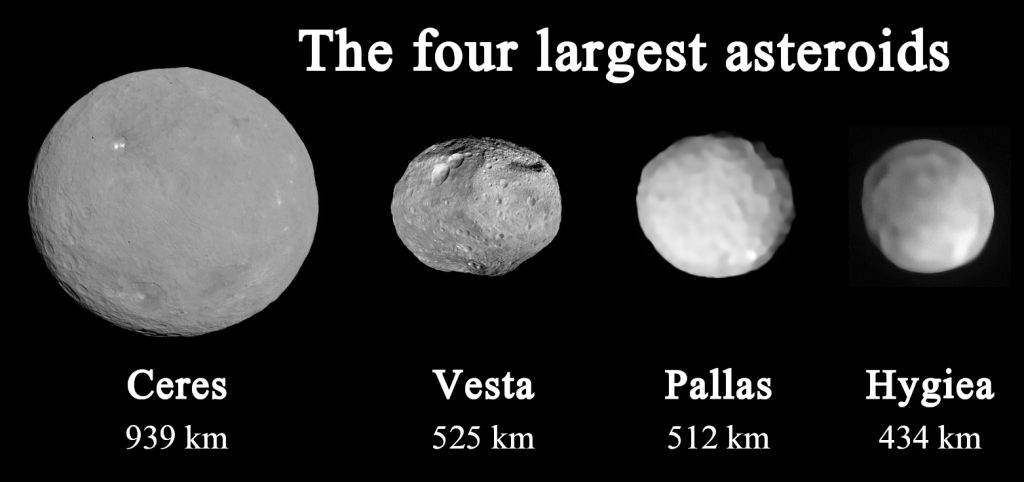
- Research the biggest asteroids and show where Vesta is on the list.
- Overview
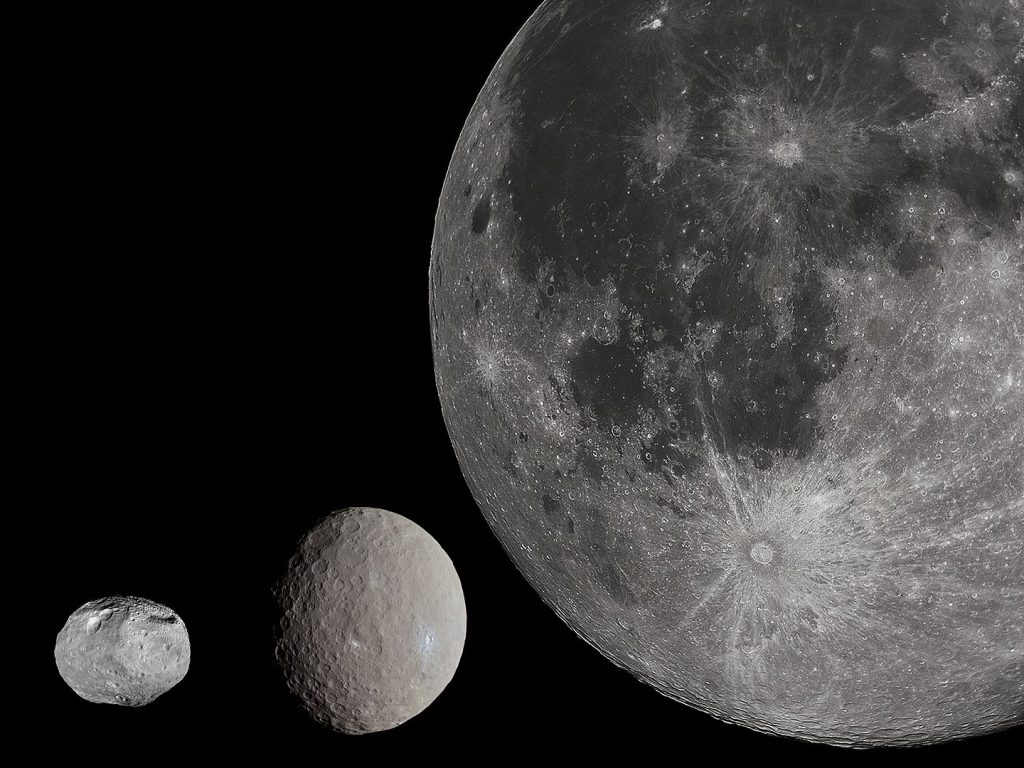
- Comparison
- Largest Asteroids



Location
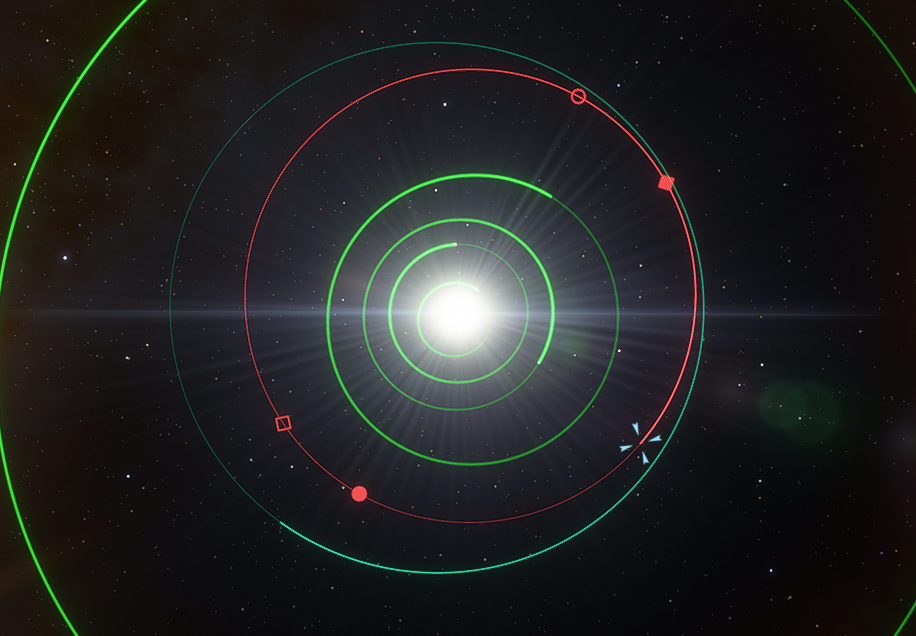
| Located in | Solar System, orbiting the Sun |
Fun Facts
- Vesta is just too small to become spherical, and so can’t currently be classed as a dwarf planet.
- When it was discovered, Vesta was viewed as a planet, and it was only after fifteen of the minor planets or asteroids were discovered that the term asteroid was created and used for then.
- Vesta was also the first of the asteroids to have its mass measured, thanks to the way other nearby asteroids interact with it.
- Though Vesta is the second largest object in the asteroid belt, it is only 28% the size of Ceres, the largest in the belt.
Past Lessons
| 85 | April 1, 2024 | (North America) |