

Key Information
The Inner Planets
| Types | All Rocky Planets |
| Diameter | 3,032 miles (Mercury), 7,520 miles (Venus), 7,926 miles (Earth), 4,212 miles (Mars) |
| Distance from the Sun | 35,983,125 miles (Mercury), 67,237,334 miles (Venus), 92,955,902 miles (Earth), 141,634,955 miles (Mars) |
| Orbit Time | 87.909 days (Mercury), 224.701 days (Venus), 365.24 days (Earth), 686.98 days (Mars) |
| Length of Day | 58.646 days (Mercury), 243.022 days (Venus), 24 hours (Earth), 24 hours 39 minutes (Mars) |
| Temperature | -292 to 806 °F (Mercury), 867 °F (Venus), -128 to 131 °F (Earth), -226 to 95 °F (Mars) |
| Atmosphere | Thin (Mercury), Thick (mainly carbon dioxide) (Venus), nitrogen, oxygen (Earth), mainly carbon dioxide (Mars) |
| Moons | None (Mercury & Venus), 1 (Earth), 2 (Mars) |
Learning Point
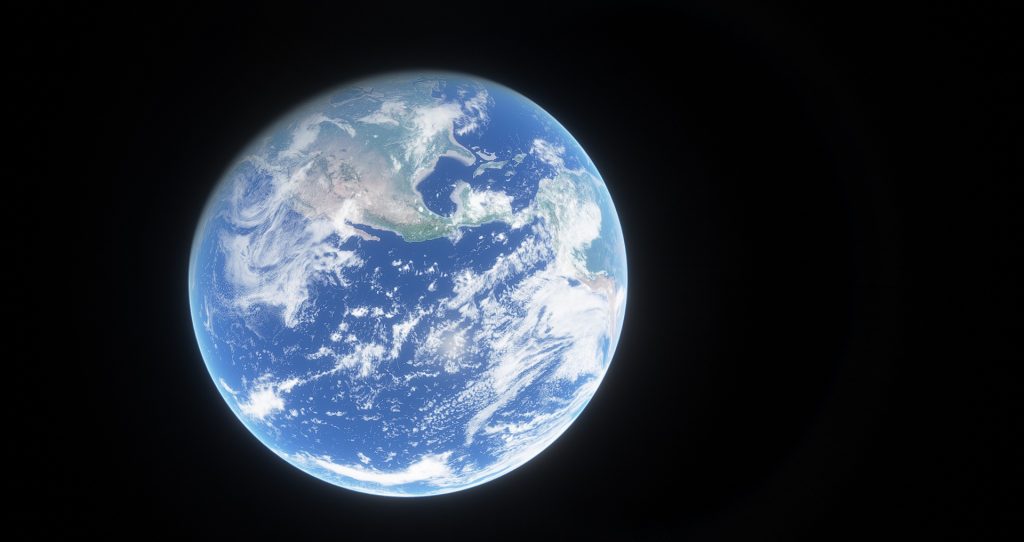
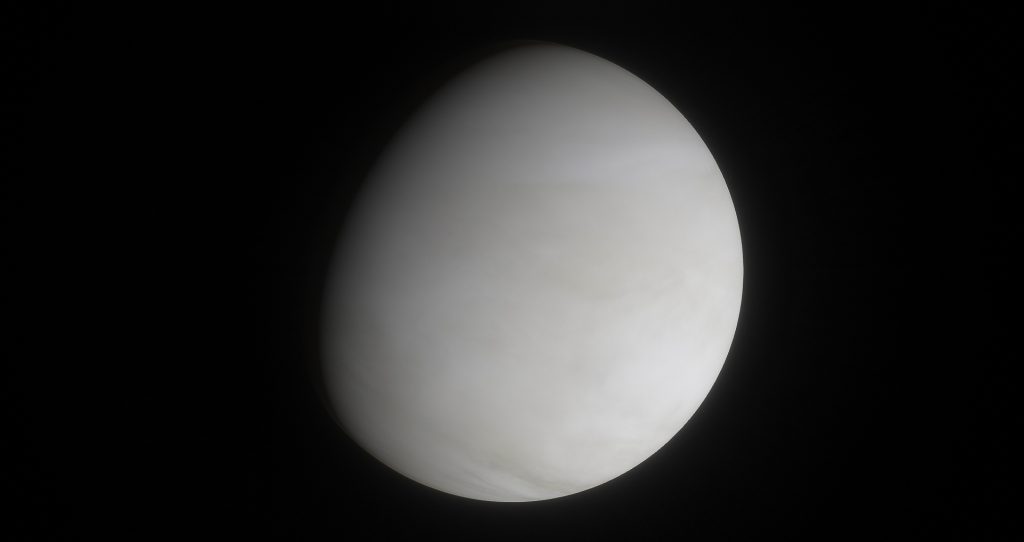
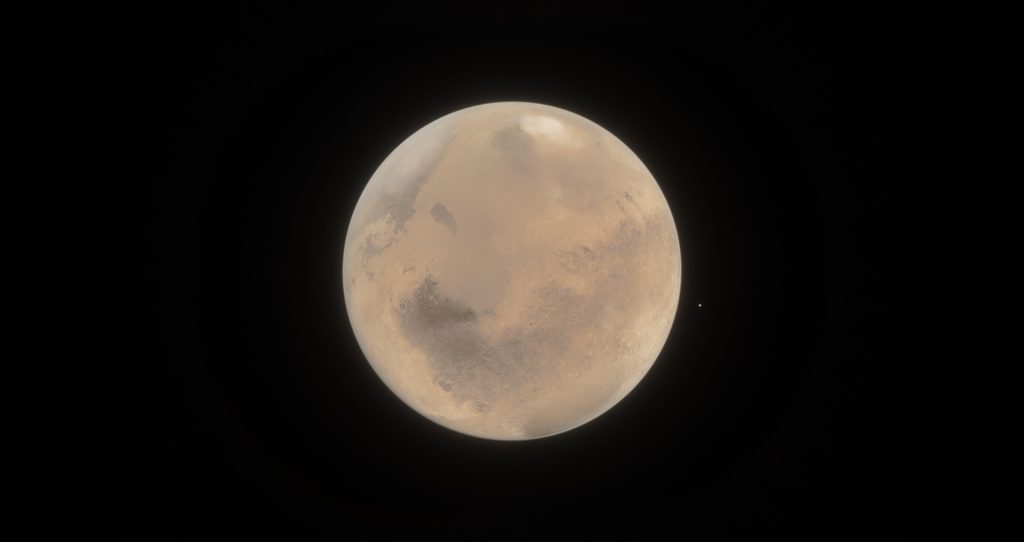
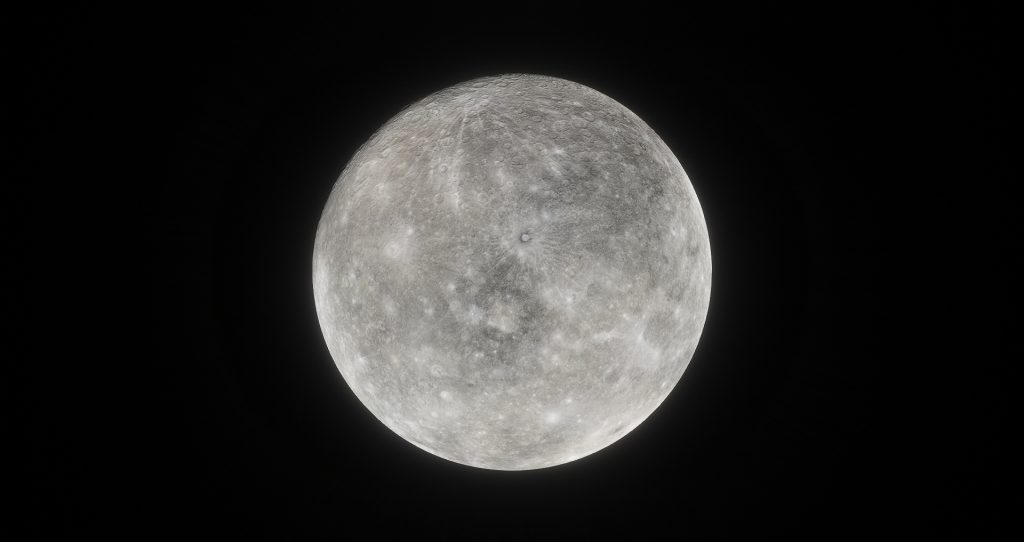
- The Inner Planets, sometimes called the Terrestrial Planets, are the four rocky planets nearest the Sun. They are Mercury, Venus, Earth and Mars. They are all different, and are all affected by the heat of the Sun in different ways. Only Earth can support life, and Venus and Mercury are especially dangerous places for humans to try and explore.
Project
- Draw the four inner planets.
- Overview
Location

| Located in | Our Solar System |
Fun Facts
- Mercury moves around the Sun in almost 88 days, and has a very hot side facing the Sun, and a cold side facing away from it.
- Venus is the hottest planet, covered in a cloud and atmosphere that is thicker than Earth, though the planet is slightly smaller than ours.
- Earth is our home, is designed for life, and is the only place where liquid water exists on the surface of the planet.
- Mars is a smaller planet, similar in some ways to Earth, but colder and has an atmosphere that is not suitable for us to breathe.
Past Lessons
| 1 | June 4, 2024 | (North America) |