

Key Information
The Gas Giants
| Types | Gas Giants (and Ice Giants) |
| Diameter | 86,882 miles (Jupiter), 74,896 miles (Saturn), 31,518 miles (Uranus), 30,598 miles (Neptune) |
| Distance from the Sun | 483,724,424,361 miles (Jupiter), 890,424,918 miles (Saturn), 1,783,939,065 miles (Uranus), 2,796,170,365 miles (Neptune) |
| Orbit Time | 11.862 years (Jupiter), 29.4571 years (Saturn), 84.02 years (Uranus), 164.8 years (Neptune) |
| Length of Day | 9 hours 55 minutes (Jupiter), 10 hours 32 minutes (Saturn), 17 hours 14 minutes (Uranus), 16 hours 6 minutes (Neptune) |
| Temperature | -162 °F (Jupiter), -301 °F (Saturn), −322 °F (Uranus), -330 °F (Neptune) |
| Atmosphere | Hydrogen, helium, methane (Jupiter, Saturn, Uranus, Neptune), |
| Moons | 95 (Jupiter), 146 (Saturn), 28 (Uranus), 16 (Neptune) |
Learning Point
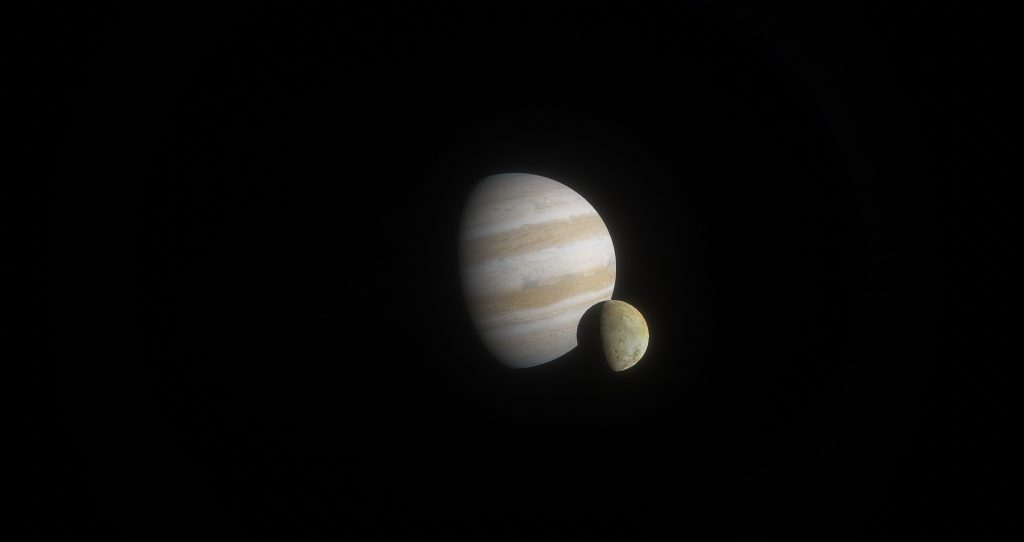
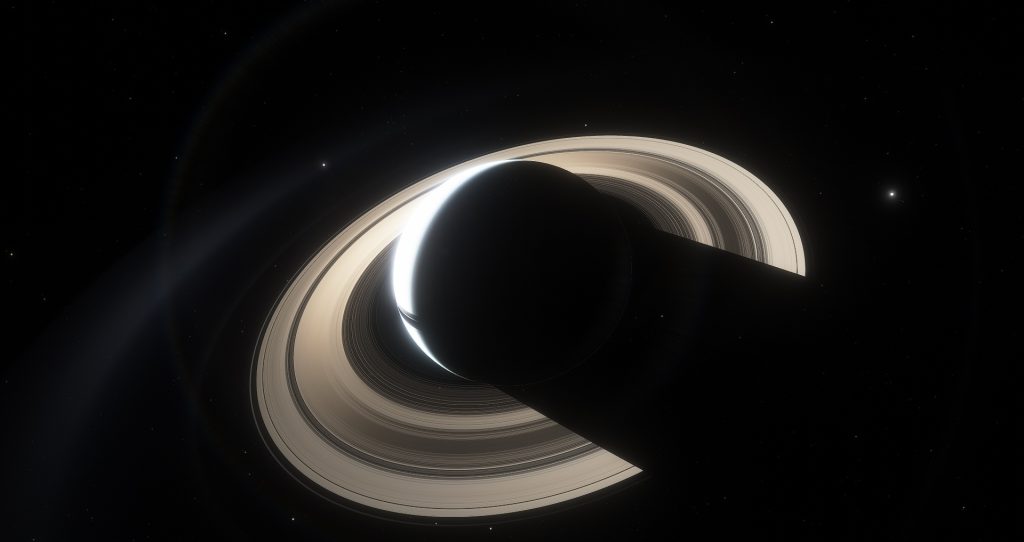
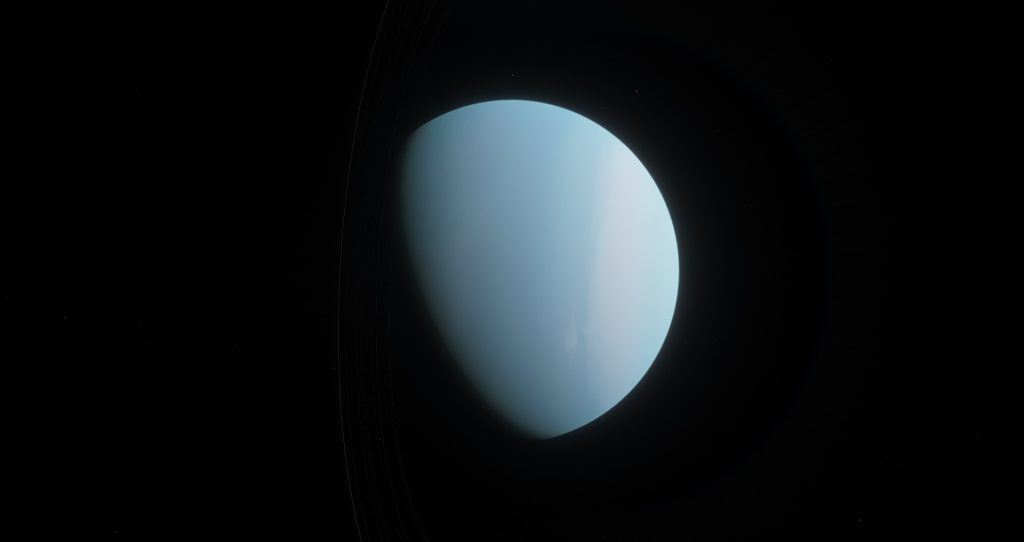
- The four Gas Giants, sometimes called the Outer Planets, are the biggest planets in our Solar System. Jupiter, Saturn, Uranus and Neptune all contain hydrogen, helium, methane and other gases, though the amounts vary from planet to planet. Jupiter especially dominates all the other planets, keeping the Solar System in order. All the gas giants have many moons.
Project
- Draw a picture of the four gas giants.
- Overview

Location

| Located in | Our Solar System |
Fun Facts
- Jupiter has 95 moons, a thin ring, and is the largest planet in the Solar System.
- Saturn is famous for its rings, and also has 146 moons, and has such low density that it would float on water.
- Uranus was the first planet discovered by telescope, and is famous for being on its side, and is also called an Ice Giant.
- Neptune is the only planet we can’t see without a telescope, and is also an Ice Giant planet.
Past Lessons
| 2 | June 11, 2024 | (North America) |