

Key Information
Iguanodon
| Species | Iguanodon bernissartensis, Iguanodon anglicus, Iguanodon galvensis |
| Diet | Herbivore |
| Height | 12 to 13 ft |
| Length | 30 to 36 ft |
| Weight | 5 tonnes |
| Timescale | Early Cretaceous |
| Classification | Ornithischia > Ornithopoda > Iguanodontidae |
| Similar Species | Mantellisaurus, Barilium, Hypselospinus |
Learning Point
- The Iguanodon was one of the first dinosaurs discovered and described, and was for a time thought to be a carnivore, until Gideon Mantell proved clearly that it was a herbivore.
Project
- Draw an Iguanodon feeding.
- Overview
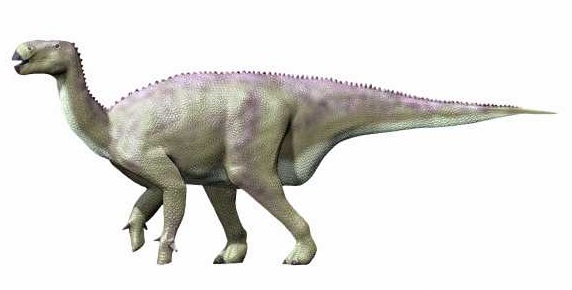
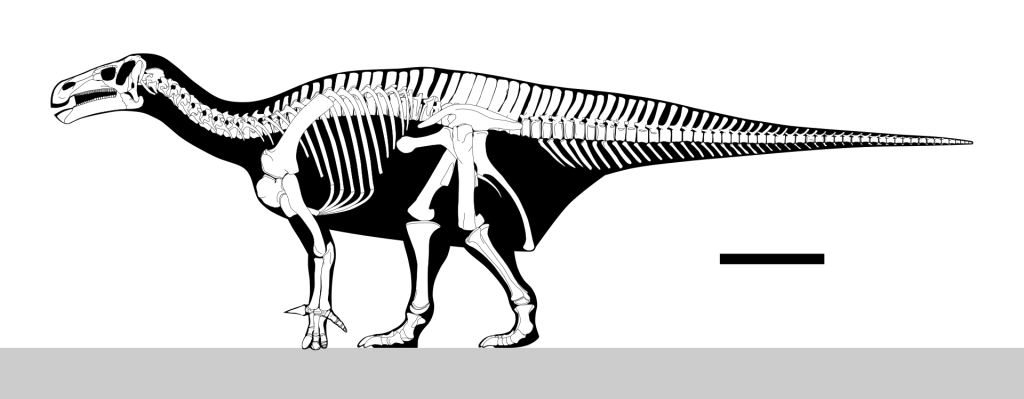
- X-Ray
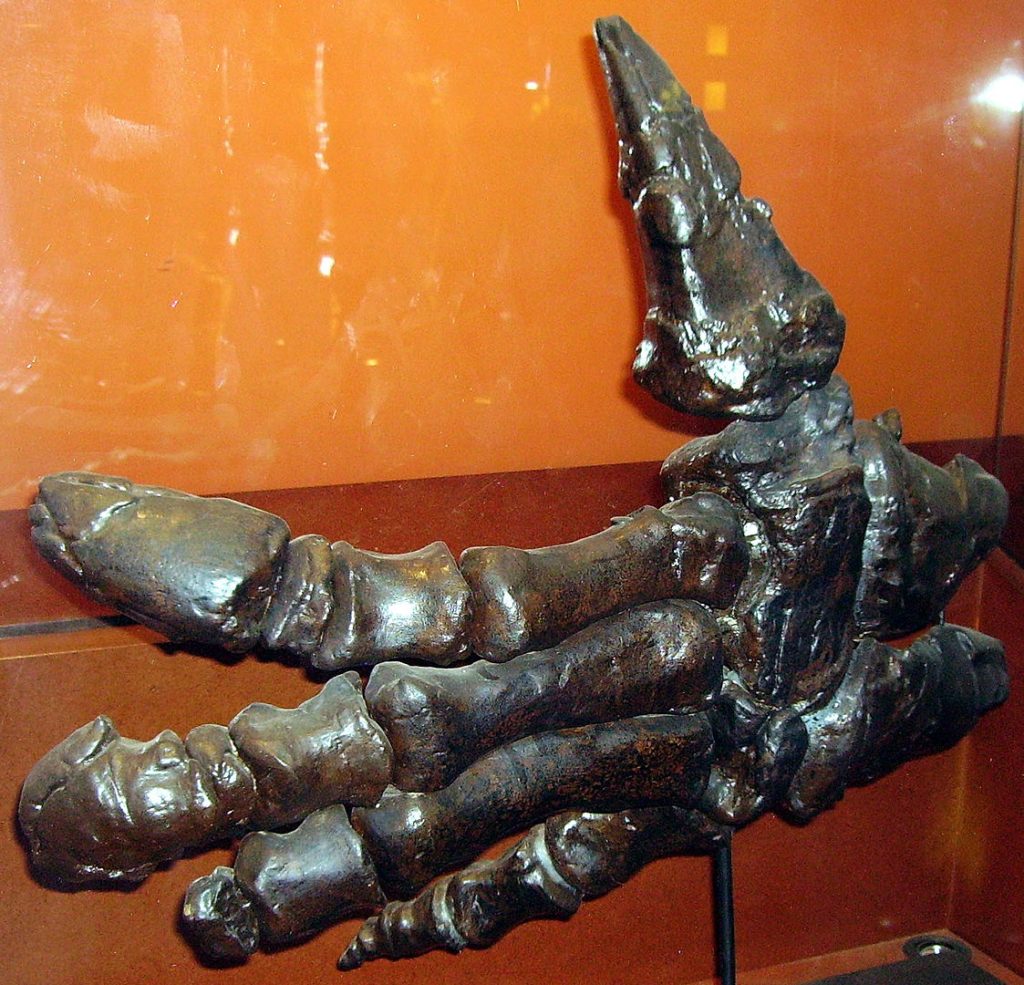
- Thumb


Location
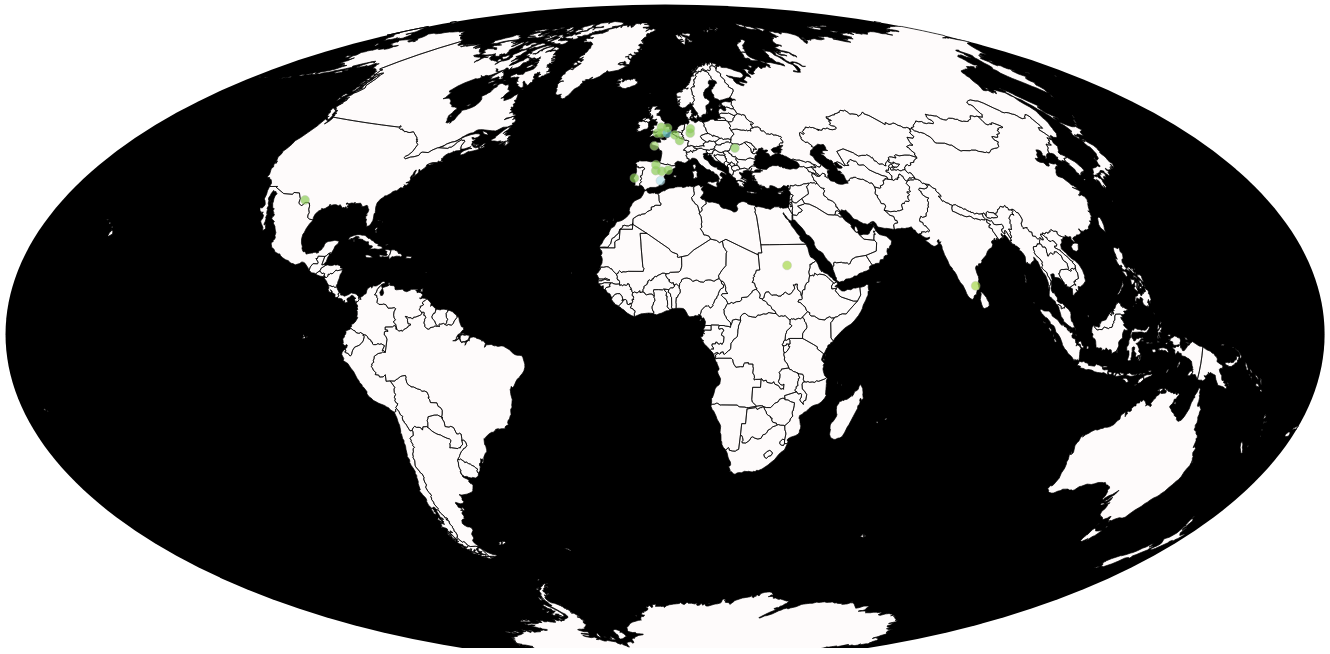
| Confirmed | Europe |
Fun Facts
- The name Iguanodon means “iguana tooth” in Greek.
- The first bones were discovered in 1825, and were named Iguanodon after it was noticed the teeth resembled those of iguanas.
- Though first thought to walk on its back legs only, now it has been demonstrated that it would have walked on both two legs and four legs, switching between them as needed.
- Many different species have been assigned to Iguanodon, and in some cases, later seen to be separate species.
- In 1878 in a coal mine at Bernissart in Belgium, 38 different Iguanodon fossils were found, with many more possibly waiting to be discovered.
Past Lessons
| 32 | December 23, 2022 | (North America) |
| 157 | July 15, 2024 | (North America) |
| 202 | September 1, 2025 | (North America) |