

Key Information
Boomerang Nebula
| Type | Protoplanetary Nebula |
| Diameter | 1 light year |
| Distance | 5,000 light years |
| Date of Discovery | Possibly 1980 |
| Other Names | Bow Tie Nebula, Centaurus Bipolar Nebula, LEDA 3074547 |
Learning Point
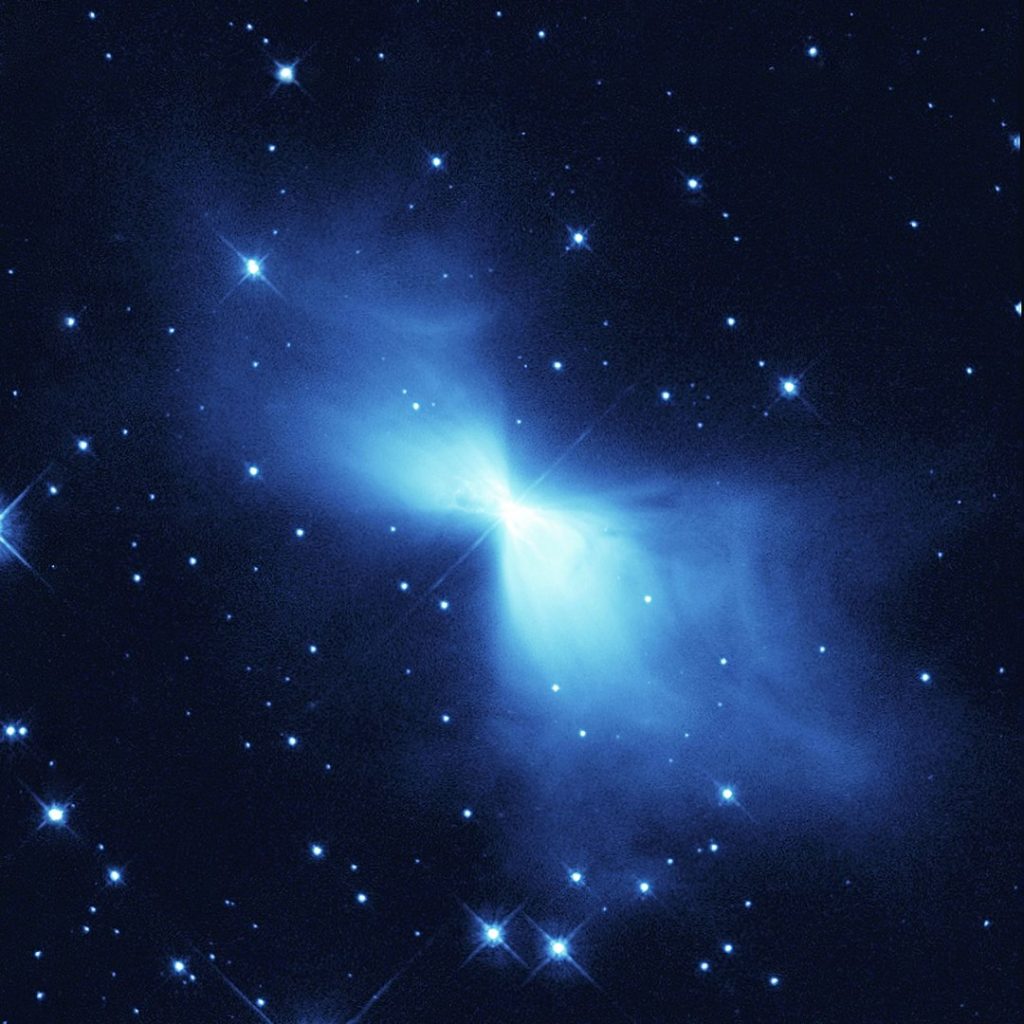
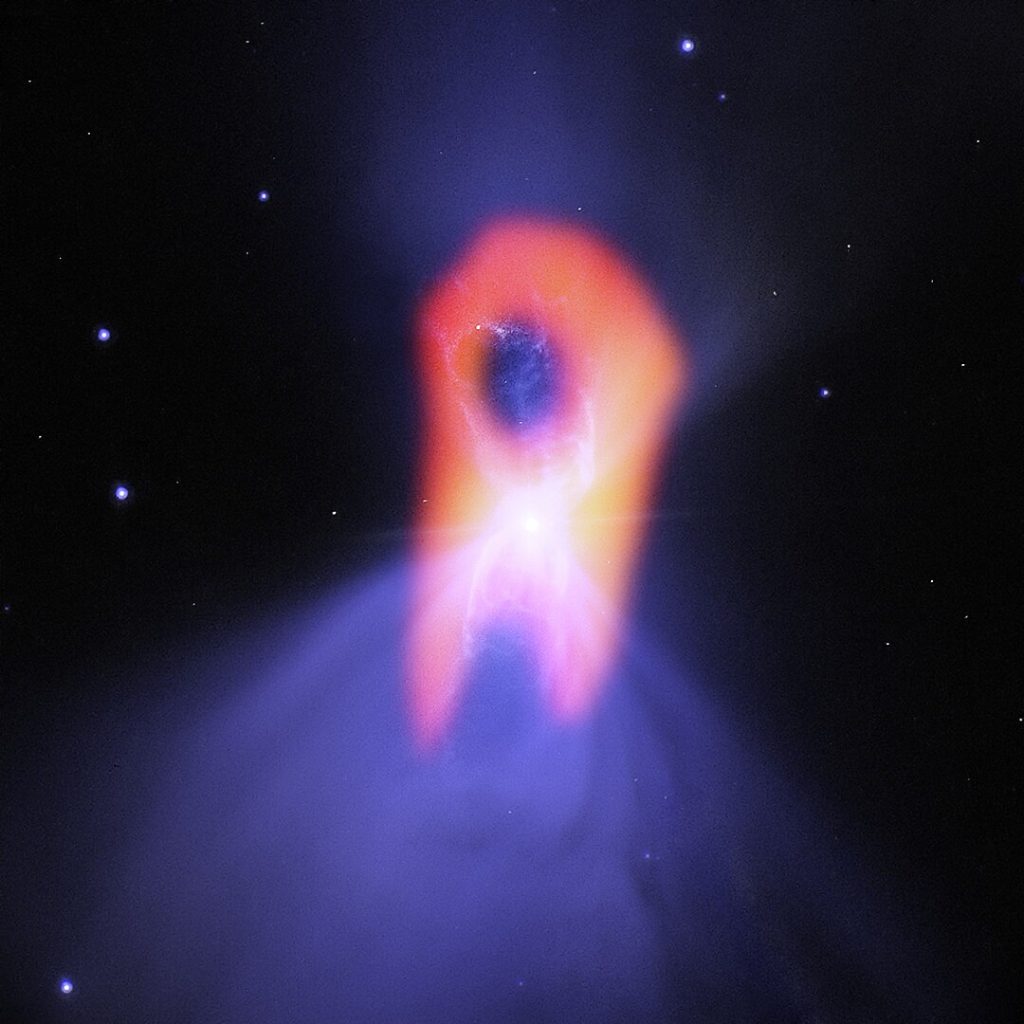
- The Boomerang Nebula is a protoplanetary nebula that looks like an hourglass or bow tie in shape. It was observed in the 1980s and is now known to the home of a dying red giant star. The nebula is the coldest natural place in the universe, just 1 degree above absolute freezing.
Project
- Draw a picture of the red giant star and the Boomerang Nebula.


Location
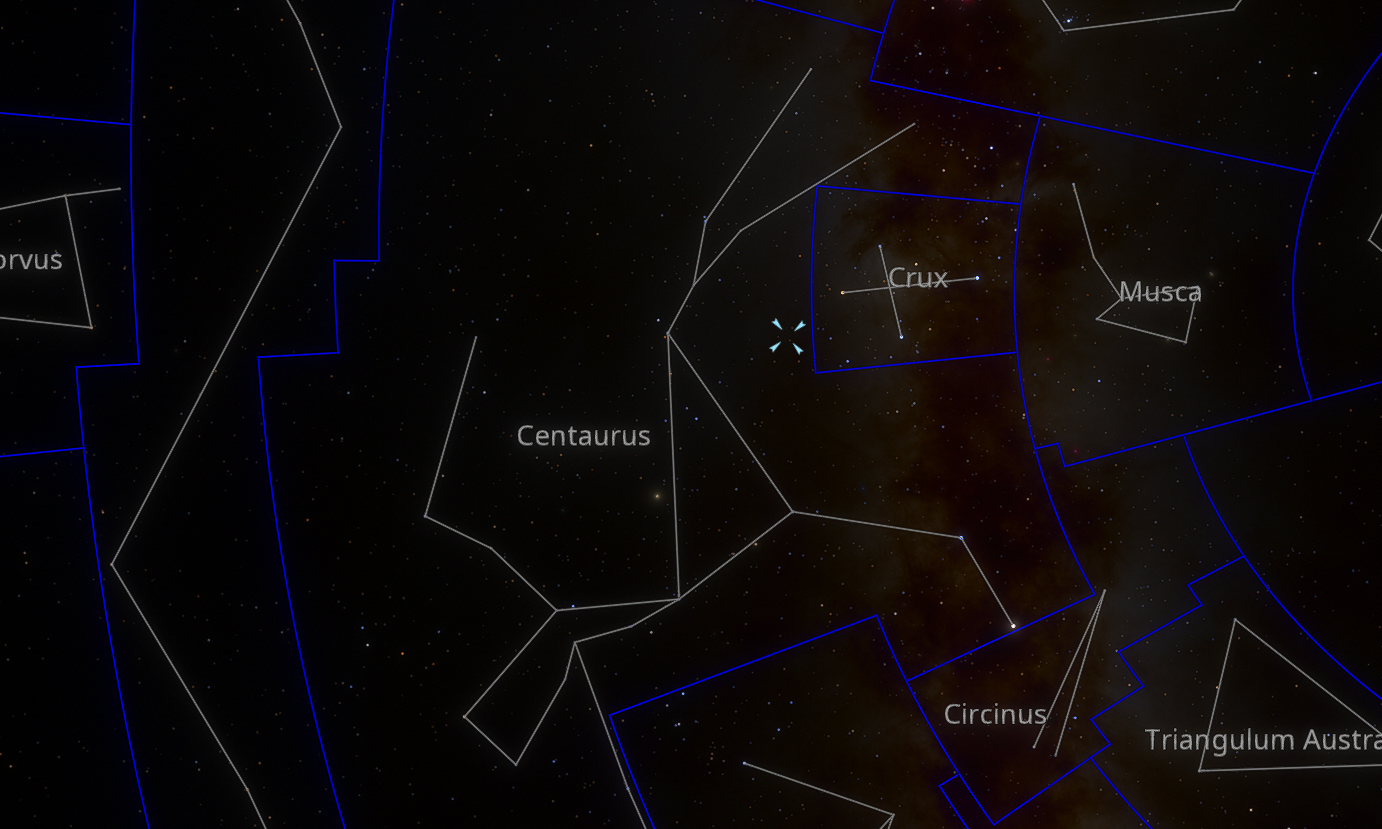
| Located in | Centaurus constellation, within the Milky Way |
Fun Facts
- The background radiation of the universe is warmer than this nebula.
- It was described as a boomerang shape because the astronomers observing it thought it looked bent, but they were mistaken and it is very symmetrical.
- Protoplanetary is not to do with planet creation, but the stage before some stars ‘die’ and all that remains is the gas that it was made up of.
- This stage doesn’t last for long, just a few thousand years or so.
Past Lessons
| 173 | April 16, 2024 | (North America) |