

Key Information
Great Red Spot
| Type | Planet |
| Diameter | 86,882 miles |
| Distance from Sun | 483,724,424,361 miles |
| Orbit Time | 11.862 years |
| Length of Day | 9 hours 55 minutes |
| Temperature | -162 °F |
| Atmosphere | Hydrogen, helium, methane and other elements |
| Date of Discovery | Unknown |
| Moons | 95 |
| Spot Size | Varies – Currently: 10,160 miles (2017) |
Learning Point
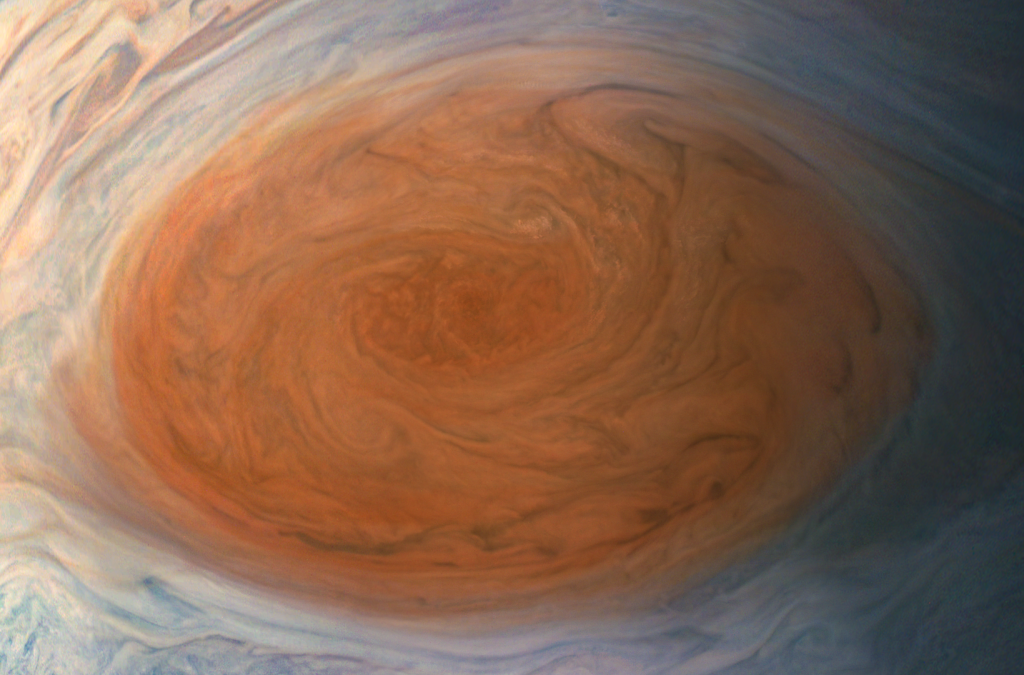
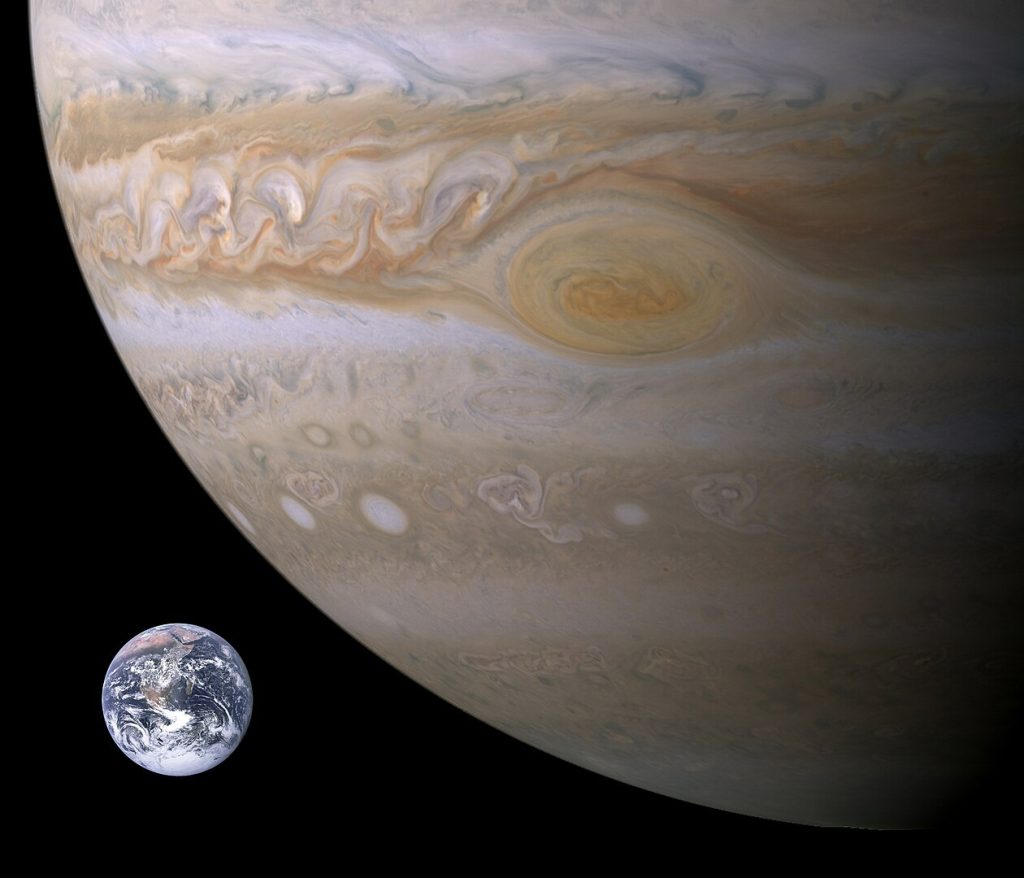
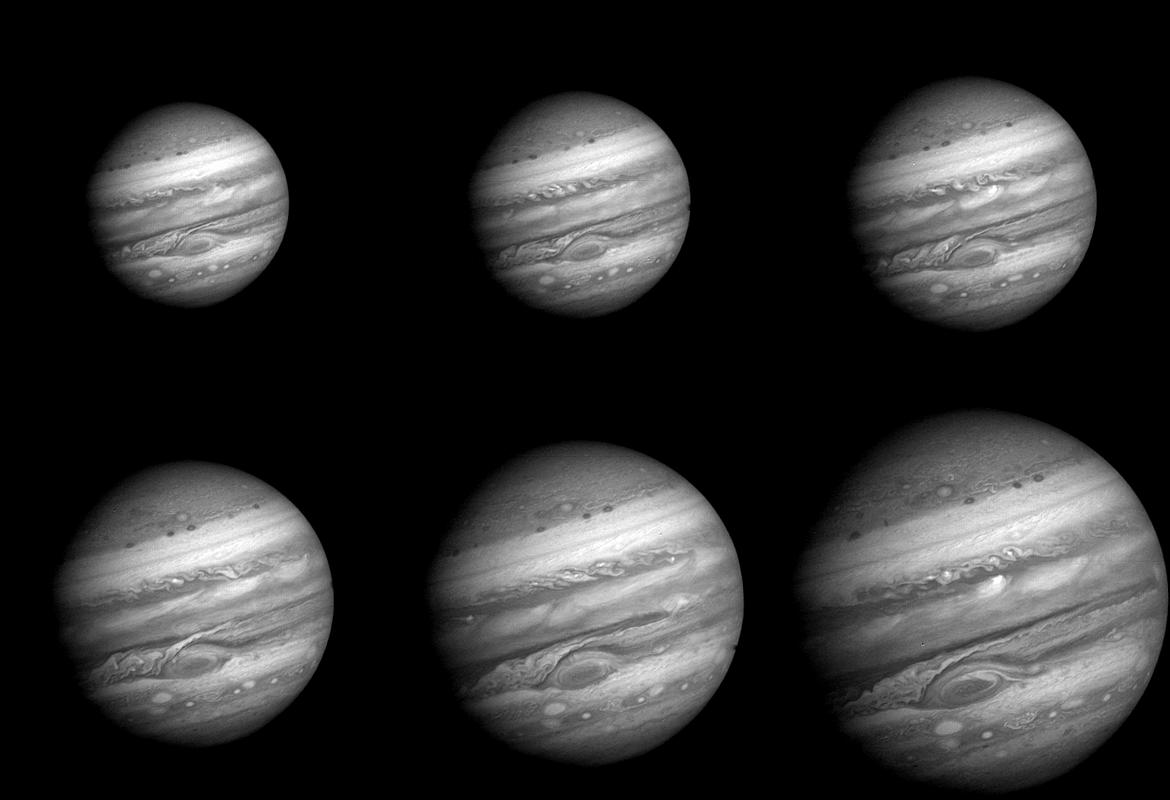
- The Great Red Spot has been seen in various forms on the surface of Jupiter since the early days of telescopes, with the storm slowly changing over the course of the past two hundred years of observations. It is immense, bigger than Earth, but isn’t a permanent feature of Jupiter.
Project
- Identify when it was first found, and any unusual issues with the first observations.
- Overview
- Comparison
- Timelapse
.png)

Location
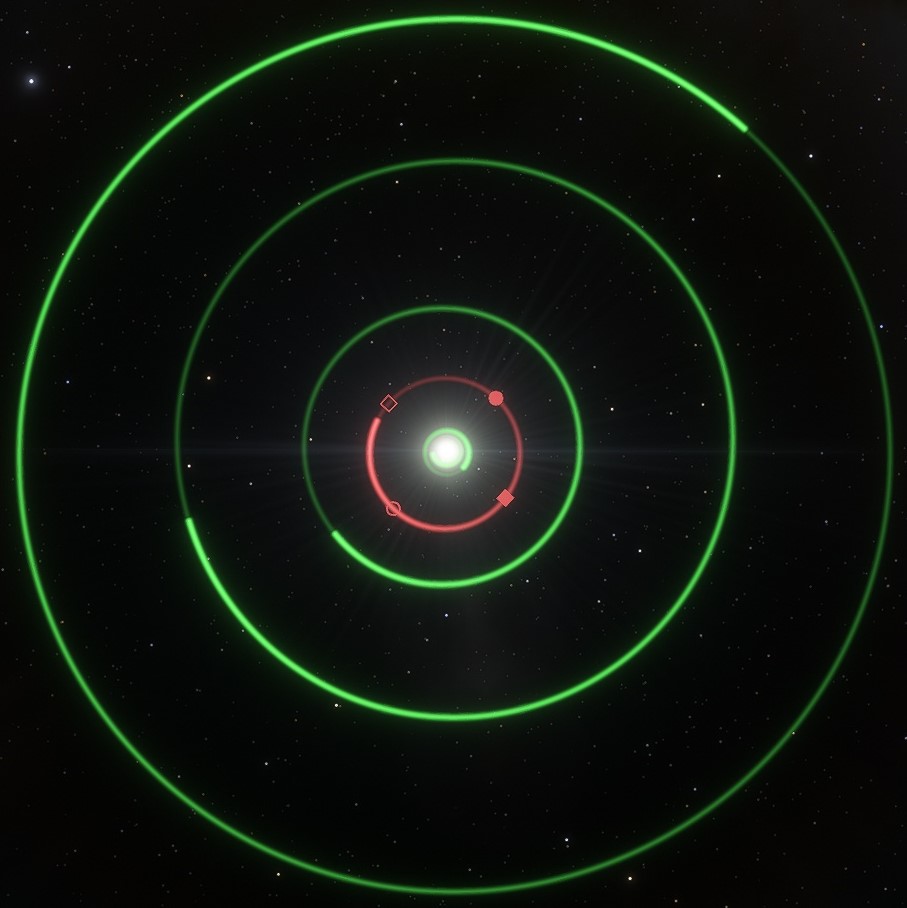
| Located in | Solar System, orbiting the Sun |
Fun Facts
- The Great Red Spot is over 1.3 times the size of Earth, and is a giant hurricane-like storm.
- It takes 4 and a half days to rotate once.
- The tops of the clouds of this storm reach about 5 miles higher than the surrounding clouds.
- At one point it was stretched out three times as wide as Earth, but is now becoming more circular.
- It was first seen in 1665, but probably existed before then, and may have been an earlier version of the storm. It is not clear if the storm we see today has been continuous since 1665 or not.
Past Lessons
| 62 | September 18, 2023 | (North America) |