

Key Information
Vultures
| Species | 23 species |
| Diet | Carnivore |
| Length | 22 to 49 inches |
| Weight | 2.6 to 33 lb |
| Wingspan | 4 to 10 ft |
| Conservation Status | Many Threatened or Endangered |
| Classification | Aves > Telluraves > Accipitriformes |
| Habitat | Savannahs, plains, deserts, mountains, and tropical forests |
Learning Point
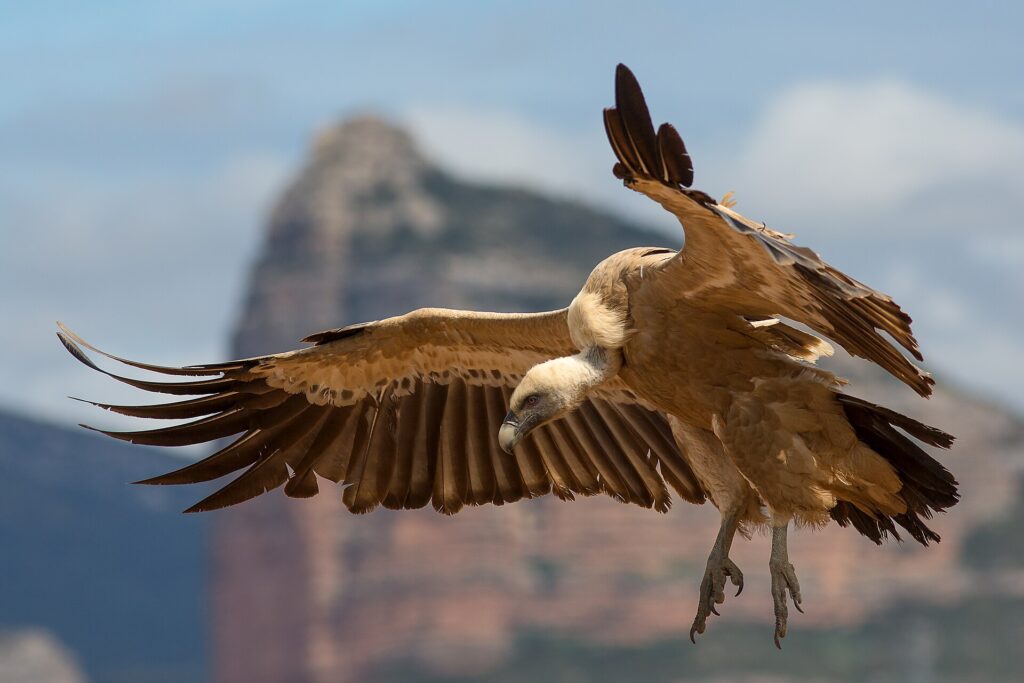
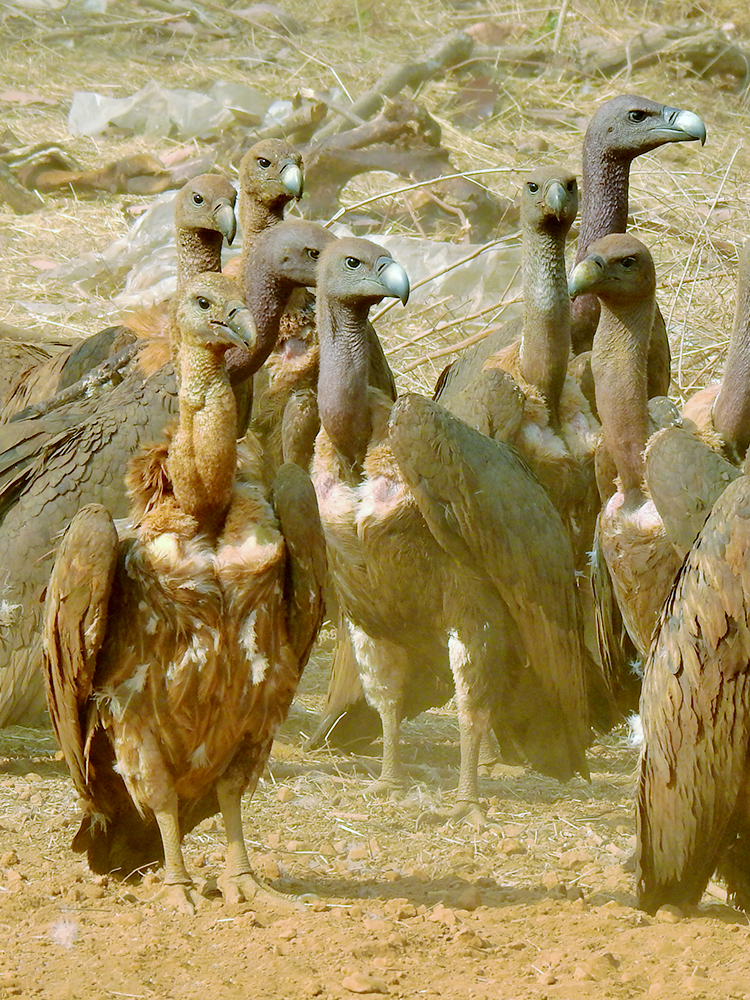
- Vultures are the ultimate ecological “cleanup crew,” specializing in eating carrion that would otherwise spread disease. Divided into Old World and New World species, these birds have incredible features, like bald heads to stay clean and stomach acid strong enough to neutralize anthrax and rabies. While Old World vultures rely on eagle-like vision, some New World species use a highly developed sense of smell to find food. Though often misunderstood as “gross,” they are vital protectors of public health, acting as a natural barrier against global pandemics.
Project
- Draw an picture of a vulture.
- Overview
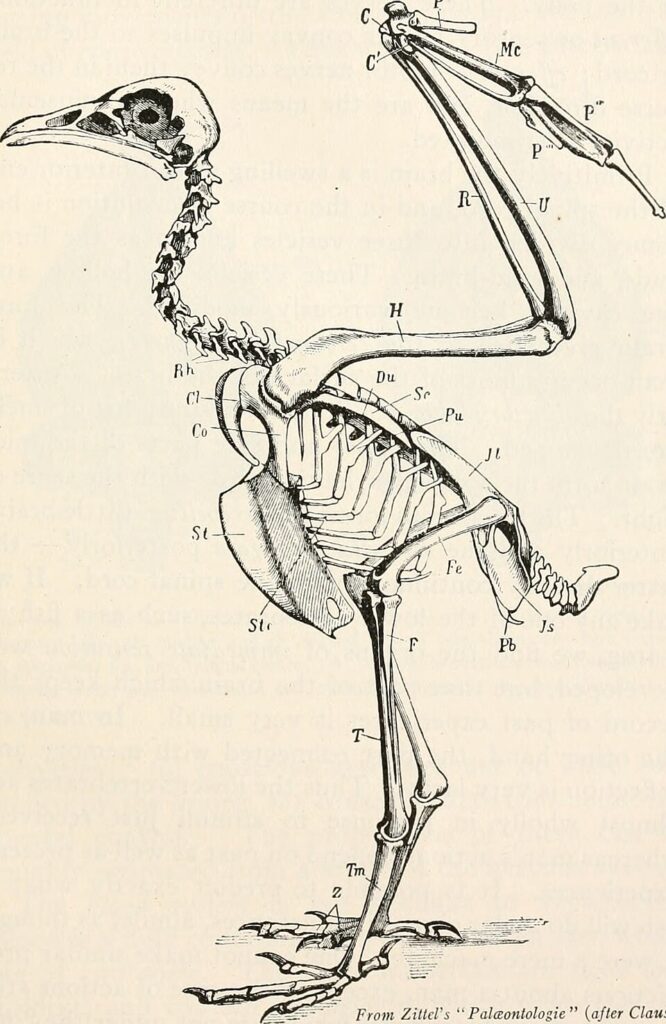
- X-Ray
Media

Location

| Locations | North and South America, Africa, Asia, Europe |
Fun Facts
- Vultures help keep the Earth clean by eating dead animals that could otherwise spread germs and sickness.
- They have incredibly strong stomach acid – stronger than battery acid – which lets them eat things that would make other animals very sick.
- Most vultures have bald heads so they can stay clean while eating without getting messy feathers.
- The Ruppell’s Vulture is the highest-flying bird ever found, reaching heights of 37,000 feet – that is higher than a jet airplane!
- If a vulture gets scared, it might throw up its food to make itself lighter for a quick getaway; the gross smell also keeps predators away.
- When you see a group of vultures flying together in a circle, it is called a “kettle”.
Past Lessons
| 211 | May 13, 2026 | (North America) |