

Key Information
Cranes
| Species | 15 species |
| Diet | Omnivore |
| Length | 35 to 69 inches |
| Weight | Up to 26 lb |
| Lifespan | 20 to 40 years |
| Conservation Status | Many Vulnerable to Critically Endangered |
| Classification | Aves > Gruiformes > Gruoidea > Gruidae |
| Habitat | Wetlands, marshes, wet sedge meadows, and grasslands |
Learning Point
- Cranes are the skyscrapers of the bird world, with some species standing six feet tall and soaring over the Himalayas at 20,000 feet. These world-class athletes are famous for their complex “dances“—a mix of jumping, bowing, and stick-tossing used to communicate and bond. Most species mate for life and navigate thousands of miles during migration using internal maps. Whether they are “painting” their feathers with mud for camouflage or inspiring the Japanese legend of 1,000 paper cranes, these birds represent a unique blend of prehistoric toughness and elegant mystery.
Project
- Draw a crane in Japan.
- Overview
Location
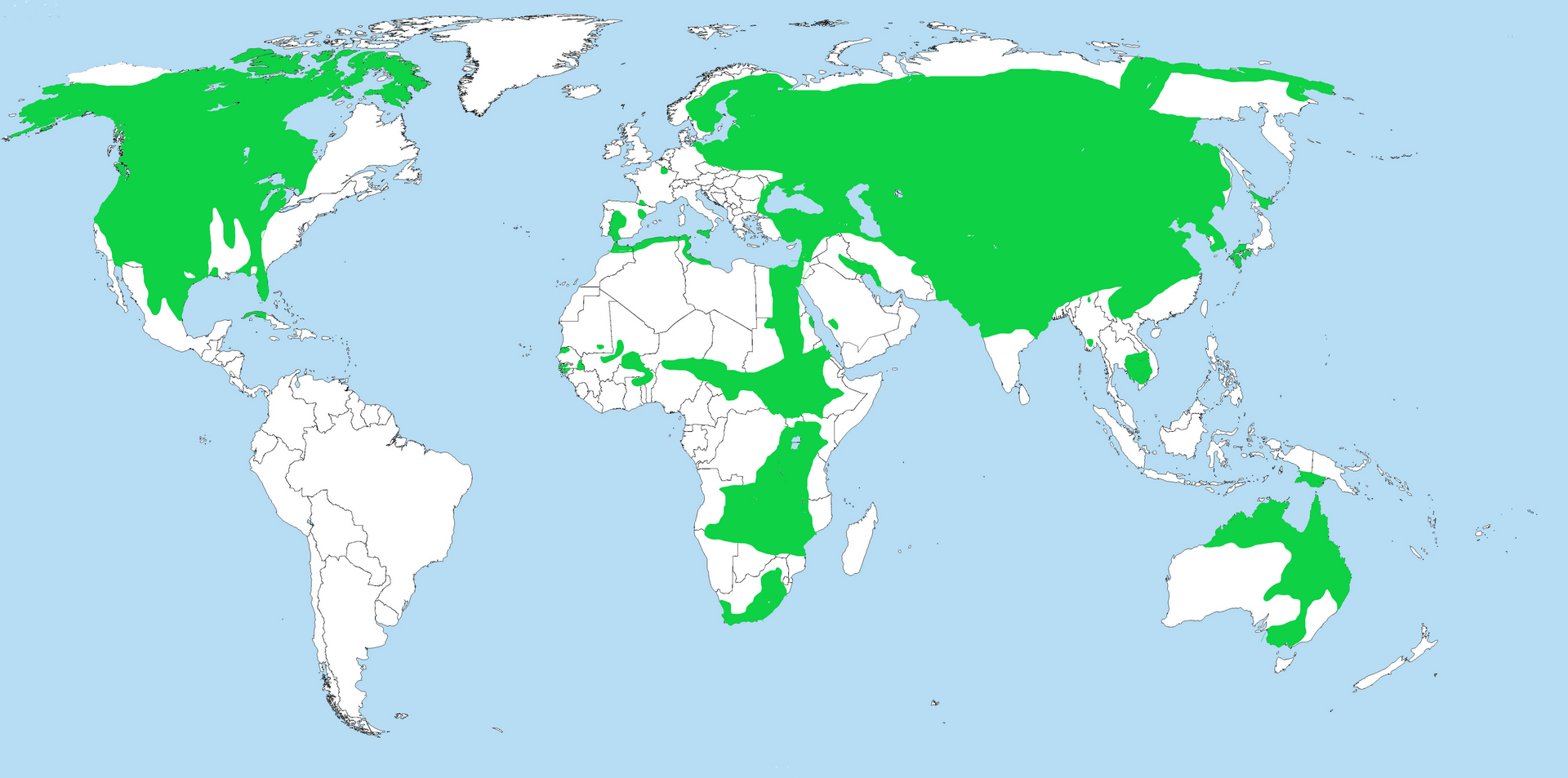
| Locations | North America, Europe, Asia, Africa, Australasia |
Fun Facts
- Some cranes, like the Sarus Crane, are taller than a grown-up! They can grow to be 6 feet tall, making them the tallest flying birds on Earth.
- To hide from predators while nesting, some cranes rub brown mud all over their grey feathers. It’s like they are wearing “camo” face paint!
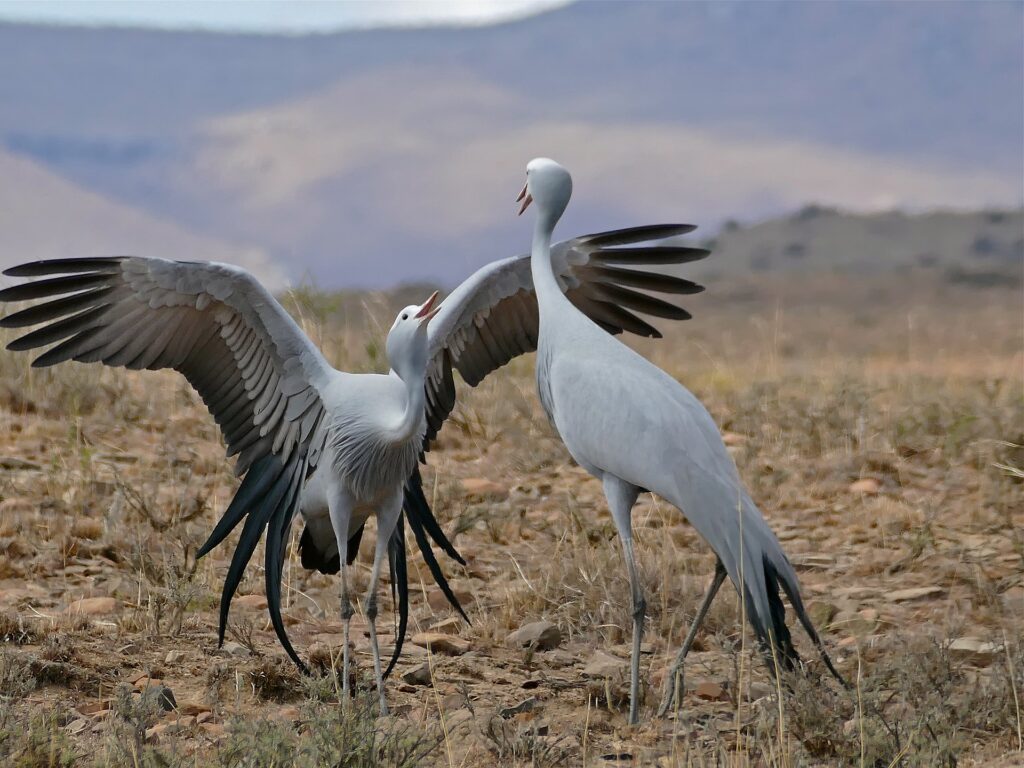
- Cranes love to dance! They jump high in the air, flap their wings, and even throw sticks into the sky to play catch with themselves.
- Cranes are super-athletes. Some fly right over the top of the Himalayan Mountains—the tallest mountains in the world—where the air is freezing cold!
Past Lessons
| 208 | April 15, 2026 | (North America) |