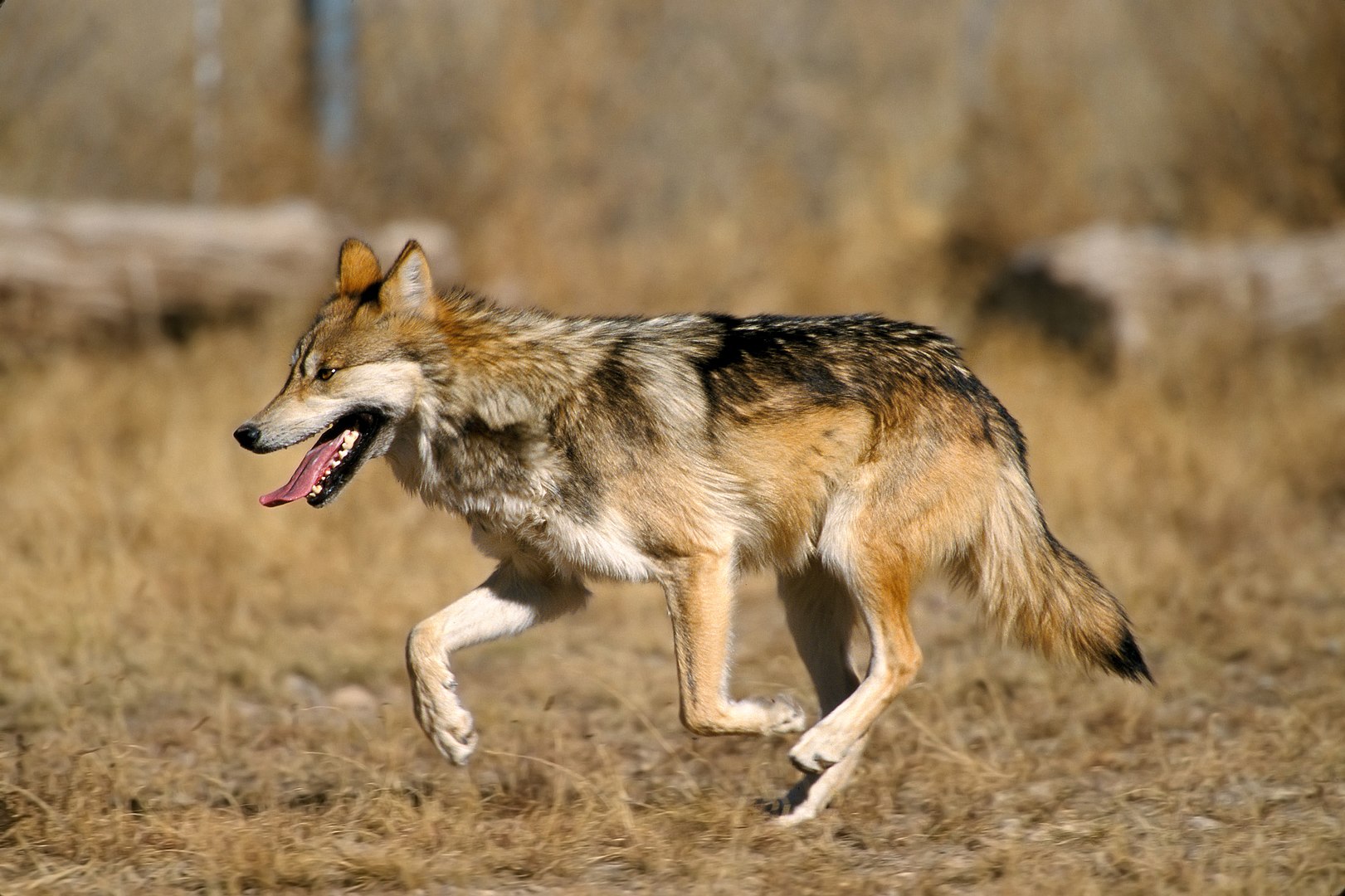
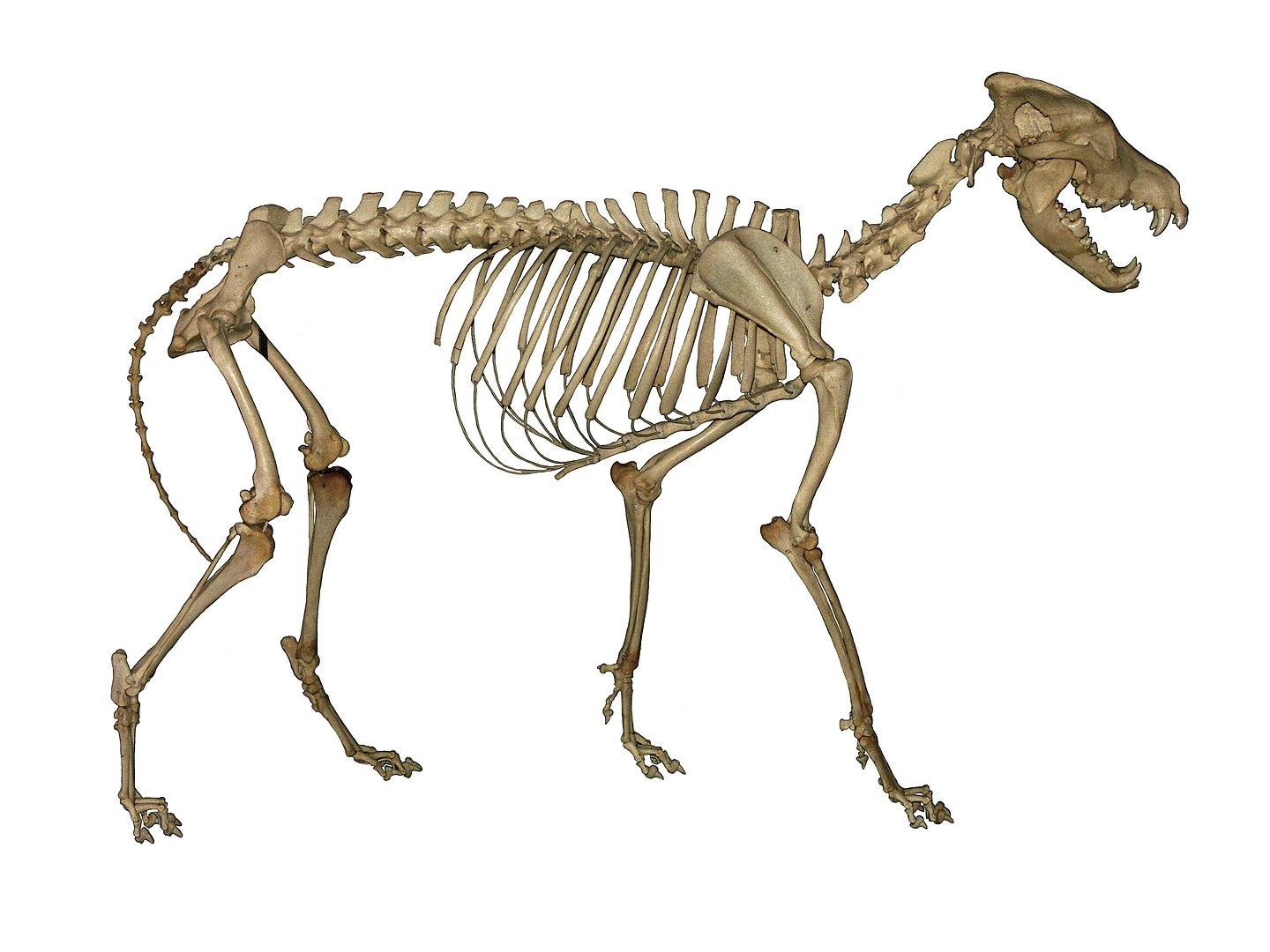
Wolves
- Species
- Canis lupus and Canis rufus (possibly Canis simensis and Canis lycaon)
- Diet
- Carnivore
- Length
- 4.5 to 6.5 ft
- Height
- 26 to 32 in
- Weight
- 60 to 110 lb
- Lifespan
- 6 to 13 years in wild, 16 in captivity
- Classification
- Mammalia > Carnivora > Canidae
- Conservation Status
- Least concern
- Habitat
- Tundra, woodlands, forests, grasslands and deserts
- The gray wolf and the red wolf are the two main species of wolves, with some researchers suggesting the Ethiopian or Abyssinian wolf, as well as the eastern timber wolf may also be separate species.
- There are five subspecies, or races, of the gray wolf in North America and seven to twelve in Eurasia.
- Draw a pack of wolves in their den.

- Places
- North America, Europe, Asia and Australia.
- Wolves are related to many other similar species, such as jackals, dingos and coyotes.
- They hold a large area of territory, anywhere from 25 square miles in food rich places, to a thousand square miles in places like Alaska.
- Wolves can run at up to 38 miles per hour, but on average travel at about 5 miles per hour.
- The first choice of food for wolves are ungulates, that is animals with hooves, such as deer, elk, bison and moose.
- Wolves main threat to survival is loss of habitat due to destruction, development and encroachment by humans, as well as persecution by humans.