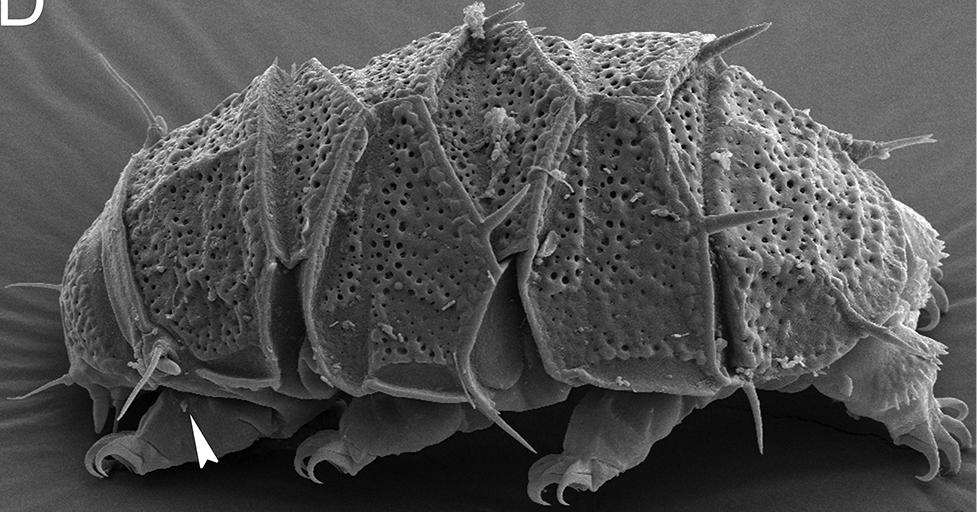
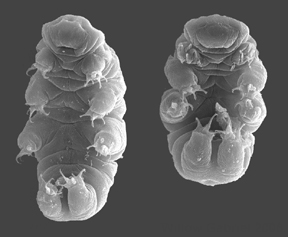
Tardigrades
- Species
- 1,300
- Diet
- Varies
- Length
- 0.1 to 1.5 mm
- Lifespan
- Up to 2 years
- Classification
- Eumetazoa > Nephrozoa > Protostomia > Tardigrada
- Conservation Status
- Not Threatened
- Habitat
- Worldwide
- Tardigrades are one of the smallest creatures on Earth, and yet they are capable of living in many different locations and conditions, as well as enduring extreme cold and heat, and even surviving in space.
- Places
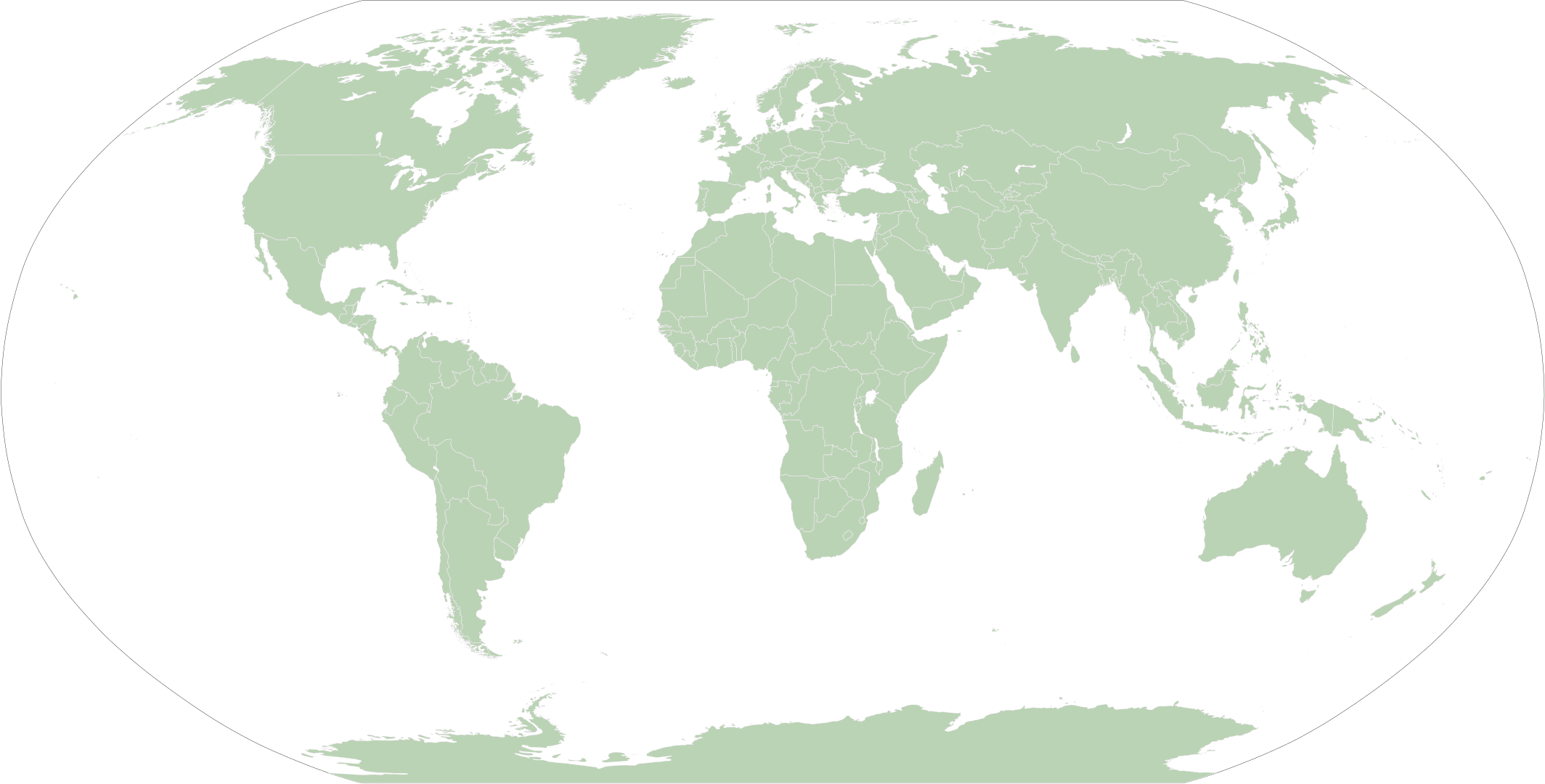
- Every Continent except Antarctica
- German zoologist Johann August Ephraim Goeze discovered tardigrades in 1773, but he called them Kleiner Wasserbär meaning "little water bear".
- The have been on Earth since at least the time of the dinosaurs.
- They can cope with exposure to extreme temperatures, extreme pressures (both high and low), air deprivation, radiation, dehydration, and starvation.
- They can survive for a few minutes at 0.01 K, that is −460 °F, close to absolute zero, as well as temperatures of up to 300 °F.
- They have a mechanism to dehydrate themselves to survive freezing and extremes, and can go into a kind of hibernation and stay that way for 30 years, before being resusitated.
- Tardigrades are also able to survive higher radiation than other animals, up to a 1,000 times more.