Squirrels
- Species
- 285 species
- Diet
- Herbivore
- Length
- 4 in to 4 ft 2 in
- Weight
- 0.4 oz to 18 lb
- Lifespan
- 5 to 10 years in wild, up to 20 years in captivity
- Classification
- Mammalia > Rodentia > Sciuridae
- Conservation Status
- Some species endangered, others not threatened
- Habitat
- Often forests and woodlands, as well as almost every other habitat
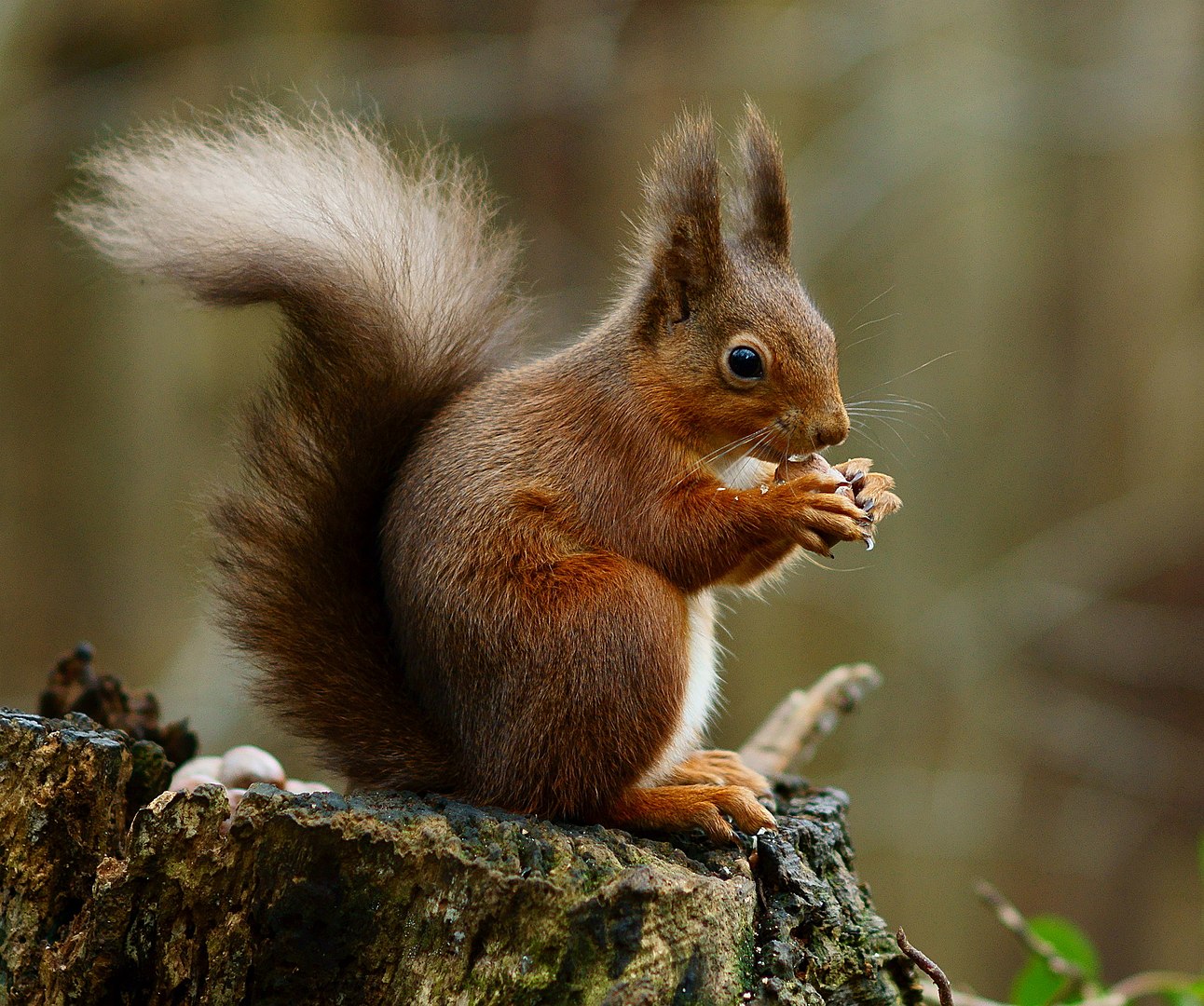
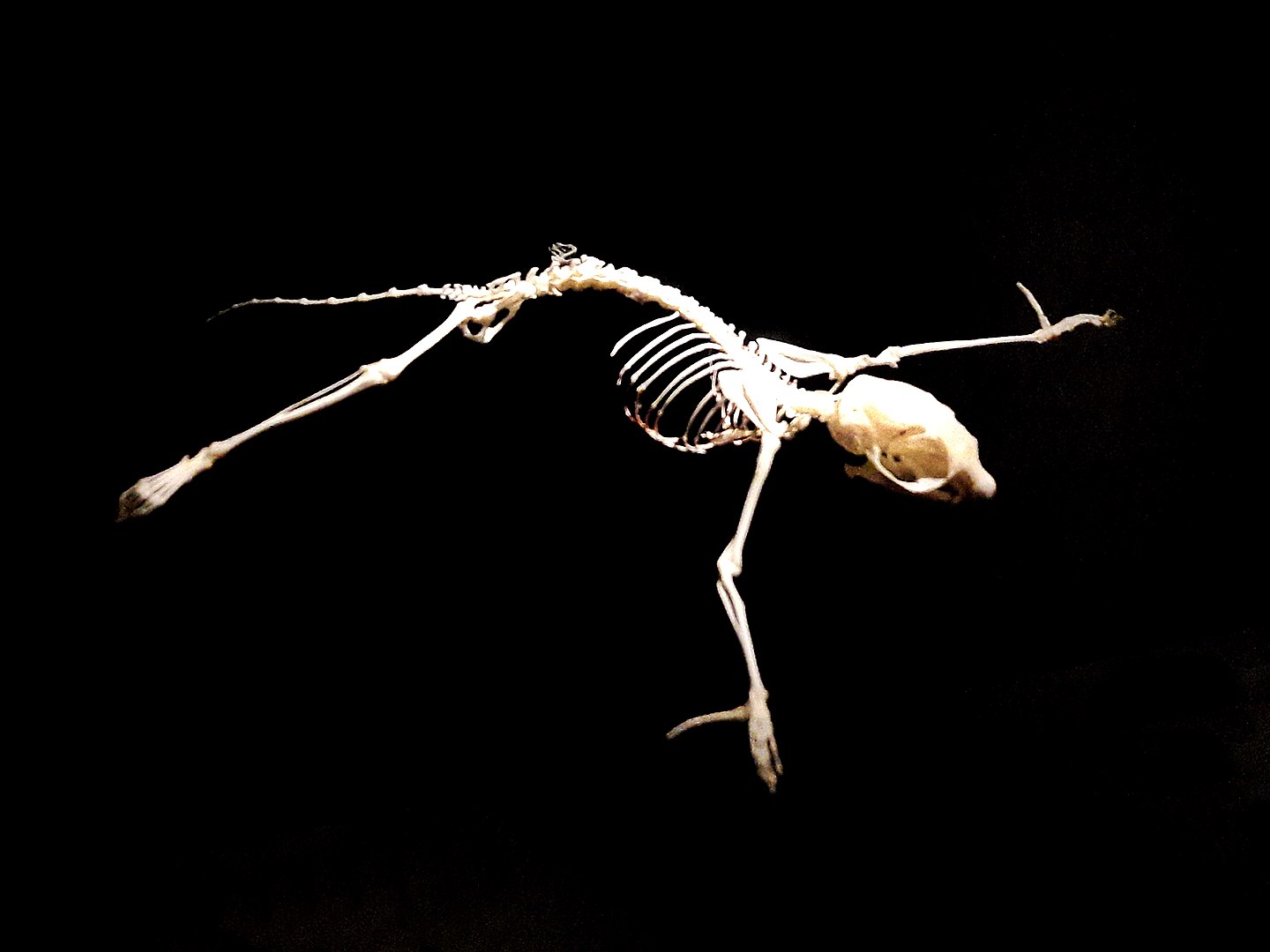
- Squirrels are a type of rodent, and vary both in size and habitat. Many squirrels prefer to live in trees (they are arboreal), while others prefer living on the ground.
- Squirrels are native to the Americas, Europe and Asia, as well as Africa, but were brought to Australia by humans.
- Draw a squirrel running through the trees looking for nuts. Decide which type of squirrel you like the most.
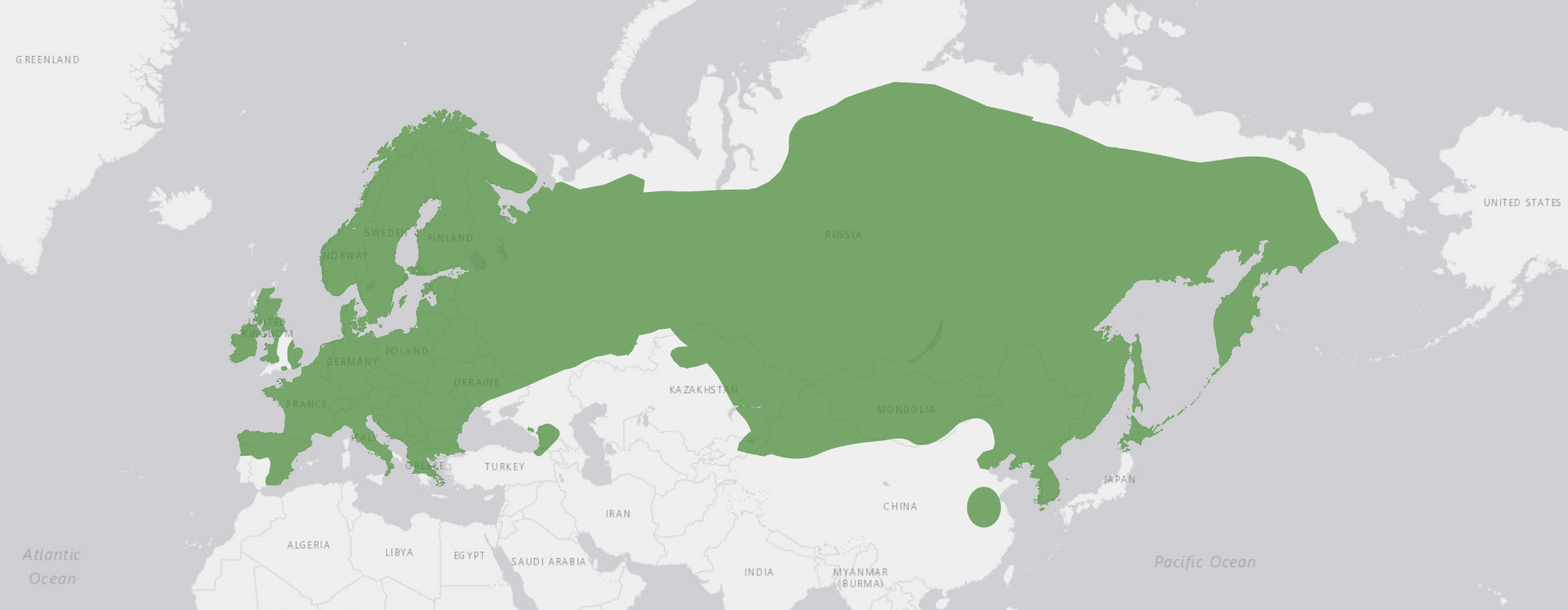
- Places
- Every continent except Oceania and Antarctica (Map shows Red Squirrel locations)
- The word "squirrel" was first used in English in 1327, and cmoes from other languages which mean "shadow-tailed", the long bushy tail most squirrels have.
- A group of squirrels is called a "dray" or a "scurry".
- The smallest squirrels are the African pygmy squirrel and least pygmy squirrel which are about 3.9 in to 5.5 in long, and weigh around half an ounce.
- Squirrels live in almost every habitat, from tropical rainforest to semiarid desert, avoiding only the high polar regions and the driest of deserts.
- While most eating seeds and nuts, they will eat insects and sometimes other smaller animals.
- Squirrels have excellent eyesight, as well as a good sense of touch. Both are important for animals that live in trees.
- Tree squirrels are able to climb down a tree head first because they rotate their hind feet backwards to grip the bark better.