Rhinoceroses
- Species
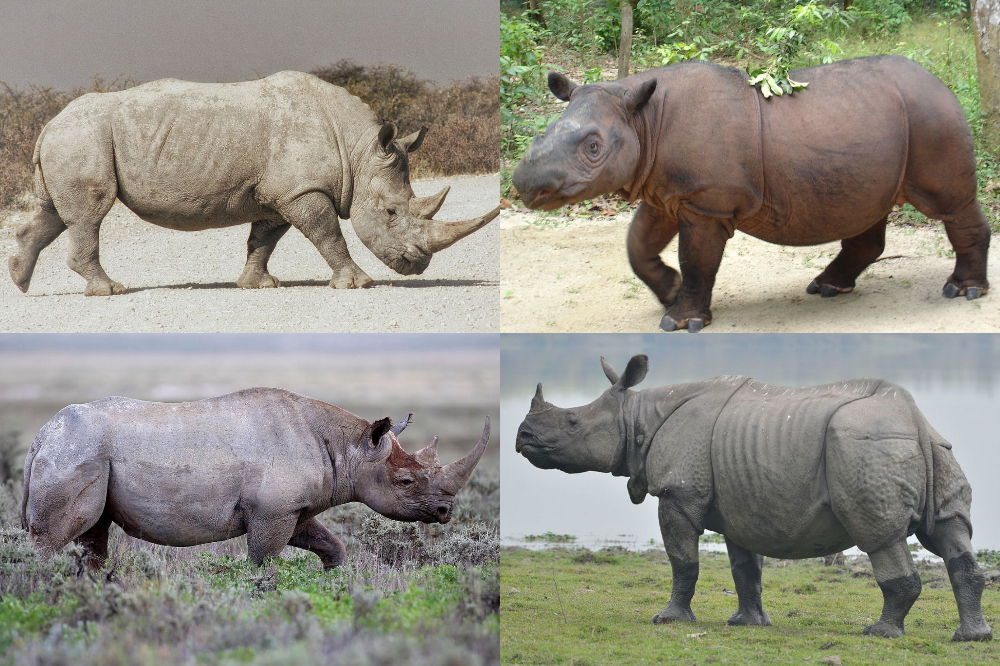
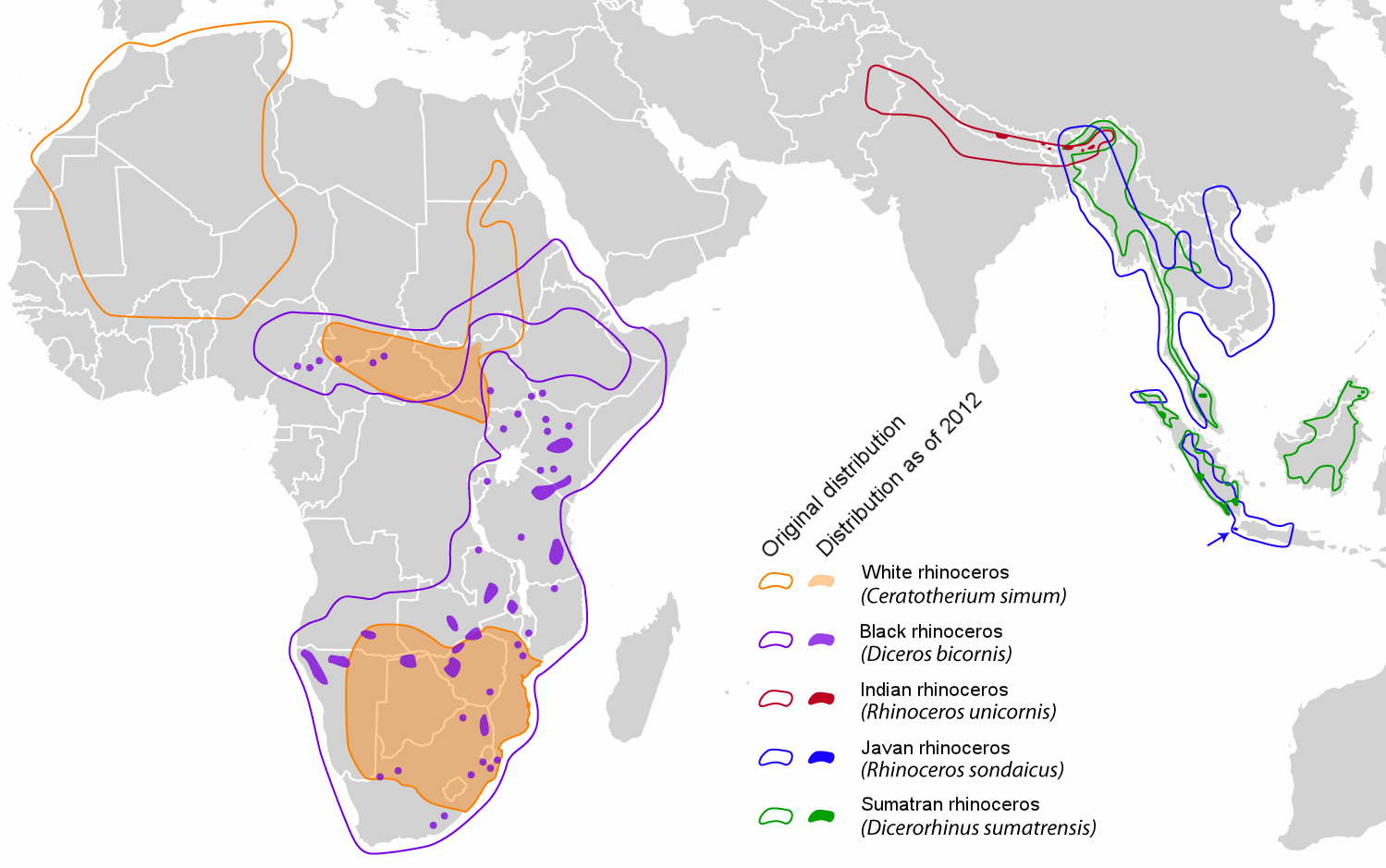
- 5, Ceratotherium simum, Dicerorhinus sumatrensis, Rhinoceros unicornis, Diceros bicornis, Rhinoceros sondaicus
- Diet
- Herbivore
- Length
- 11 to 15 ft
- Height
- 5.9 to 6.6 ft
- Weight
- 4,000 to 5,000 lb
- Lifespan
- Varies from around 40 to 60 years
- Classification
- Mammalia > Perissodactyla > Rhinocerotidae
- Conservation Status
- Some Near Threatened, others Critically Endangered
- Habitat
- Forests and savannahs
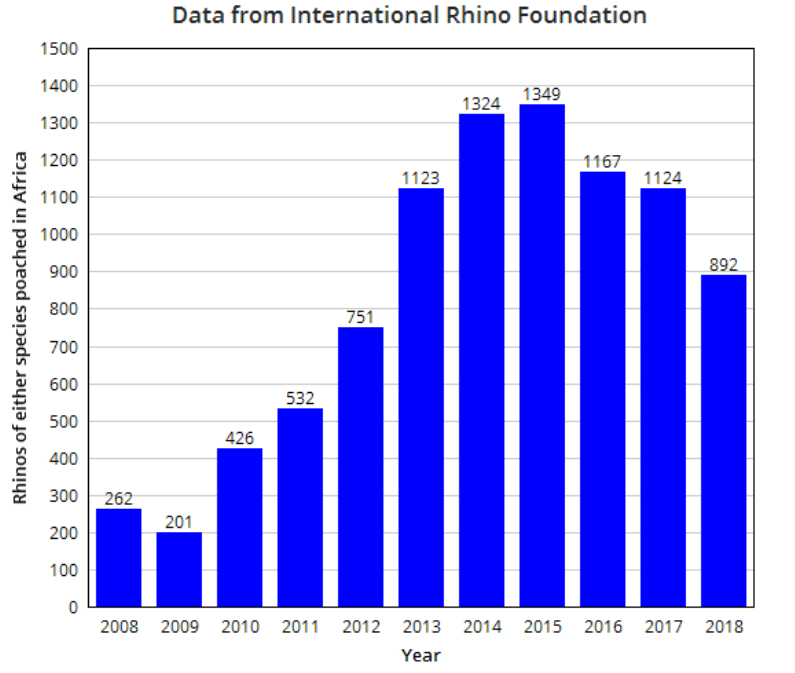
- The rhinoceros is one of the most endangered of the large animals, with many of the species close to extinction. Their beautiful horns have made them a target for poaching where people kill them to cut off their horn and sell it for medicine.
- Places
- Africa and Asia
- The name Rhinoceros comes from two Greek words: "rhino" and "keras" which mean "nose horn".
- There are several subspecies of most of the species of rhinoceros, with the northern white rhinoceros so endangered there might be only two left, both of which are in a zoo.
- The Sumatran rhinoceros is the smallest species alive today, and has the most hair. It is thought to be the most similar to the Woolly Rhinoceros (Coelodonta).
- Every year, hundreds of rhinoceroses are poached (killed illegally) so that their horn can be cut off and sold for use in traditional Chinese medicine.
- Paraceratherium is a prehistoric animal that is closely related to the rhinoceros. It was a huge animal and had no horn.