Otters
- Species
- 13 species
- Diet
- Carnivore
- Length
- 2 to 5.9 ft
- Weight
- 2.2 to 99.2 lb
- Lifespan
- Up to 16 years
- Classification
- Mammalia > Mustelidae > Lutrinae
- Conservation Status
- Some species endangered, others not threatened
- Habitat
- Rivers, seas and oceans (usually coastal)
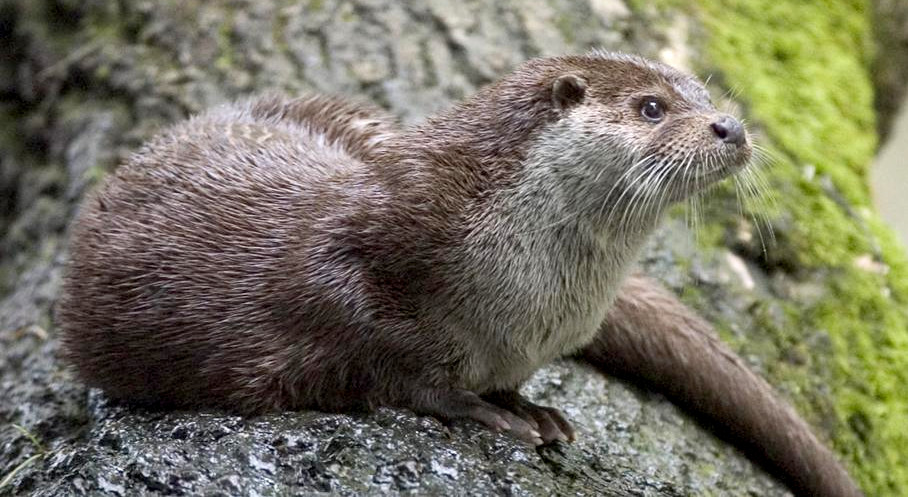
- Otters are a family of mammals that live in or around water sources, such as rivers, and the coastlines of seas and oceans. They're intelligent and very adaptable hunters.
- Otters have often been trapped or hunted for their fur in previous centuries, but a lot of effort has been put into protecting them now. Where there is a healthy otter population, it tells us the environment around them is doing well.
- Draw an otter family swimming in the river or sea.
- Places
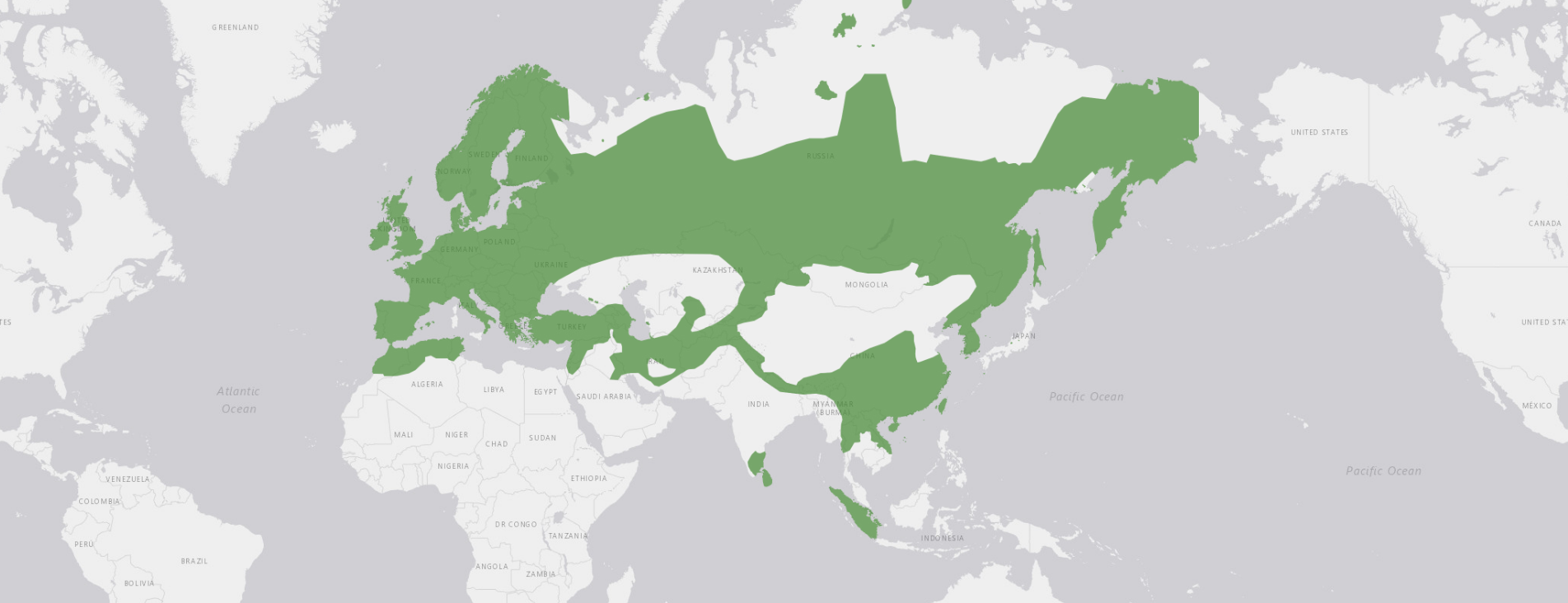
- Every continent except Oceania and Antarctica (Map shows European Otter locations)
- The word otter derives from the Old English word otor or oter. This comes from older languages which mean "water".
- An otter's den is called a holt or couch. Male otters are called dogs or boars, females are called bitches or sows, and their offspring are called pups.
- A group of otters are called a bevy, family, lodge, or romp. But if they are in the water, a group is called a raft.
- European otters must eat 15% of their body weight each day, and sea otters 20 to 25%, depending on the temperature.
- In water as warm as 50 °F, an otter needs to catch 3.5 oz of fish per hour to survive.
- Otters can use stones to break open shellfish on their stomachs
- Sea otters cannot swim for the first month after they are born, despite being born in the open sea. Clean fluffy fur keeps them warm and traps air, which allows them to float.