Orcas
- Species
- Orcinus orca
- Diet
- Carnivore
- Length
- 17 to 20 ft
- Weight
- 5,500 to 12,000 lbs
- Lifespan
- 50 to 80 years
- Classification
- Mammal > Cetacea > Delphinidae
- Conservation Status
- Not enough data
- Habitat
- Oceans and Seas
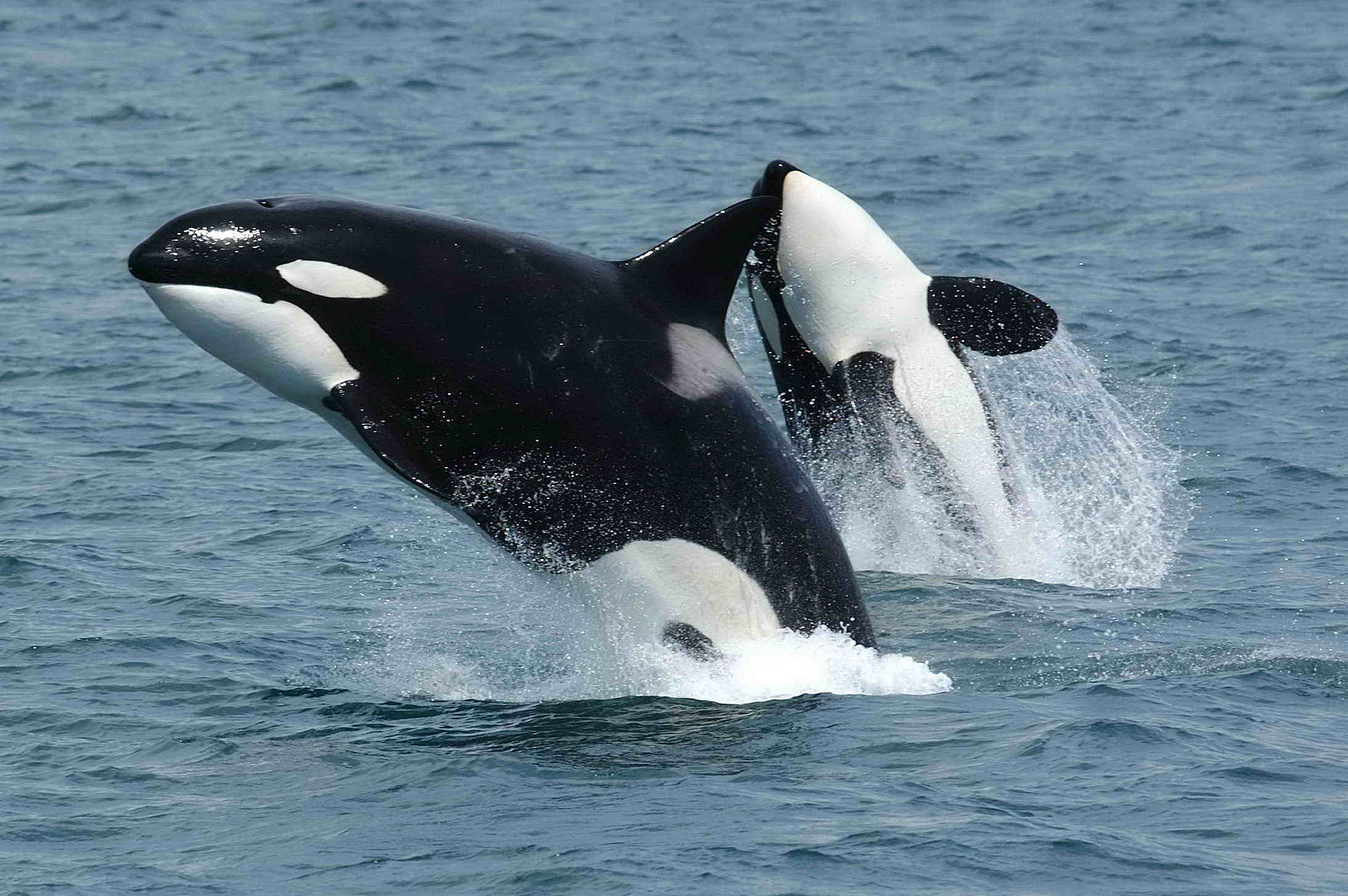
- Orcas are apex predators, meaning that they themselves have no natural predators. They are sometimes called "wolves of the sea", because they hunt in groups like wolf packs.
- Because they don't breath automatically, orcas sleep differently to us. One side of their brain sleeps, while the other side keeps the orca alert so it doesn't drown. Afterwards the otherside of the brain takes its turn to sleep. You know which side is sleeping by which eye is closed.
- Draw a pod of orcas hunting fish.
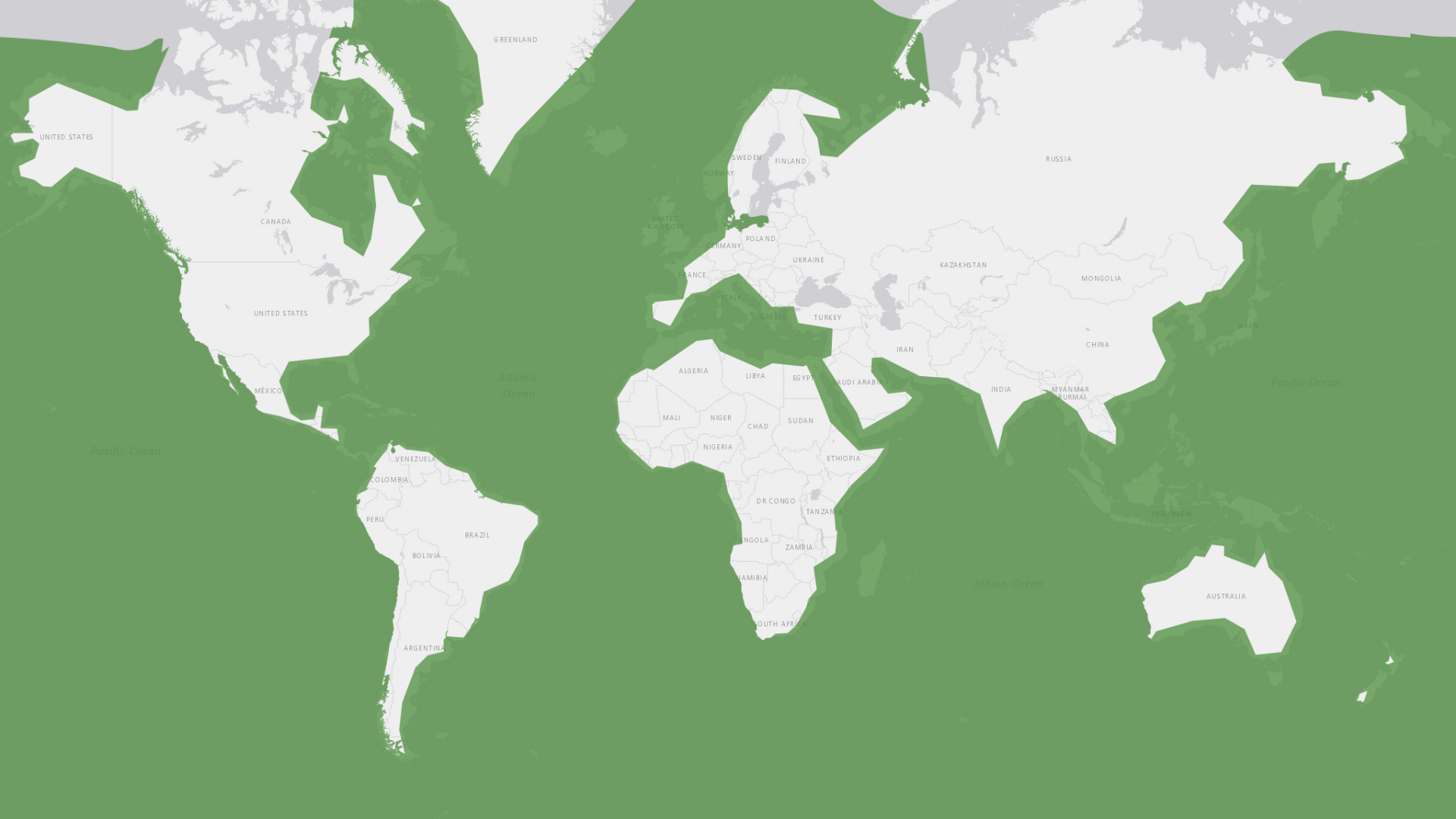
- Places
- In every ocean and almost every sea in the world
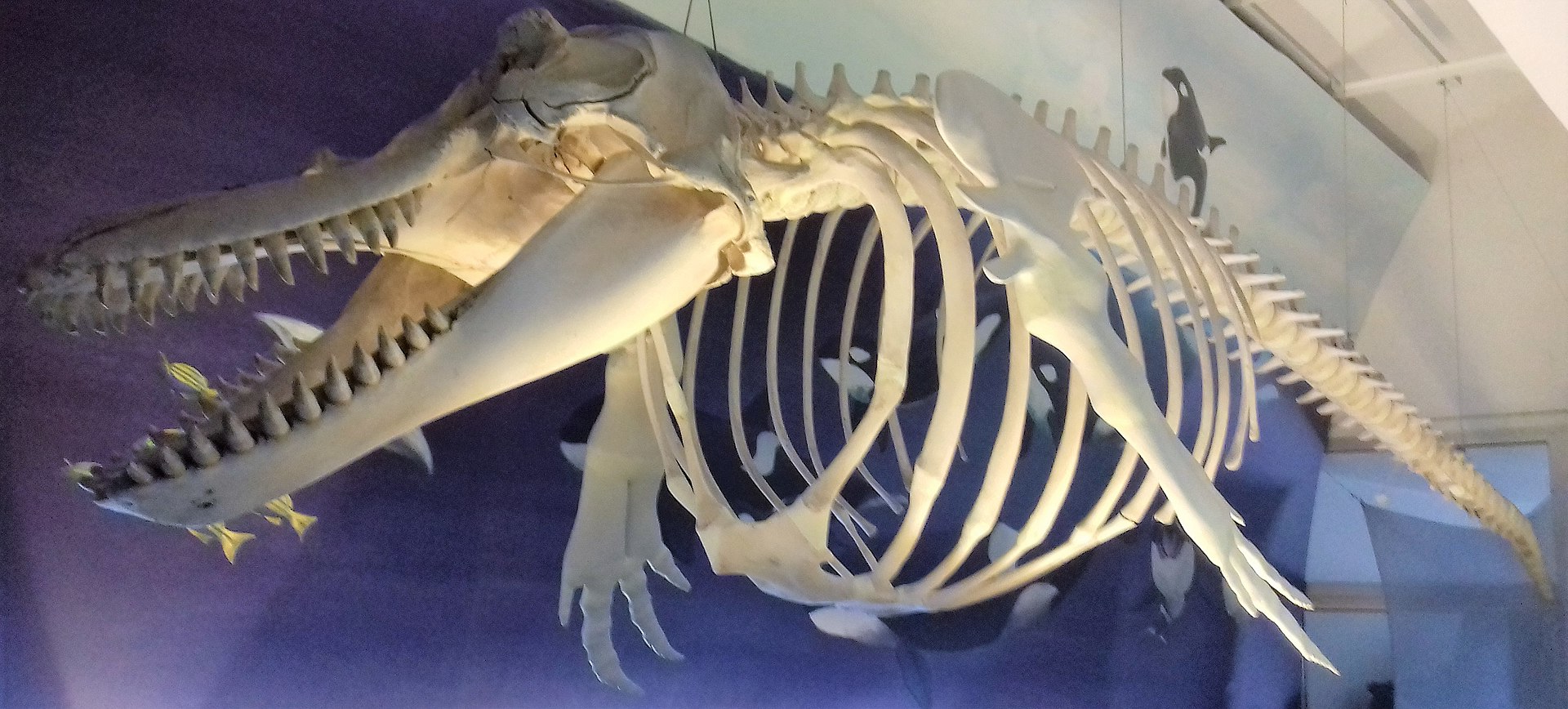
- Orcas are not actually whales, they are dolphins. They might have been called killer whales by mistake. Sailors probably saw them hunting whales and called them "whale killers" but people flipped it around.
- Orcas live in all the oceans, and have been seen in fresh water rivers.
- Orcas have the second-largest brains of any marine mammal, second only to sperm whales. They can weigh as much as 15 pounds.
- When orcas and great white sharks confront one another, it is the great white shark that flees! Orcas are thought to enjoy eating the livers of the big sharks.
- Orcas live in family groups called 'pods', but group into 'clans'. Each clan has a different language from other clans.
- Orcas clans also have different 'cultures' from others, with some orcas being restricted to coastal areas, others travelling further in the oceans.