Great Auks
- Species
- Pinguinus impennis
- Diet
- Carnivore
- Height (to shoulder)
- 2 ft 6 inches to 2 ft 9 inches
- Weight
- 11 lb
- Classification
- Aves > Alcidae > Pinguinus
- Life Span
- 20 to 25 years
- Conservation Status
- Extinct
- Habitat
- Coastal Arctic Waters
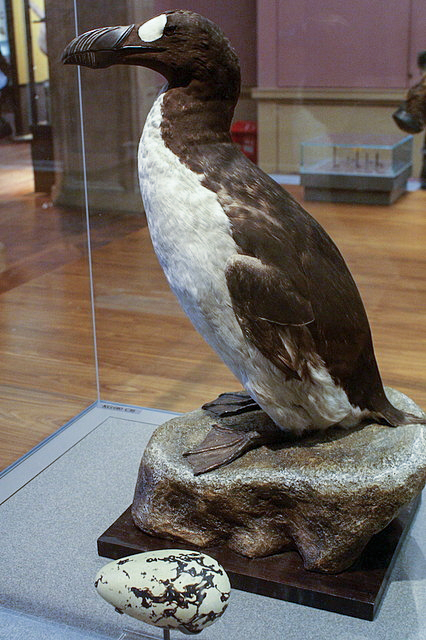
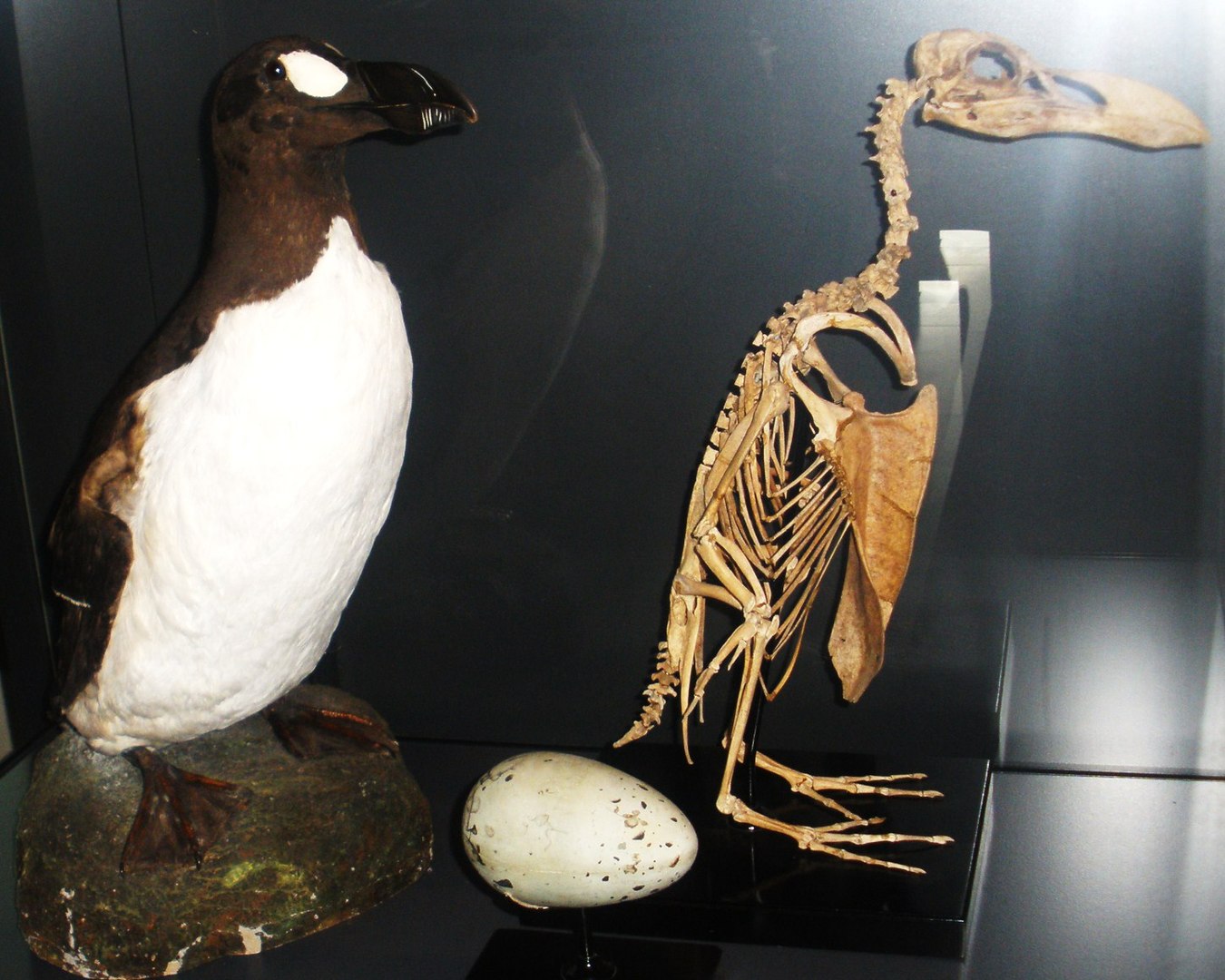
- The Great Auk was a species of flightless bird native to the northern hemisphere, the only flightless bird in Europe in modern times, and was extinct by the mid 19th century. It once had a vast population, but hunting over the time humans have been on earth drove it to extinction.
- Draw a pair of Great Auks nesting and looking after their egg.
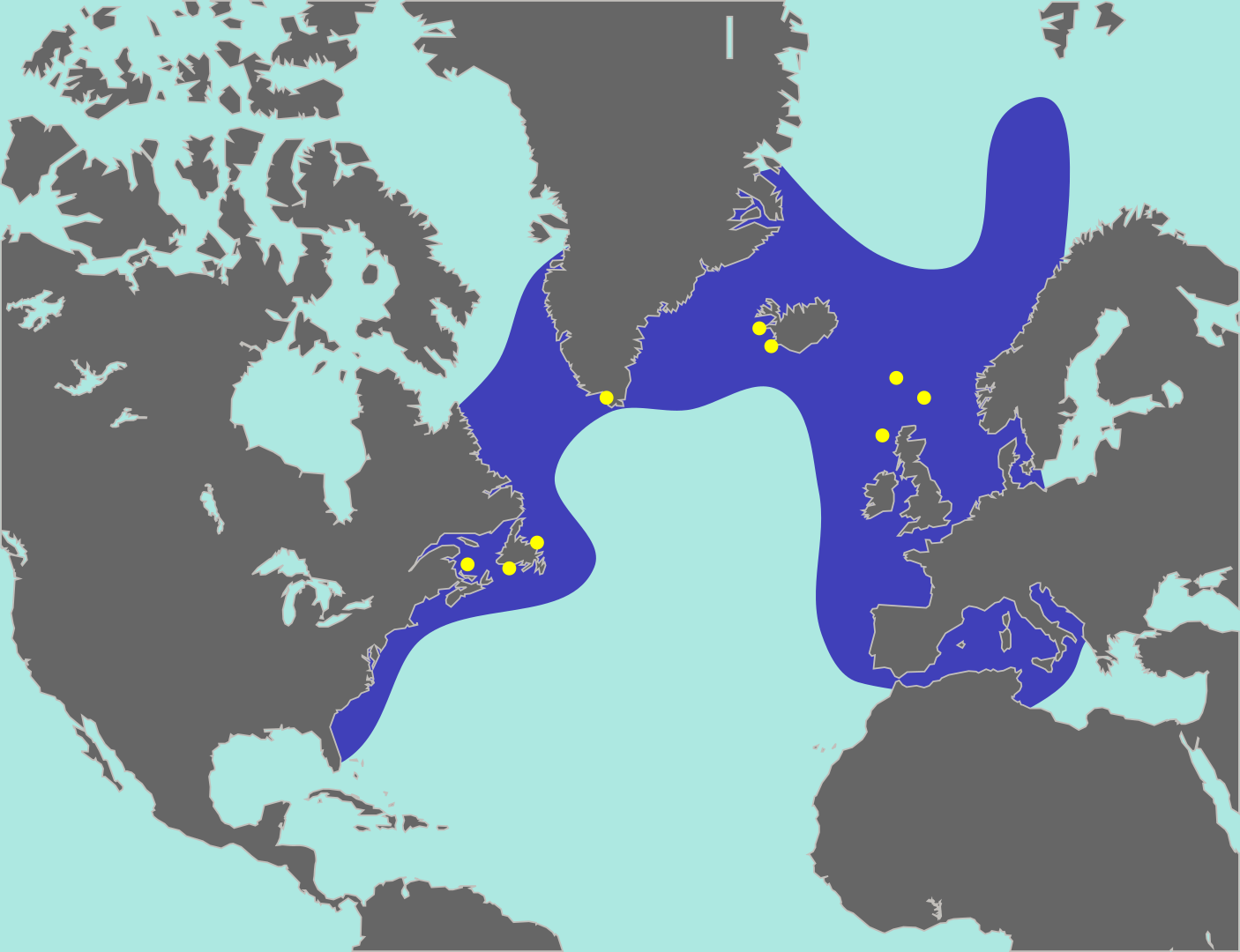
- Places
- North America (east coast), Greenland, Iceland, North and Western Europe
- The last pair of Great Auks, found incubating an egg, were killed on the island of Eldey on 3 June 1844, on request from a merchant who wanted specimens, with Jón Brandsson and Sigurður Ísleifsson strangling the adults and Ketill Ketilsson smashing the egg with his boot.
- The name "penguin" was possibly from the Welsh words pen gwyn meaning "white head", and was later used to name the flightless birds found in south that resembled the Great Auk.
- The great auk was generally an excellent swimmer, using its wings to propel itself underwater. It could hold its breath for 15 minutes under water, longer than a seal can.
- They are believed to have mated for life with the female laying just one egg per year.