Beavers
- Species
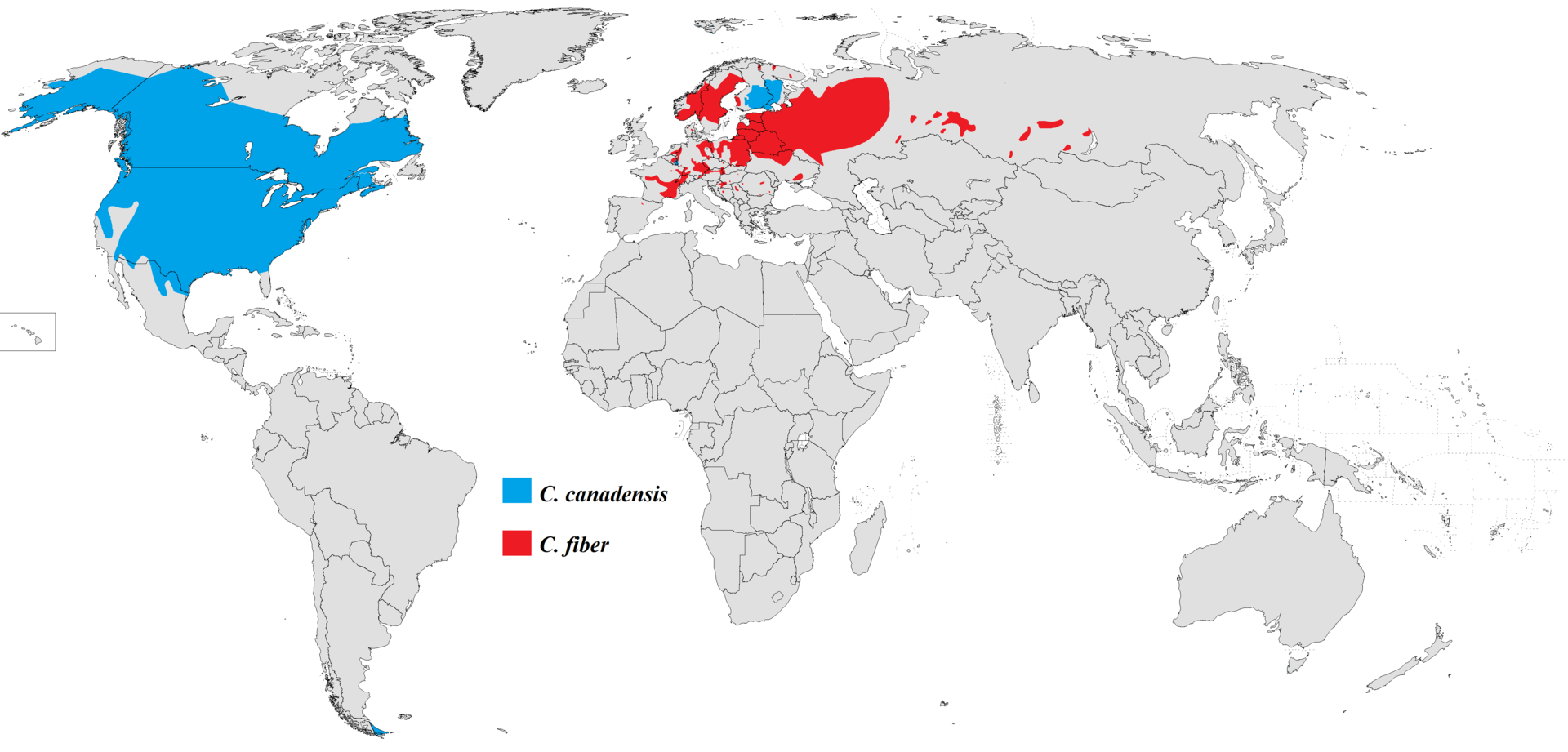
- Castorinae canadensis, Castorinae fiber
- Diet
- Herbivore
- Length
- 31 to 47 in (and 10 to 20 in tail)
- Height
- 12 to 24 in
- Weight
- 24 to 66 lb
- Lifespan
- Up to 10 years
- Classification
- Mammalia > Rodentia > Castorinae
- Conservation Status
- Least concern
- Habitat
- Rivers and lakes
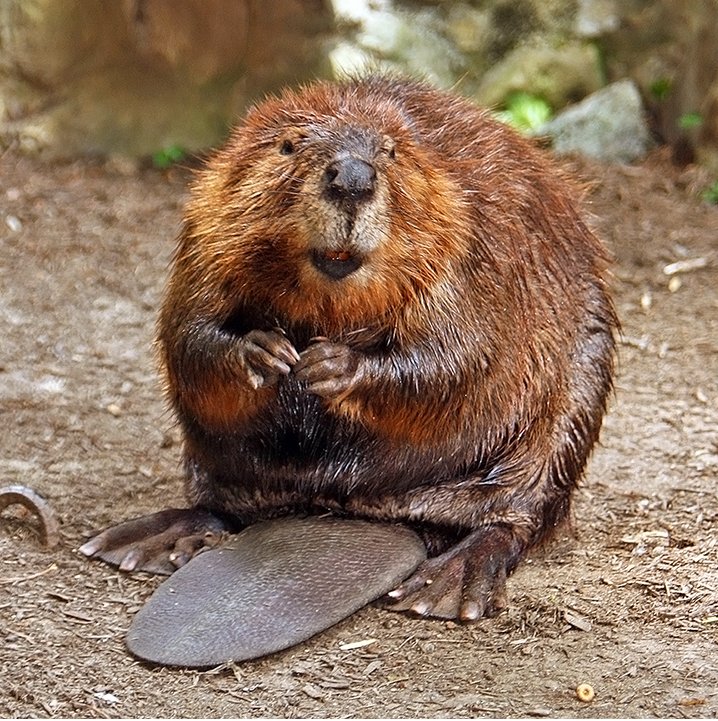
- Beavers are a species of giant rodent that are famous for building dams and lodges, allowing them to create lakes in which they can live and eat.
- Beavers are important to the ecosystem in the places they live, helping to prevent long droughts because of their amazingly designed dams.
- Draw a beaver building a lodge or dam.
- Places
- North America, Europe and Asia (and a small part of Chile/Argentina)
- The word beaver comes from words in the old European languages that mean "brown".
- A beaver can hold its breath for up to 15 minutes, though they often aren't under water for longer than five minutes.
- The home of a beaver is called a lodge, and the entrance is usually underwater.
- Beaver dams are normally range in length from a few feet to 330 feet in length.
- The largest beaver dam known to exist is in Wood Buffalo National Park in Alberta, Canada and measures 2,790 feet in length.
- Other than humans, no other animal alive today shapes the environment as much as beavers do.
- Beavers will make "canals" to help move the trees and branches they cut down.
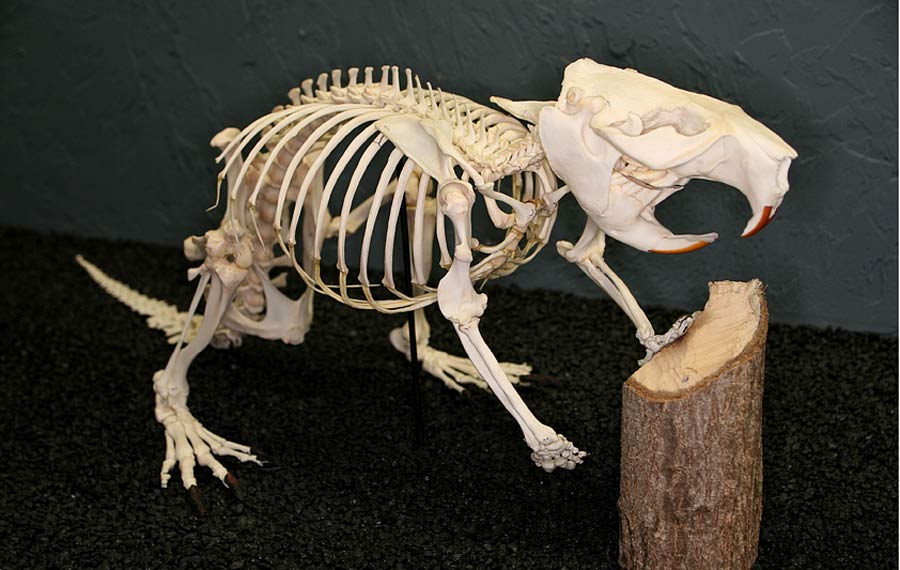
- Beavers teeth are orange on the outside because instead of enamel protecting the teeth, they have small amounts of iron in their teeth, perfect for helping them to cut through the wood of trees.