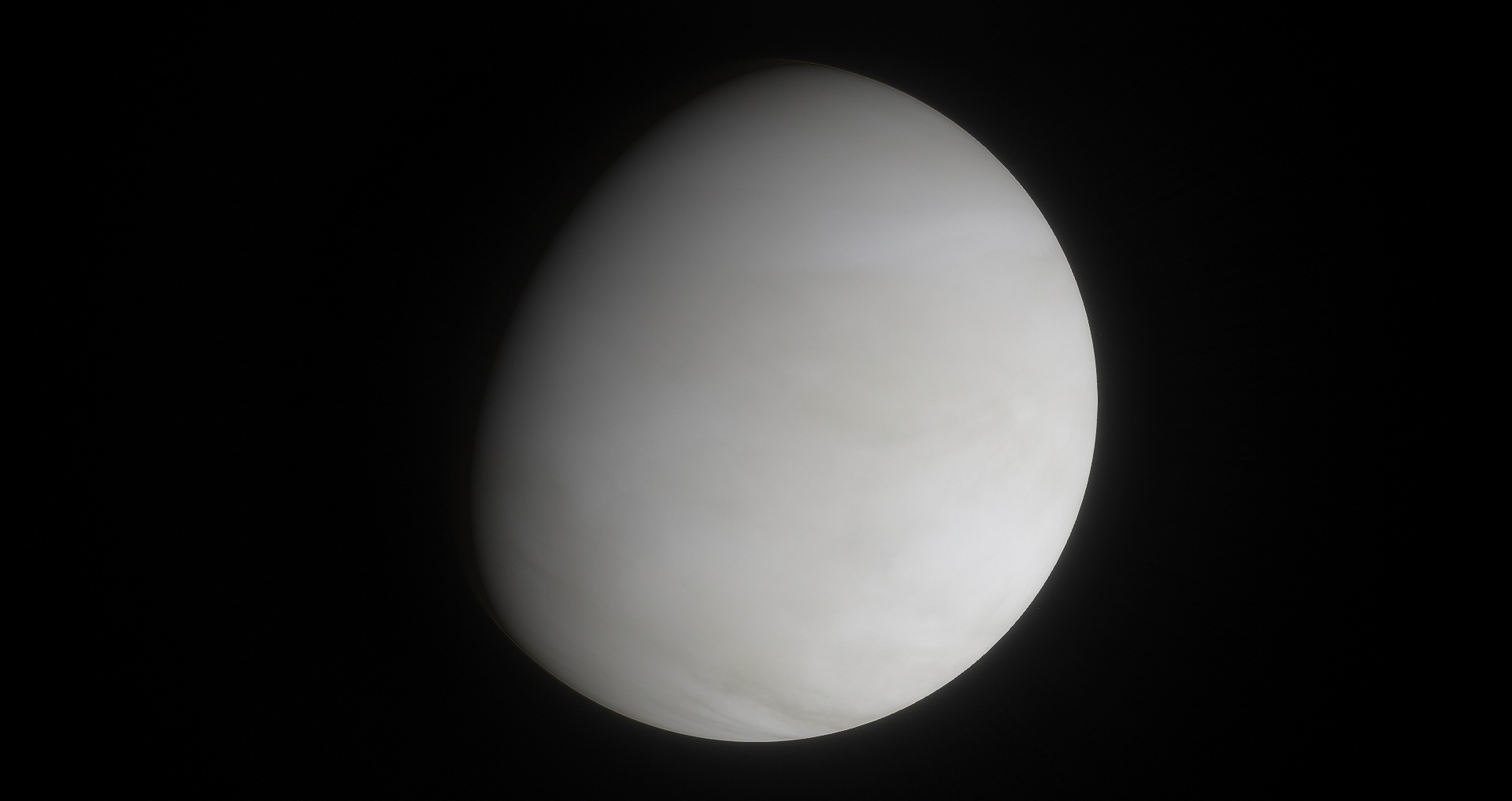
Venus
- Type
- Planet
- Diameter
- 7,520 miles
- Distance from Sun
- 67,237,334 miles
- Orbit Time
- 224.701 Earth days
- Length of Day
- 243.022 Earth days (retrograde)
- Temperature
- 867 °F
- Atmosphere
- Thick and made from carbon dioxide, nitrogen and other elements
- Date of Discovery
- Unknown
- Venus' thick and heavy atmosphere has caused it to have it's own global warming, causing it to be the most dangerous place in our solar system to exist on, even for spaces probes.
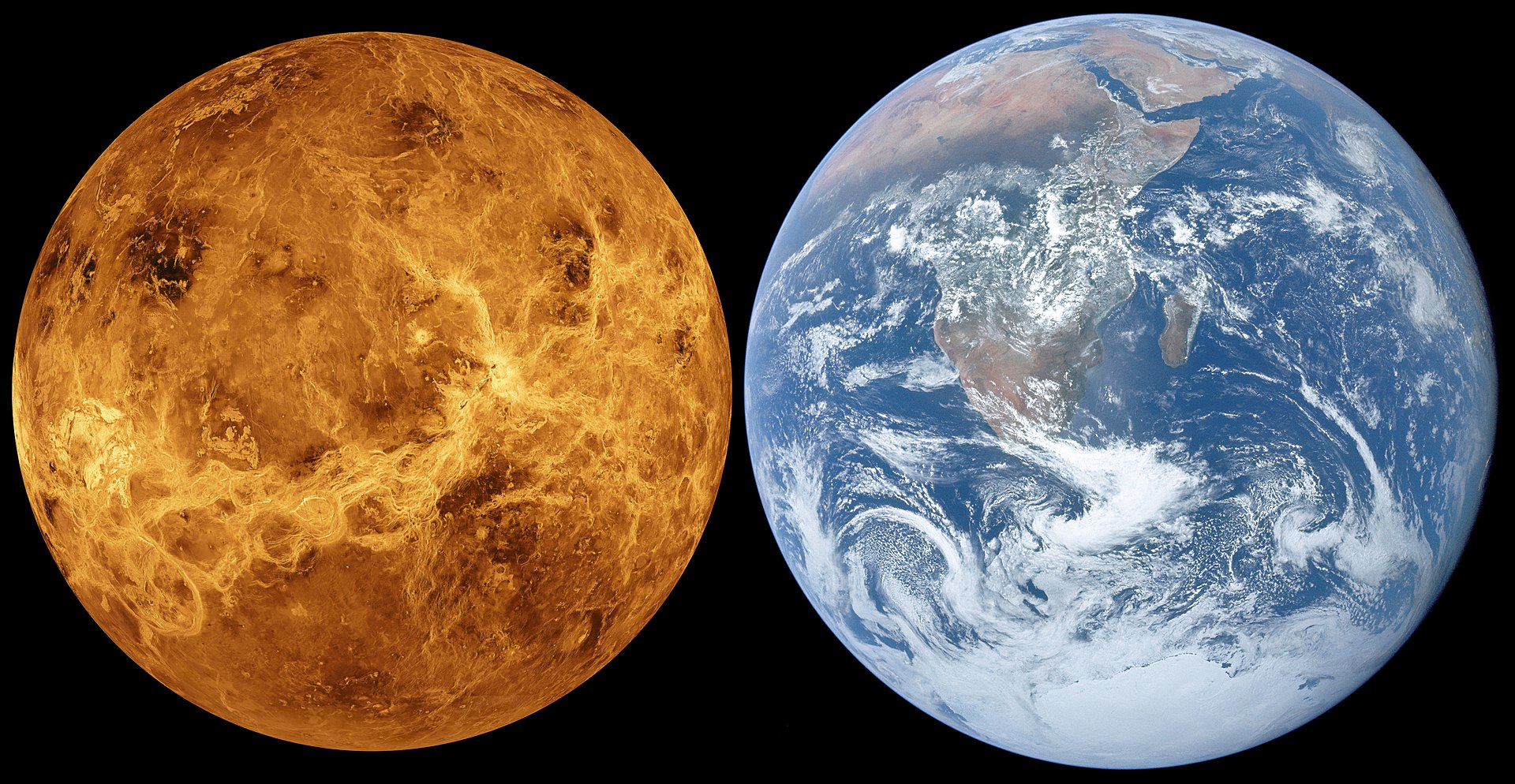
- The clouds in the atmosphere cover the whole planet, meaning we cannot see the surface without using radar and other sensors.
- What missions have been sent to Venus so far? What were they looking to do? What were the challenges of the missions?
- Located in
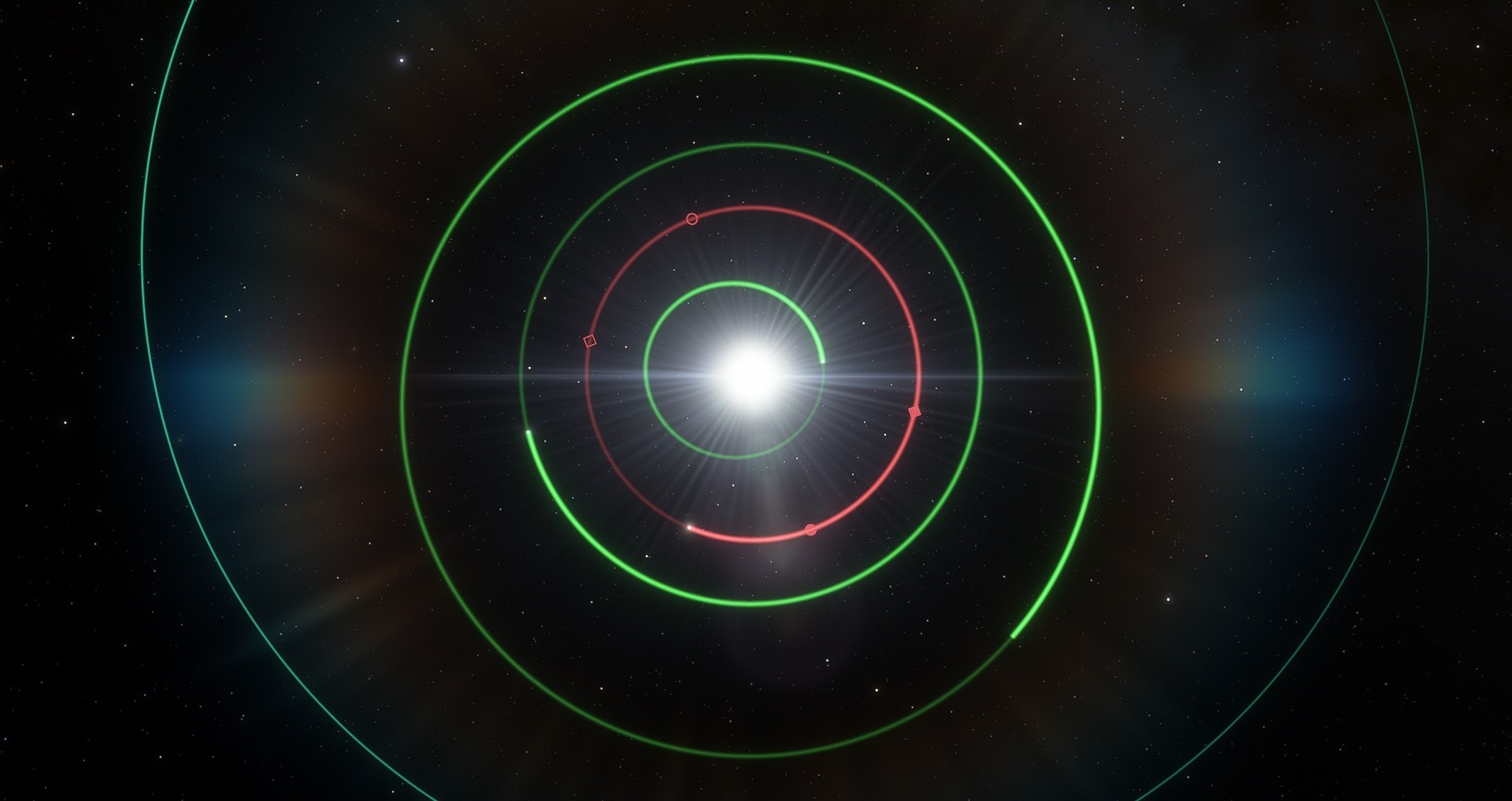
- Solar System, orbiting the Sun
- Venus rotates the opposite way to the other planets, which we call retrograde, opposite to the direciton of it's orbit.
- Venus is the hottest planet, and only the sun is hotter in our solar system.
- Venus is both the Evening Star and the Morning Star (Mercury can also be called this) as it sometimes appears just before the sun rises during the morning, or just as the sun sets in the evening.
- Just like our moon, Venus has phases over the time it orbits the sun.
- Because of the planet's extremely slow rotation, sunrise to sunset would take 117 Earth days, with the sun rising in the west and setting in the east because it rotates backwards.