Sunspots
- Type
- Star
- Diameter
- 865,373 miles
- Distance
- 92,955,807 miles (1 AU)
- Temperature
- 9,900 °F
- Core Temperature
- 28,259,000 °F
- Star Type
- G2V
- Date of Discovery
- Unknown
- Size of sunspots
- 10 to 100,000 miles
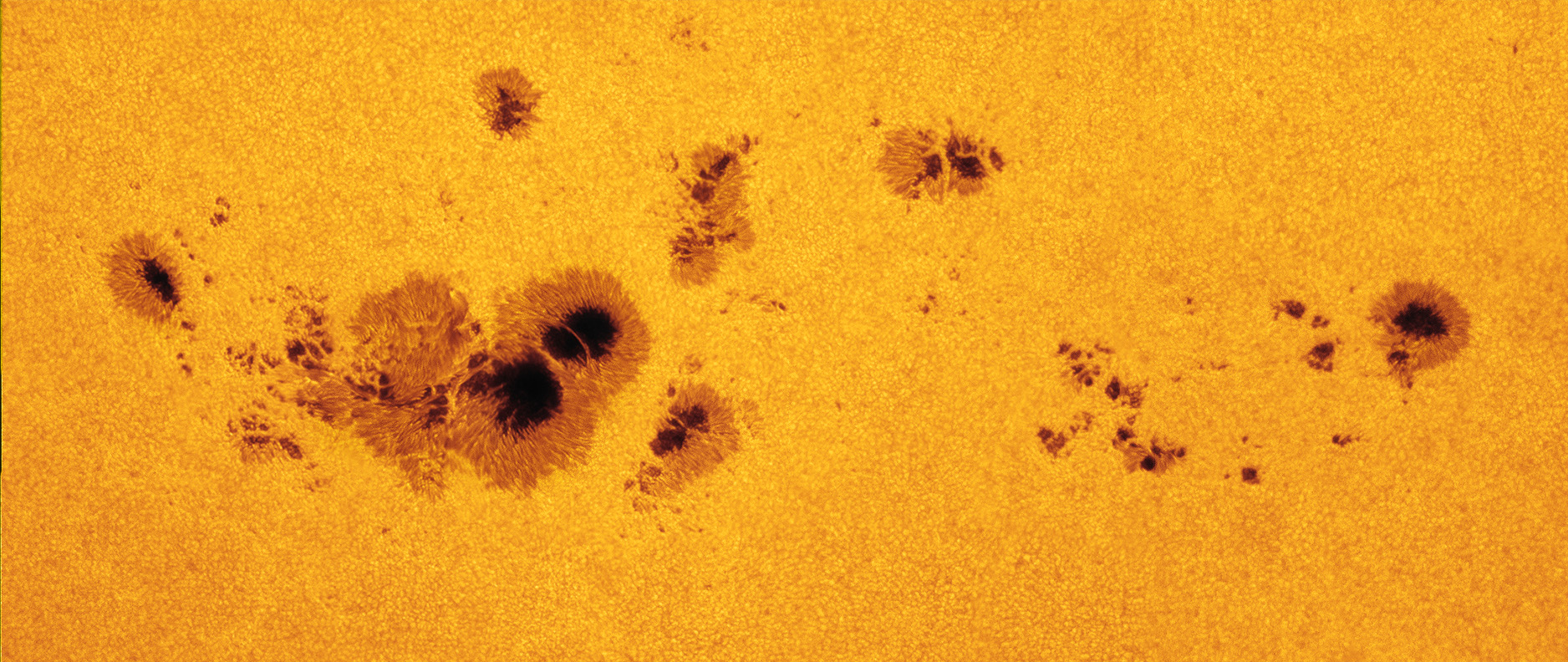
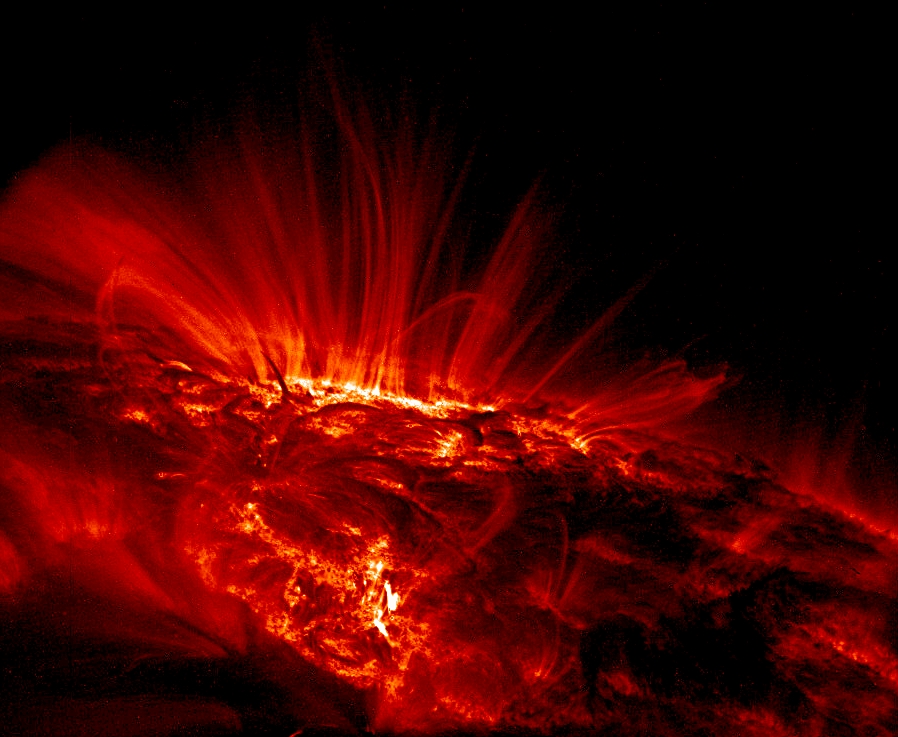
- First seen more than two thousand years ago, sunspots have been studied since the development of telescopes. They are small, cooler areas of the sun's surface, caused by changes in the magnetic field of the sun. They follow a cycle, where there are fewer or more sunspots depending where in the cycle the sun is.
- Identify when there are more sunspots. Can you identify a time when there were an especially large amount?

- Located in
- Milky Way
- The earliest record of sunspots is found in the Chinese I Ching, completed before 800 BC.
- The first drawings of sunspots were made by English monk John of Worcester in December 1128.
- Sunspots were first observed telescopically in December 1610 by English astronomer Thomas Harriot.
- Within sunspot groups, multiple umbrae may be surrounded by a single, continuous penumbra.
- Isolated from the surrounding photosphere, a single sunspot would shine brighter than the full moon, with a crimson-orange color.