Europa
- Type
- Moon (of Jupiter)
- Diameter
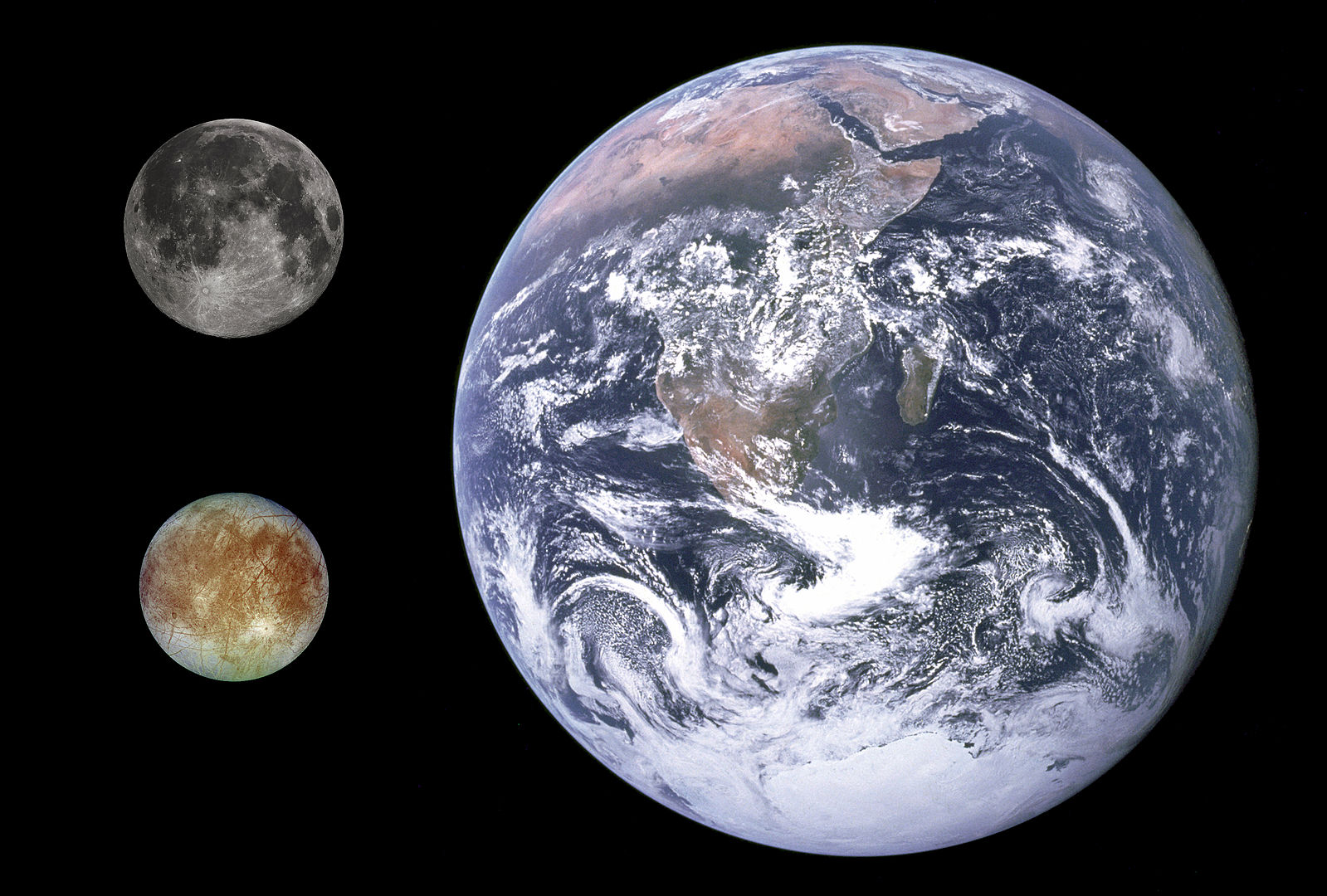
- 1,940 miles
- Distance from Jupiter
- 417,000 miles
- Orbit Time
- 3.551 Earth days
- Length of Day
- 3.551 Earth days
- Time around Sun
- 11.863 Earth years
- Atmosphere
- Thin, Oxygen
- Temperature
- -260 to -370 °F
- Date of Discovery
- Galileo Galilei, January 7, 1610
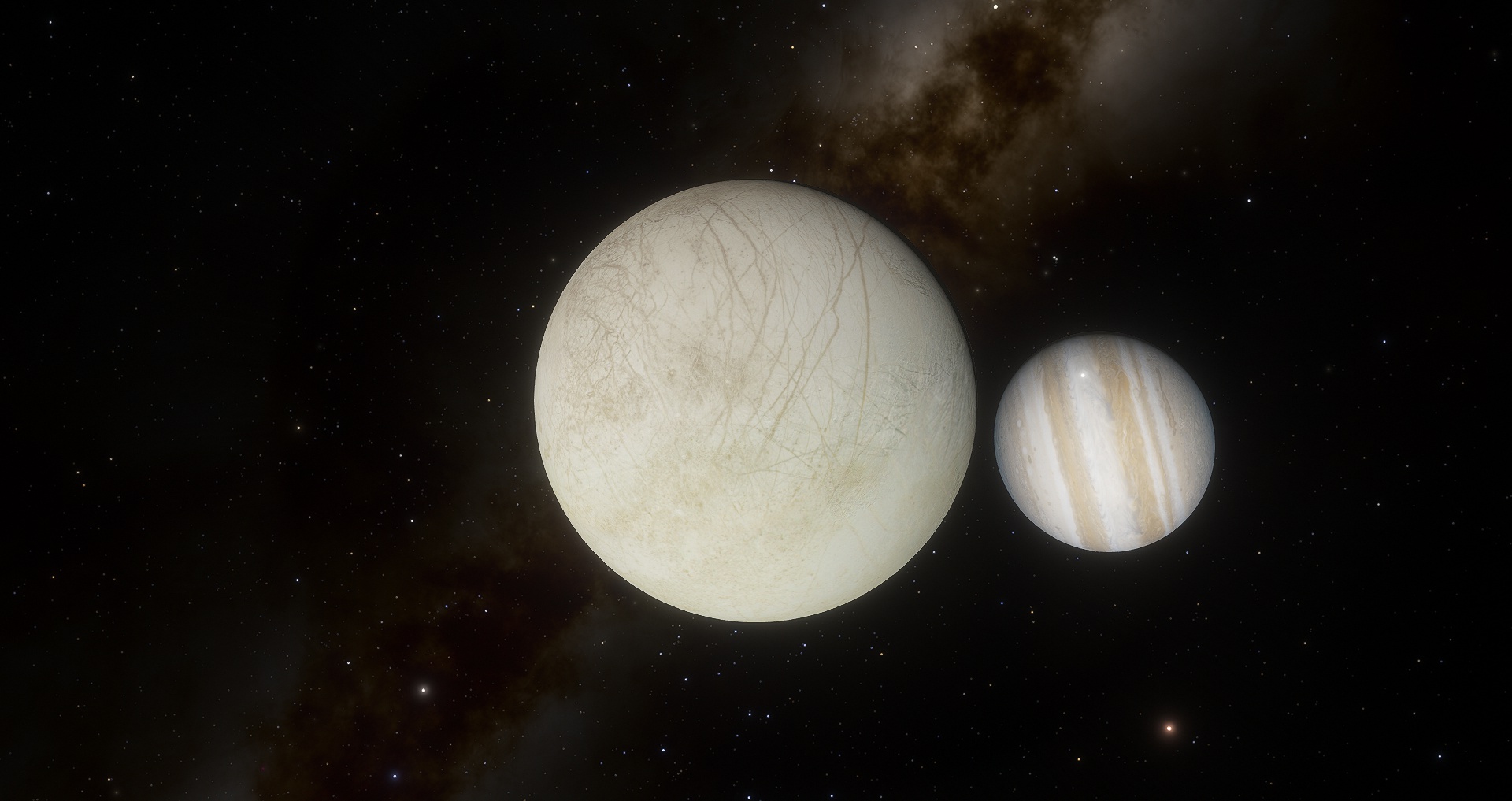
- Because the surface of Europa is smooth and relatively new, astronomers think there is an ocean below the surface of the icy surface which may be very active and contain minerals and elements. This could be more than 60 miles deep.
- The cracks on the surface of Europa could be a result of the flexing and bending of the surface because of Jupiter's strong gravity as the moon orbits it.
- Find the key differences between Europa and the other three Galilean moons of Jupiter.
- Located in
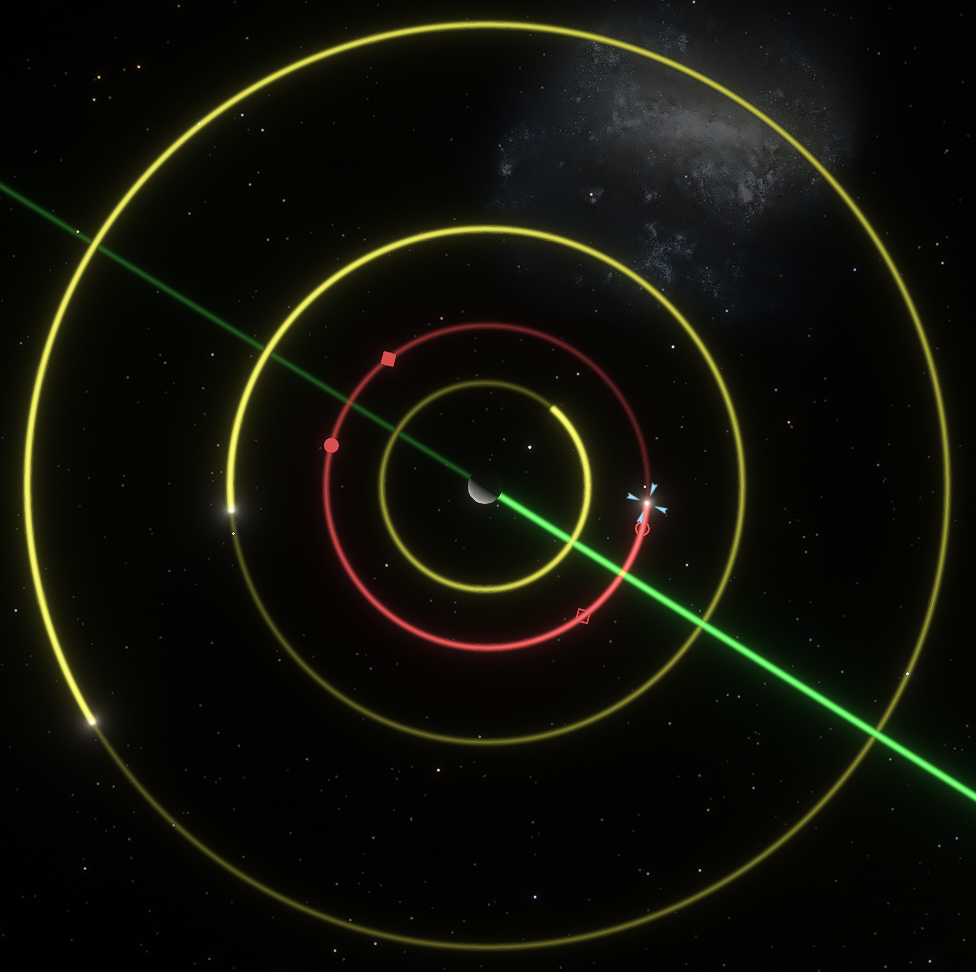
- Solar System, orbiting Jupiter
- Europa is the smallest of all of Jupiter's Galilean moons, but is the sixth largest moon in the Solar System.
- Europa's surface is covered in cracks and lines, but with very few crators visible on it. The lines are called lineae, meaning "lines" in English.
- Europa has the smoothest surface of any known solid object in the Solar System.
- The four largest moons of Jupiter - Ganymede, Io, Europa and Callisto - are called the Galilean moons after Galileo Galilei which were all discovered on January 7, 1610.